A new policy threatens local governance, as President Trump withdraws the National Guard, highlighting tensions between federal authority and state rights.
Story Snapshot
- President Trump withdraws National Guard from Los Angeles, Chicago, and Portland after a court ruling.
- The Supreme Court blocks further deployment, citing the need for “exceptional” circumstances.
- Governor Newsom criticizes the deployment as a costly political maneuver.
- The decision sparks debate on federal versus state control over National Guard troops.
Federal Authority Challenged by State Governments
In a dramatic turn of events, President Trump announced the withdrawal of National Guard troops from key cities like Los Angeles, Chicago, and Portland. This decision came after a series of legal challenges from Democratic governors and a decisive Supreme Court ruling limiting presidential authority in deploying troops domestically without state consent. These actions were initially justified by the Trump administration as necessary measures to curb rising crime rates and protect federal assets amid unrest over immigration enforcement.
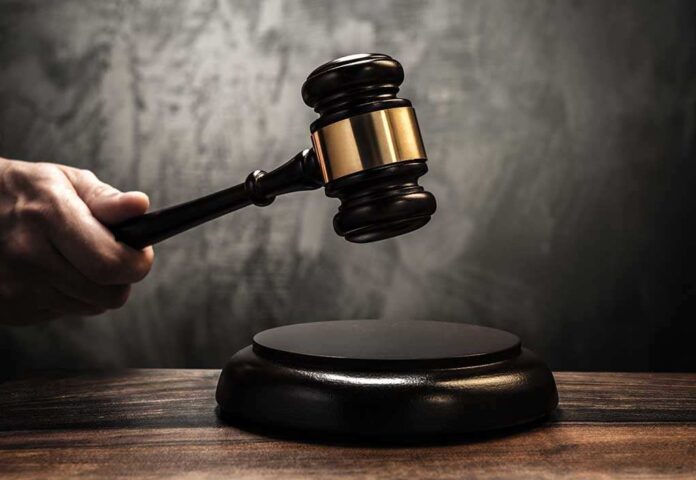
Governor Gavin Newsom of California had been a vocal critic of the deployment, labeling it a costly “political theater” that drained $120 million from state coffers. The court’s decision to block further deployments was hailed as a victory for state sovereignty and a check on federal overreach. The 9th Circuit Court played a crucial role in reaffirming state control by returning the California National Guard to Newsom’s jurisdiction. The political battle over this issue underscores the ongoing tension between federal authority and state rights.
Impact on Crime and Public Safety
Data from the Los Angeles Police Department indicated an 8% decrease in violent and property crime during the period of National Guard deployment. President Trump attributed this reduction to the presence of federal troops, arguing that their withdrawal could lead to a resurgence in crime levels. However, critics point out that the troops were stationed at federal buildings, not patrolling the streets, questioning the direct impact of their presence on overall crime rates.
The debate over the effectiveness of federal intervention in local law enforcement highlights broader concerns about the appropriate use of military forces in civilian settings. The Supreme Court’s ruling emphasized the importance of restricting presidential powers to only “exceptional” cases, thereby potentially chilling future federal interventions under similar circumstances.
Political and Social Ramifications
The withdrawal of the National Guard has significant political and social implications. It marks a notable shift in the balance of power, with states reclaiming their right to manage their own military resources. The decision has sparked partisan debates, with conservatives viewing it as a necessary security measure while Democrats see it as an overreach. This development could influence how future administrations handle domestic deployments and the ongoing discourse on civil liberties and state autonomy.
Trump Orders National Guard Withdrawal from Chicago, Los Angeles and Portland, Warns of Return if Crime Surges https://t.co/yfFwYuQvOj #gatewaypundit via @gatewaypundit
— Fearless45 (@Fearless45Trump) January 1, 2026
As the troops demobilize and return home, the immediate financial burden on states like California is alleviated, but the broader political ramifications continue to unfold. The incident could set a precedent for limiting presidential use of the National Guard, reinforcing the judiciary’s role in maintaining the constitutional balance of power between federal and state governments.
Sources:
Trump Administration Retreats in Newsom Lawsuit Over National Guard Deployment
Trump Abandons Efforts to Deploy National Guard to Chicago, Los Angeles, Portland