President Trump has proclaimed 2026 a “Year of Celebration and Rededication” for America’s 250th anniversary, calling on citizens to rededicate the nation “as one Nation under God”—a move that has energized conservatives while triggering fierce opposition from secularist groups attacking what they call a “Christian Nationalist agenda.”
Story Overview
- Trump signed a January 29, 2026 proclamation designating 2026 as a year for Americans to celebrate the semiquincentennial and rededicate the nation under God
- At the February 5 National Prayer Breakfast, Trump declared “religion is back” while questioning the faith of Democrat voters
- The White House has touted victories including church protections, antisemitism investigations, and parental rights legislation
- Leftist groups like Americans United for Separation of Church and State have launched lawsuits claiming Trump’s religious liberty initiatives violate constitutional boundaries
Trump’s Proclamation Restores Founding Principles
President Trump’s official proclamation ties 2026’s semiquincentennial celebration directly to America’s spiritual heritage. The declaration invokes the Declaration of Independence’s recognition that rights are “endowed by their Creator” and references George Washington’s 1776 invocation of divine protection. Trump’s proclamation calls on Americans to hold ceremonies in homes, churches, and communities throughout the year, marking a sharp departure from the secular approach favored during the Biden administration. This emphasis on faith reflects constitutional originalism that acknowledges God’s role in America’s founding documents.
National Prayer Breakfast Highlights Faith Restoration
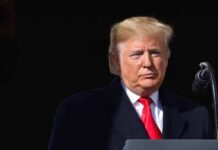
Trump delivered his sixth National Prayer Breakfast speech on February 5, 2026, at the Washington Hilton, attended by Attorney General Pam Bondi and House Speaker Mike Johnson. During his remarks, Trump boldly questioned whether Democrat voters possess genuine faith and suggested his actions merit divine favor. The White House has amplified this messaging through social media posts declaring “America is One Nation Under God,” highlighting administration achievements including arrests of church stormers, new school prayer guidance, and investigations into antisemitism on college campuses. These victories represent a reversal of what conservatives view as Biden-era hostility toward religious Americans.
Religious Liberty Agenda Faces Leftist Backlash
Americans United for Separation of Church and State, led by President Rachel Laser, has denounced Trump’s religious initiatives as a dangerous “Christian Nationalist agenda.” The organization has filed lawsuits challenging the administration’s positions on school prayer and religious expression, claiming constitutional violations. However, their arguments ignore the historical reality that America’s founders explicitly recognized divine authority in foundational documents. Trump supporters correctly note that protecting religious freedom differs fundamentally from establishing a state church—the actual constitutional prohibition. The administration’s “One Big Beautiful Bill” includes provisions for parental rights that safeguard families against government overreach into matters of faith and values.
Semiquincentennial Mobilizes Faith Communities
The 2026 proclamation invites Americans to participate in rededication activities throughout the year, potentially establishing precedents for faith-infused patriotic observances. Trump’s rhetoric at events like “America Prays” has energized evangelical supporters who felt marginalized under previous administrations. While critics warn of blurred church-state lines, conservatives recognize this as restoring the proper understanding that religious liberty means freedom of religion, not freedom from religion. The administration’s focus on protecting God-given rights addresses legitimate concerns about secular activists weaponizing government against people of faith. Long-term implications include strengthening protections for religious expression in public life and education.
Trump’s actions reflect common-sense recognition that America’s identity has always included acknowledgment of divine providence, from the Pledge of Allegiance’s “under God” phrase added in 1954 to combat atheistic communism, to countless historical references by presidents and founding fathers. The polarized reaction demonstrates the deep divide between Americans who embrace the nation’s spiritual heritage and those pushing radical secularism that would erase faith from public life entirely. As the semiquincentennial unfolds, Trump’s proclamation gives voice to millions of conservatives who refuse to abandon the foundational principle that American rights come from God, not government.
Sources:
Americans United for Separation of Church and State – National Prayer Breakfast Trump Speech
White House Touts Religious Victories Including Free Speech Wins, Fighting Antisemitism
Year of Celebration and Rededication – 2026 Presidential Proclamation