Shots rang out in the pre-dawn quiet outside the McAllen, Texas, Border Patrol office, and by the time the smoke cleared, a heavily armed gunman was dead—leaving a community and a country asking: What on earth is going on at our borders, and how long until our government finally gets serious about protecting its own?
At a Glance
- Armed attacker ambushed federal agents outside a key South Texas Border Patrol annex on July 7, 2025, before being fatally shot by law enforcement.
- One McAllen police officer was wounded in the shootout, and the motive for the attack remains unknown as federal authorities continue to investigate.
- The incident brought air travel and local business to a standstill, highlighting the ongoing anxiety and security concerns plaguing the border region.
- Discovery of multiple weapons and cryptic graffiti in the shooter’s vehicle raises fresh questions about security protocols and the ever-growing threats facing law enforcement.
Border Security Under Fire—Again
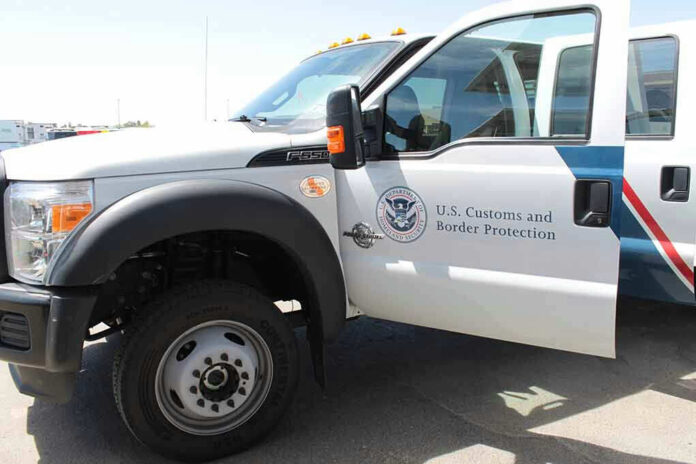
Just after sunrise on July 7, 2025, the McAllen Border Patrol annex became the latest backdrop for violence that should have every American fuming over the state of our supposed “secure” border. Ryan Louis Mosqueda, a 27-year-old from Michigan of all places, rolled up armed to the teeth, with an assault rifle and enough ammo to start his own war. He opened fire on the federal building—“many, many rounds,” according to witnesses—but was swiftly neutralized by a coordinated response from Border Patrol agents and local police. This was not some random act of vandalism or a petty criminal looking to make a buck. This was a deliberate attack on the men and women tasked with holding the line for American sovereignty. And yet, as predictable as sunrise, politicians will trot out the same tired lines about “isolated incidents” and “ongoing investigations.”
The airport next door went into immediate lockdown. Flights were delayed, travelers stranded, businesses disrupted—all because one man, in one morning, decided he could wage war on the people standing between chaos and order. If that doesn’t make you question the wisdom of our current border policies, you aren’t paying attention. The suspect never made it inside the building thanks to quick action by law enforcement, but the damage to community confidence is done. If this is what happens with “beefed up security,” imagine what would happen if the border was left even more porous and unguarded.
The Aftermath: Law Enforcement, Community, and the Ever-Elusive Motive
Officer Ismael Garcia of the McAllen Police Department was shot in the knee while defending the facility—a stark reminder that attacks on law enforcement aren’t just stories for the evening news; they’re real, dangerous, and becoming more common. Two other officers and a Border Patrol employee suffered minor injuries. As of now, the shooter’s motive is a mystery. His vehicle, found riddled with bullet holes, was packed with more weapons and a spray-painted message, the meaning of which authorities have yet to decipher. The FBI is leading the investigation, but officials are so far unwilling or unable to link Mosqueda to any broader group or ideology. The only thing clear is that he acted with intent and preparation, and could have inflicted much greater harm if not for the readiness of those on the front lines.
While the airport and surrounding businesses are picking up the pieces, the community is left stewing in the anxiety and uncertainty that follow every such incident—wondering if their government is truly equipped or even willing to put their safety first. You have to ask: if a federal facility in a major border city can be attacked so brazenly, what’s stopping the next would-be killer from trying again? And why does the government always seem to play catch-up instead of prevention?
Policy, Funding, and the Blame Game
This attack drops right in the middle of a political tug-of-war over border security and law enforcement funding. Congress is busy debating billions of dollars for state-run border programs, while the administration crows about “historic” security measures and a “new normal” on the southern border. Yet, here we are: federal employees under attack, airports locked down, and the public left with more questions than answers. Federal funds are being shoveled to Texas and other states for border operations, but even as billions are spent on “Operation Lone Star” and similar programs, the threats persist. Maybe it’s time for Washington to stop patting itself on the back and start treating these attacks as the national emergencies they are.
The current administration boasts about new executive orders to “secure the borders,” but if the McAllen shooting proves anything, it’s that words and paperwork don’t stop bullets. The fact remains that the men and women risking their lives at the border are still too often the last line of defense—outgunned, outnumbered, and, in too many cases, undersupported. And as the politicians bicker and bureaucrats shuffle papers, law enforcement and everyday Americans are left to deal with the fallout.