Israel’s airstrikes on Yemen’s Houthi rebels have lit the fuse on yet another Middle Eastern powder keg, raising the question—how many fronts can one nation fight without the world’s so-called “leaders” waking up to their own reckless entanglements?
At a Glance
- Israel bombed key Houthi targets in Yemen, including ports and infrastructure, after a Houthi drone boat attack on a merchant vessel in the Red Sea.
- The Houthis retaliated by launching missiles at Israel, threatening to drag the region into wider chaos.
- This marks Israel’s most direct military action in Yemen, a move that risks inflaming regional alliances and Iran’s involvement.
- Shipping through the Red Sea—a vital artery for global trade—is now on even shakier ground.
- The U.S., U.K., Saudi Arabia, and Iran all have skin in this proxy war, each pushing their own agenda while civilians and taxpayers foot the bill.
Israel Drops the Hammer: From Covert to Out in the Open
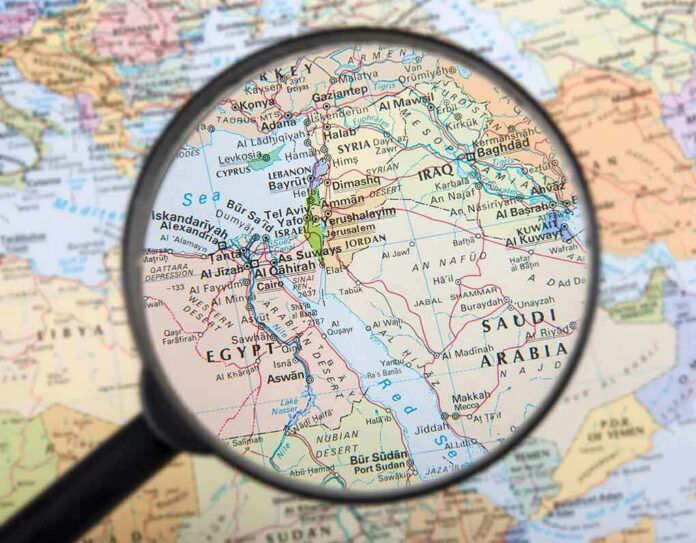
Israel has officially traded subtlety for shock and awe, launching airstrikes against the Houthi rebels in Yemen after one of their drone boats set a merchant ship ablaze in the Red Sea. This is not some surgical strike that the world’s “diplomatic community” can quietly handwave away—it’s a full-throttle escalation. The Houthis, emboldened by Iranian backing and a region hooked on chaos, responded by firing missiles at Israel, making it clear that the gloves are off. The Red Sea, which carries about 12% of global trade, is quickly becoming a no-go zone. Insurance premiums for shipping are skyrocketing, and the cost of this idiocy will show up in the checkout lane, as always.
Israel’s airstrikes followed a series of Houthi attacks that have targeted over 100 merchant vessels since late 2023, sinking two and putting global commerce at risk. The so-called “international community”—meaning the same bureaucrats who never miss a chance to lecture Americans about “restraint”—has done nothing but shuffle papers and issue sternly worded tweets. Meanwhile, the U.S. and U.K. have launched their own air campaigns against Houthi infrastructure, but their strikes have barely dented the Houthis’ capabilities. Now, with Israel’s direct involvement, the possibility of broader conflict is not just on the table; it’s set for the main course.
The Players: Who’s Pulling the Strings, Who’s Paying the Price
The Houthis are not some ragtag band of freedom fighters—they are a well-armed, well-financed proxy for Iran, whose regime delights in poking Israel and the West in the eye. While Iran bankrolls the chaos, Saudi Arabia and the UAE throw their own weight (and cash) behind Yemen’s embattled government. The U.S. and U.K. claim to defend “global order” but seem more interested in photo ops and virtue signaling. Meanwhile, Israel, led by Prime Minister Netanyahu, has decided that enough is enough. The result? The world’s shipping lanes are hostage to a regional brawl, and the cost of everything from gasoline to groceries is about to reflect that reality.
Israel’s decision-makers are no strangers to existential threats. With the Houthis lobbing missiles and drones toward Israeli cities under the banner of “solidarity with Palestinians,” the line between support and open warfare is gone. Iran’s Revolutionary Guard Corps, meanwhile, provides the playbook and the hardware, while the U.S. and U.K. posture about “protecting international law” even as their own citizens bear the brunt of inflation and endless military spending. And let’s not forget: every dollar spent policing these waters is a dollar not spent on securing America’s own border—a border currently being overrun thanks to years of neglect and leftist policies that put foreign interests first.
Blowback: What This Means for the U.S. and the Average Citizen
Short-term, shipping companies will jack up prices or reroute around Africa, adding weeks to deliveries and pain to your wallet. Long-term, we’re staring down the barrel of wider war: more spending, more entanglement, and more American taxpayer dollars funneled into a black hole of Middle Eastern dysfunction. The Biden administration’s approach to global crises—write a check, hold a press conference, and pretend the border isn’t wide open—has made everything worse. Now, the Trump administration’s return and its focus on securing America’s own border is a stark contrast to the endless foreign interventions and blank checks for chaos overseas.
Yemen’s civilians, already battered by years of conflict and famine, will pay the heaviest price. But don’t expect the U.N. or the international left to shed a tear—they’re too busy drafting resolutions that nobody enforces. Meanwhile, the defense industry is lining up for its next windfall, selling missile defense systems and surveillance tech hand over fist. For ordinary Americans, the message is clear: buckle up for higher costs, more instability, and the familiar sting of seeing your hard-earned dollars squandered on another endless foreign adventure, all while our own borders—and values—are neglected at home.
Sources:
Israel launches airstrikes on Yemen’s Houthi rebels – Arab News
Israel bombs Yemen’s Houthi rebels after Red Sea ship attack – AP News