
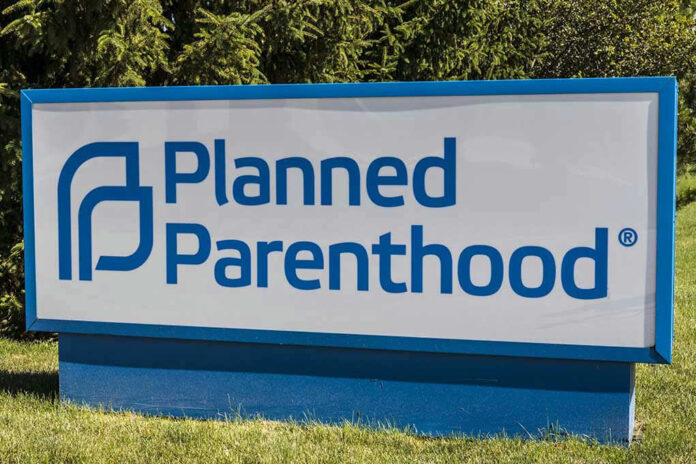
Federal courts have cleared the Trump administration to cut off Medicaid funding for Planned Parenthood, delivering a decisive victory for conservatives and sparking fierce debate over taxpayer dollars and abortion policy.
Story Snapshot
- The First Circuit Court of Appeals allowed a Trump-era provision to suspend Medicaid funding for Planned Parenthood for one year.
- This ruling reverses a lower court injunction and fulfills a key promise of President Trump’s legislative agenda.
- Planned Parenthood and allied state officials are actively challenging the provision in ongoing lawsuits.
- The decision intensifies the post-Dobbs battle over federal and state authority in abortion policy.
Court Endorses Temporary Defunding of Planned Parenthood
On September 11, 2025, the U.S. Court of Appeals for the First Circuit issued a stay that permits implementation of a provision in the One Big Beautiful Bill Act, effectively eliminating Medicaid funding for Planned Parenthood and its affiliates for one year. This action reverses earlier injunctions by lower courts and signals a major win for President Trump’s conservative priorities. The provision targets providers performing abortions, with Planned Parenthood, the nation’s largest abortion provider, singled out for funding cuts. The decision sets a precedent by leveraging executive power to influence reproductive health spending and restrict taxpayer support for abortion-linked organizations.
The ruling’s immediate effect is the withdrawal of Medicaid support in affected states, impacting both abortion services and broader reproductive health offerings. Legal opposition is robust, with Planned Parenthood, 22 state attorneys general, and the Pennsylvania governor mounting challenges in federal courts. Advocacy groups remain sharply divided: pro-life organizations hail the move as a fiscal and moral victory, while pro-choice groups warn of dire consequences for healthcare access. The outcome underscores how federal and state powers over abortion are being actively redefined in the wake of the Supreme Court’s Dobbs decision.
Historical Context: Federal Funding and Abortion Policy
Federal law has restricted Medicaid funding for abortion since the Hyde Amendment of 1976, permitting exceptions only in rare cases. Despite these limits, Planned Parenthood has long been a target for conservative lawmakers seeking to cut broader federal support, citing its central role in abortion services. The One Big Beautiful Bill Act exemplifies renewed efforts to restrict funding at the federal level, advancing a legislative agenda that resonates with conservative voters who oppose government involvement in controversial social policies. Previous attempts to defund Planned Parenthood have sparked extensive litigation and mixed outcomes, reflecting the contentious nature of abortion policy in America.
The current battle is shaped by the fallout from the Dobbs decision, which overturned Roe v. Wade and returned abortion policy decisions to the states. This legal shift has intensified federal-state conflicts, with courts now serving as key arenas for disputes over reproductive rights and healthcare funding. As litigation continues, the broader context involves not just abortion policy, but the fundamental question of executive authority and the appropriate use of taxpayer funds.
Stakeholder Reactions and Ongoing Litigation
President Trump and pro-life advocates, such as Susan B. Anthony Pro-Life America, have praised the court’s decision as a triumph for taxpayers and a reaffirmation of conservative legislative intent. Marjorie Dannenfelser, a prominent pro-life leader, described the ruling as a victory that protects Americans from subsidizing abortion providers. In stark contrast, Planned Parenthood and the National Abortion Federation condemned the decision, warning that it undermines access to essential health services for millions of low-income and marginalized patients.
Legal challenges remain active, with courts continuing to evaluate the provision’s compliance with federal law and constitutional protections. The ongoing litigation is expected to shape the future landscape of reproductive health policy, potentially influencing other states or federal agencies to pursue similar defunding measures. Advocacy groups on both sides are mobilizing supporters, reflecting deep polarization and heightened activism around the issue.
Biden appeals court torpedoes Obama judge's injunction, clears Trump administration to cut off Planned Parenthood https://t.co/AOCAmkyfhA pic.twitter.com/QiMJmjiUx6
— TheBlaze (@theblaze) September 12, 2025
The withdrawal of Medicaid funding for Planned Parenthood is already having a tangible impact. Patients seeking cancer screenings, contraception, and other non-abortion services face new barriers, while other healthcare providers may be deterred from offering abortion services due to funding risks. Economic effects include reduced support for reproductive health infrastructure and the potential for increased costs to state health systems as patients seek alternative care. Politically, the decision reinforces abortion as a central issue for upcoming elections and sets the stage for future executive actions on healthcare funding.
Broader Implications and Expert Analysis
This case highlights the evolving post-Dobbs legal landscape, with federal and state authorities actively contesting the limits of power over abortion policy. Legal scholars emphasize the importance of this ruling in testing the boundaries of executive authority, while health policy experts warn that reduced funding could exacerbate health disparities. Pro-life supporters argue that the decision upholds fiscal responsibility and respects the will of taxpayers, whereas pro-choice advocates view it as a dangerous precedent threatening healthcare access nationwide.
The First Circuit’s ruling is unlikely to be the final word. As litigation proceeds, future judicial and legislative actions may further reshape the balance of power between federal, state, and local governments in reproductive health policy. For conservatives, the decision represents a hard-fought victory against perceived government overreach and progressive agendas, but it also signals ongoing challenges as advocacy groups and courts continue to battle over the direction of American healthcare policy.
Sources:
Appeals court allows Planned Parenthood defunding to proceed for now
Court allows Trump administration to end Planned Parenthood’s Medicaid funding
Litigation involving reproductive health and rights in the federal courts
National Abortion Federation statement on court ruling to defund Planned Parenthood
The First Circuit Court allows defund Planned Parenthood provision to take effect