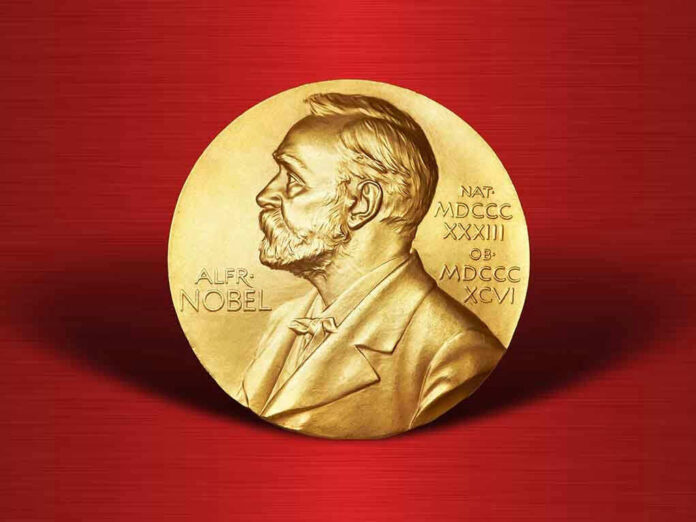
Seven nations have nominated President Trump for the 2025 Nobel Peace Prize, igniting fierce debate over the integrity of international awards and the legacy of America’s most scrutinized leader.
Story Highlights
- Seven countries publicly nominated Trump for the Nobel Peace Prize, citing his direct role in brokering peace in multiple conflict zones.
- The unprecedented, coordinated nominations have brought global attention to Trump’s diplomatic achievements and sparked controversy about the Nobel’s political neutrality.
- The Nobel Committee’s secretive process has intensified speculation and media scrutiny, with the winner set to be announced in October.
- The debate raises questions about the durability of Trump-brokered peace deals and the true motives behind such endorsements.
Unprecedented Multi-Nation Endorsement for Trump’s Nobel Nomination
In a dramatic shift that challenges years of globalist skepticism, seven nations—Armenia, Azerbaijan, Cambodia, Gabon, Israel, Pakistan, and Rwanda—have openly nominated President Donald Trump for the 2025 Nobel Peace Prize. These leaders credit Trump with directly brokering peace agreements and ceasefires in some of the world’s most volatile regions, including the Nagorno-Karabakh dispute, the Cambodia-Thailand border crisis, and hostilities between Rwanda and the Democratic Republic of the Congo. The coordinated nature of these nominations is rare, signaling a major moment for American foreign policy and for those who believe in strong, common-sense diplomacy over bureaucratic gridlock.
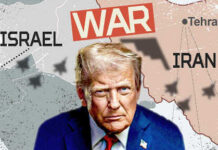
The nominations were made public between July and August 2025, with Israeli Prime Minister Benjamin Netanyahu leading the charge just after new tensions with Iran. Armenian and Azerbaijani leaders praised Trump’s mediation in their decades-long conflict, while officials from Cambodia and Thailand acknowledged his role in reducing violence along their contested border. Rwandan and Gabonese leaders credited Trump for ending hostilities in Central Africa, emphasizing his ability to bring adversaries to the table where others had failed. Such direct recognition from diverse governments stands in stark contrast to the opaque, often politicized endorsement processes of years past.
Controversy and Media Scrutiny Surround Nobel Peace Prize Process
The Nobel Peace Prize’s nomination system operates under strict secrecy. The Norwegian Nobel Committee never confirms nominees, leaving the public to rely on announcements from those making the nominations. This has fueled intense debate, with some media and international observers questioning the legitimacy and motivations behind the wave of support for Trump. Critics argue that the Nobel Prize risks becoming a tool for geopolitical maneuvering, rather than a recognition of tangible peacebuilding. Previous laureates, such as Barack Obama and Abiy Ahmed, faced similar scrutiny, making Trump’s case a lightning rod for broader questions about the award’s true purpose and political vulnerability.
Despite the swirling controversy, the Nobel Committee is reviewing 338 nominations for the 2025 prize, with the announcement scheduled for October 10. Trump’s nomination has dominated coverage, as supporters hail his “peace through strength” approach, while skeptics warn that lasting peace demands more than high-profile summits or signed agreements. Academic experts note that publicized nominations often reflect political interests rather than substantive breakthroughs, yet many concede that Trump’s interventions have at least temporarily reduced hostilities in several regions.
Diplomatic Impact and Long-Term Implications for American Leadership
The immediate effect of these nominations is renewed focus on America’s role as a global peacemaker, a stark reversal after years of leftist policies that critics say undermined U.S. influence and security. For conservative Americans frustrated by previous administrations’ embrace of globalism, overspending, and “woke” agendas, Trump’s diplomatic record is seen as a victory for traditional values and constitutional principles. Nominating countries stand to gain diplomatic leverage, while populations in affected regions may benefit from improved security and economic prospects. However, the long-term impact remains uncertain: can Trump’s negotiated deals withstand the test of time, or will the Nobel’s reputation suffer if political considerations eclipse genuine achievement?
As the October announcement approaches, the world watches not only for the outcome, but for what it will say about the standards of international recognition and the durability of American-led peace. For many in Trump’s base, these nominations validate a commitment to strong leadership and remind voters of what’s possible when American interests are put first. But the debate itself is a signal: the fight for the soul of global diplomacy is far from over, and the Nobel Peace Prize may never be the same.
Sources:
What Trump’s Nobel Nominations Say About the Peace Prize – The Hilltop Online
Donald Trump’s Obsession with the Nobel Peace Prize – Le Monde
Nomination and Selection of Peace Prize Laureates – Nobel Prize Official Site
Nominations for the Nobel Peace Prize 2025 – Nobel Peace Prize Official Press Release
2025 Nobel Peace Prize – Wikipedia