
Supreme Court vacates appeals court ruling, paving the way for the Trump DOJ to erase Steve Bannon’s contempt conviction—a striking reversal that exposes flaws in politicized prosecutions from the prior administration.
Story Highlights
- Supreme Court grants DOJ request, vacating D.C. Circuit’s affirmation of Bannon’s 2022 contempt conviction for defying January 6 Committee subpoena.
- DOJ, under Trump administration, moved to dismiss case with prejudice “in the interests of justice” after Bannon served full four-month sentence.
- Ruling clears path for district court to permanently close case, wiping conviction from Bannon’s record.
- Highlights shift in DOJ stance post-Trump’s 2025 return, contrasting aggressive pursuit under Biden.
- Sets precedent for post-sentence dismissals under Rule 48(a), questioning selective enforcement of congressional subpoenas.
DOJ Shifts Course Under Trump Administration
The U.S. Department of Justice filed a Rule 48(a) motion on Monday to dismiss with prejudice Steve Bannon’s criminal contempt case. Signed by U.S. Attorney Janine Piro, the filing invokes prosecutorial discretion in the “interests of justice.” Bannon, a key Trump ally, faced conviction in 2022 for refusing a subpoena from the now-defunct House January 6 Committee. He cited executive privilege advised by former President Trump. This move follows Bannon’s completion of a four-month prison term and $6,500 fine in 2024. The action marks a clear departure from the Biden-era DOJ’s push to enforce the sentence.
Supreme Court Clears Path for Dismissal
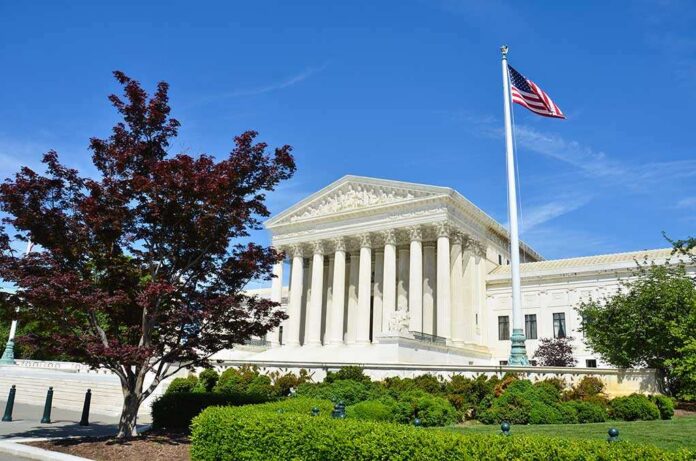
The Supreme Court responded by granting certiorari, vacating the D.C. Circuit’s May 10, 2024, affirmation of Bannon’s conviction, and remanding to the district court for dismissal. Justices prodded by the Trump administration threw out the appellate ruling that upheld Bannon’s defiance of the subpoena tied to January 6 investigations. This order mirrors precedents like Full Play Group, S.A. v. United States, where the Court allowed similar post-conviction Rule 48(a) dismissals. Bannon’s appeal, docketed as No. 25-453, now heads back for closure. The ruling underscores judicial deference to executive prosecutorial choices.
D.C. Circuit Judge Katsas critiqued the “willfulness” standard in a 2025 rehearing denial, noting potential flaws in the conviction’s foundation. Bannon argued good-faith reliance on executive privilege and questioned the committee’s legitimacy. These defenses persisted through appeals despite initial rejection. The Supreme Court’s intervention post-sentence service highlights evolving legal scrutiny of rare contempt enforcements.
Background of the Contempt Prosecution
Prosecutors indicted Bannon in 2021 under 2 U.S.C. § 192 for willful default on the committee’s September subpoena demanding documents and testimony. A jury convicted him on two counts in 2022, leading to sentencing on October 21. The term stayed pending appeal until the Supreme Court denied release on June 28, 2024, prompting his incarceration starting July 1. The D.C. Circuit affirmed on May 10, 2024, and denied rehearing en banc on May 27, 2025. Chief Justice extended filing deadlines on August 7, 2025, enabling the recent DOJ pivot.
This case arose amid polarized probes into January 6 events, where Bannon refused compliance claiming privilege protection. Contempt charges remain uncommon, with historical enforcement varying. The Trump DOJ’s 2026 reversal reflects priorities aligned with America First principles, prioritizing limited government over endless congressional overreach.
Implications for Justice and Precedent
Short-term, dismissal erases Bannon’s federal record, ending his appeal and providing vindication after full compliance. Long-term, it establishes precedent for post-sentence Rule 48(a) motions in contempt cases, potentially weakening subpoenas as tools against executive advisors. Politically, it bolsters claims of selective prosecution against Trump allies during Democrat-led investigations. Both conservatives frustrated by weaponized agencies and liberals wary of elite overreach see echoes of deep state failures.
Socially, the outcome questions congressional power versus executive privilege in divided government. Economically neutral, it reinforces rule of law concerns where DOJ discretion overrides prior zeal. Bannon’s separate New York plea on border wall fraud remains untouched. This development signals Trump’s second-term resolve to correct perceived injustices, restoring fairness in federal prosecutions.
Sources:
Levin Center: Bannon Contempt of Congress Indictment Timeline
Supreme Court Docket: DOJ Response in Bannon v. United States (25-453)