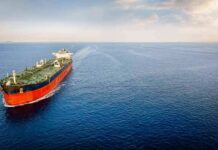
A dangerous game of naval chess in the Strait of Hormuz reveals a critical omission in mainstream coverage: Iran’s retaliation against commercial vessels came only after US forces seized an Iranian cargo ship, escalating tensions that threaten global oil supplies and expose the fragility of peace negotiations.
Story Snapshot
- US Navy seized Iranian-flagged ship Touska on April 19 during blockade enforcement, firing on the vessel after six hours of warnings before Marines boarded
- Iran retaliated by seizing two commercial ships (MSC Francesca and Epaminondas) and disabling a third in the Strait of Hormuz, accusing them of unauthorized operations
- The tit-for-tat escalation threatens the world’s most critical oil chokepoint, through which 20% of global oil transits, potentially spiking energy prices
- Iran launched drone strikes against US vessels and withdrew from peace talks in Pakistan, collapsing diplomatic efforts as Trump’s extended ceasefire expires
US Seizure Sparks Iranian Retaliation
The USS Spruance intercepted the Iranian-flagged cargo ship Touska in the north Arabian Sea on April 19 as it attempted to reach Bandar Abbas. After six hours of warnings, US forces disabled the vessel’s engine with gunfire before Marines from the 31st Marine Expeditionary Unit boarded and seized it under blockade enforcement orders. President Trump confirmed US forces gave “fair warning” before taking action. This marked the first forceful enforcement of the naval blockade imposed on Iranian ports, setting off a rapid escalation that Iranian state media condemned as “armed piracy.”
Iranian Forces Target Commercial Shipping
Hours after the Touska seizure, Iran’s Revolutionary Guard Corps Navy fired on three vessels in the Strait of Hormuz. The IRGC seized the MSC Francesca and Epaminondas, claiming they operated without authorization and manipulated navigation systems. A third ship was disabled off Iran’s coast, with one vessel’s bridge severely damaged by gunfire. Critically, no crew members were injured in the operations, suggesting Iran calibrated its response to demonstrate capability without triggering full-scale conflict. The seized ships were transferred to Iranian custody, while the disabled vessel’s status remains uncertain.
Strategic Chokepoint Under Threat
The Strait of Hormuz represents one of the world’s most vital energy arteries, with 20% of global oil supplies passing through its narrow waters. The escalating naval confrontations threaten to disrupt shipping, spike insurance costs, and drive energy prices higher—impacts that would ripple through the global economy. This isn’t the first time Iran has used asymmetric tactics in these waters; the IRGC has employed fast boats and targeted seizures since the 1980s Iran-Iraq Tanker War. A retired US colonel characterized Iran’s actions as a “definite escalation” under rules of war, noting that while seizures for security threats are permissible, they risk miscalculation that could trigger broader conflict.
Iran’s retaliatory drone strikes against multiple US vessels demonstrate the regime’s willingness to escalate beyond ship seizures. Iranian state media announced these attacks while condemning US actions, and Tehran withdrew its ambassador from peace talks in Islamabad, refusing a second negotiating round. Trump had extended an initial two-week ceasefire indefinitely and threatened strikes on Iranian infrastructure if nuclear negotiations failed. The collapse of diplomatic channels leaves both sides postured for further confrontation, with IRGC gunboats active and US naval forces maintaining blockade operations. Analysts note Iran appears to be exploiting gaps in the fragile ceasefire, taking “as much advantage” as possible before potential wider conflict.
Iran Claims It Fired on and Seized Ships – but There's More to the Storyhttps://t.co/FP10jOEQrH
— RedState (@RedState) April 22, 2026
The maritime sector now faces heightened operational risks in the region, with shipping firms recalculating routes and costs. For ordinary Americans already frustrated by government dysfunction and elite decision-making that seems disconnected from consequences, this escalation highlights a disturbing pattern: entangling military commitments that threaten to spike energy costs at home while diplomatic solutions collapse. The situation exposes how quickly regional tensions can spiral when communication breaks down, leaving citizens on both sides to bear the economic burden of decisions made in distant capitals and command centers.
Sources:
Video: US Navy Fires On, Seizes Iranian-Flagged Ship In Hormuz
Iran strikes US vessels in retaliation for cargo ship’s seizure: Report
US Forces Disable Vessel Attempting to Enter Iranian Port, Violate Blockade