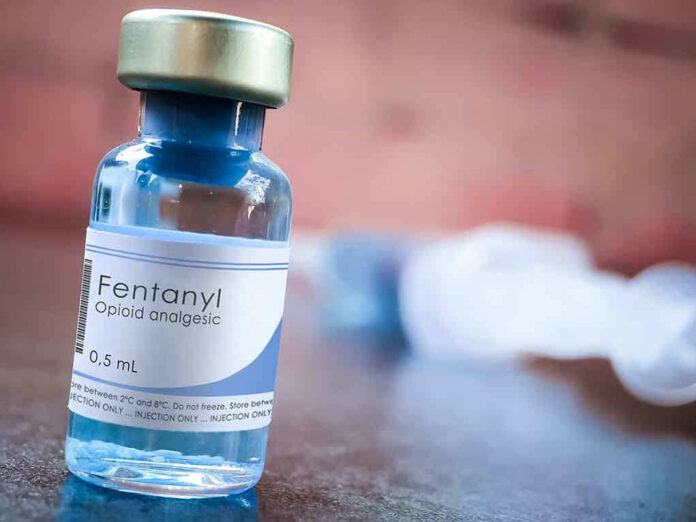
Criminal cartels operating industrial-scale fentanyl factories behind high-security walls continue flooding American communities with deadly synthetic opioids, despite President Trump’s renewed crackdown on international drug trafficking networks.
Story Snapshot
- Clandestine factories in China and Mexico produce fentanyl on industrial scale with armed security and advanced surveillance systems
- Transnational criminal organizations exploit weak regulatory oversight to manufacture synthetic opioids 50-100 times stronger than morphine
- DEA and border enforcement agencies face mounting challenges tracking precursor chemicals and dismantling international supply chains
- Trump administration intensifies diplomatic pressure on China and Mexico to shut down production facilities and regulate chemical exports
Industrial Death Factories Operating Under Armed Protection
High-security fentanyl production facilities operate like fortress compounds, employing armed guards, sophisticated surveillance networks, and restricted access protocols to protect their deadly operations. These clandestine factories represent a dramatic evolution from traditional drug manufacturing, utilizing advanced chemical synthesis methods to produce synthetic opioids without requiring agricultural inputs like poppy fields. The industrial scale of production has transformed drug trafficking from plant-based operations to sophisticated chemical manufacturing enterprises that can rapidly adapt locations and methods to evade law enforcement detection.
China and Mexico Enable Criminal Supply Chains
Mexican cartels and Chinese chemical suppliers form the backbone of global fentanyl production, with factories strategically located in regions lacking robust regulatory oversight. Chinese companies provide precursor chemicals through legal loopholes in international trade agreements, while Mexican facilities handle final assembly and distribution networks. This partnership exploits jurisdictional barriers that hamper American law enforcement efforts, creating diplomatic challenges for the Trump administration as it seeks to hold foreign nations accountable for enabling the opioid crisis devastating American families and communities.
Trump Administration Escalates International Pressure
The Trump administration has intensified diplomatic negotiations and sanctions targeting Chinese chemical exporters and Mexican production facilities throughout 2024. Recent law enforcement raids in Sinaloa, Mexico, and increased border seizures of precursor chemicals demonstrate renewed commitment to disrupting these deadly supply chains. However, factories continue adapting their operations and relocating to evade detection, highlighting the persistent challenge of combating synthetic drug manufacturing. American taxpayers bear enormous costs for healthcare, emergency services, and law enforcement responses while foreign criminal organizations profit from this chemical warfare against our communities.
Law enforcement officials stress the unprecedented difficulty of tracking synthetic drug supply chains compared to traditional narcotics interdiction efforts. Unlike plant-based drugs requiring specific geographic conditions and seasonal growing cycles, synthetic opioid production can occur anywhere with basic chemical equipment and precursor access. This flexibility allows criminal organizations to rapidly shift production locations and methods, making sustained enforcement extremely challenging despite increased international cooperation and intelligence sharing between American agencies and foreign counterparts.
Constitutional Concerns Over Federal Response Authority
The fentanyl crisis raises critical questions about federal authority limits and constitutional approaches to combating international drug trafficking networks. While Americans demand decisive action against foreign-manufactured poisons flooding our communities, constitutional conservatives recognize the importance of limited government principles and proper jurisdictional boundaries. The challenge lies in effectively protecting American lives from foreign chemical attacks while maintaining constitutional governance structures and avoiding federal overreach that could undermine individual liberties and state sovereignty in addressing public health emergencies.
Expert analysis reveals that international cooperation, regulatory reform, and enhanced border security remain essential components for addressing the multifaceted impacts of illicit fentanyl production. The industrial-scale, high-security nature of these facilities marks a significant evolution in global drug trafficking, with synthetic opioids now driving unprecedented overdose deaths and public health crises across American communities that demand immediate and sustained federal response.
Sources:
Fentanyl Analogs – Pacific Northwest National Laboratory
The Fentanyl Pipeline and China’s Role – Brookings Institution