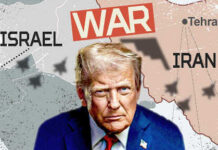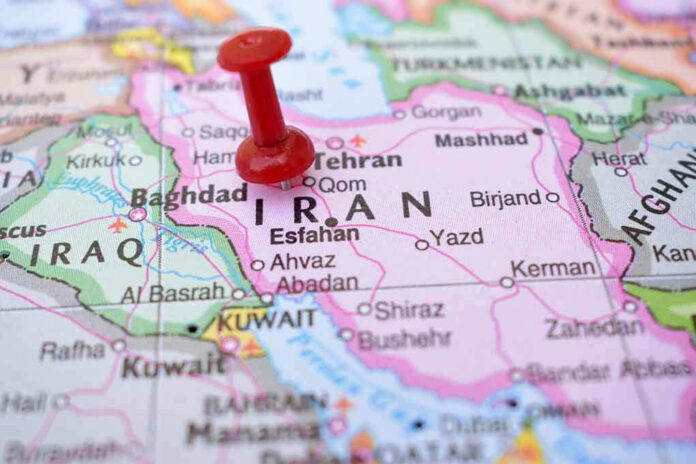
Iran’s Supreme Leader just threatened a full-scale regional war if President Trump orders military strikes, ratcheting up tensions to a fever pitch as American naval power masses in the Persian Gulf and the regime violently crushes internal dissent.
Story Snapshot
- Ayatollah Khamenei warns any U.S. attack triggers “regional war” amid Trump’s strike threats over Iran’s brutal crackdown on protesters
- U.S. deploys USS Abraham Lincoln carrier group and massive naval armada to Persian Gulf as Iran plans live-fire drills in Strait of Hormuz controlling 20% of global oil
- Iranian regime killed approximately 6,713 protesters and arrested 49,500 since December economic collapse sparked nationwide uprisings
- Trump signals serious negotiations underway while Pentagon reinforces Middle East air defenses to counter Iranian missile and drone threats
Khamenei Issues Stark Warning as Regime Faces Internal Crisis
Ayatollah Ali Khamenei delivered his most direct threat to the United States on February 1, 2026, declaring that any American military action would ignite a regional conflagration. Speaking before a crowd in Tehran, Iran’s Supreme Leader accused Washington of seeking Iranian oil and gas resources while framing the nationwide protests as a foreign-backed coup attempt. The warning comes as his regime brutally suppresses dissent that erupted December 28, 2025, following the rial’s collapse, with activists reporting thousands killed and tens of thousands detained under an internet blackout preventing independent verification.
Trump Administration Deploys Overwhelming Force While Pursuing Talks
President Trump has positioned the USS Abraham Lincoln carrier strike group, F-35 fighter jets, destroyers, and supporting naval assets in the Persian Gulf, creating what observers describe as an armada aimed at deterring Iranian aggression. Responding to Khamenei aboard Air Force One, Trump downplayed the threats, stating Iran is negotiating “seriously” and emphasizing American naval superiority with “the biggest ships.” The Pentagon is bolstering regional air defenses to counter potential Iranian retaliation through missiles, drones, and IRGC-backed proxy forces, though officials indicate airstrikes are not imminent. Reports suggest possible U.S.-Iran meetings in Turkey despite the hostile rhetoric.
Iranian Regime Brutality and Nuclear Ambitions Fuel Confrontation
The Islamic Republic’s violent response to economic protests has killed approximately 6,713 demonstrators and arrested roughly 49,500 citizens, according to Human Rights Activists News Agency, though these figures remain unverified due to the regime’s internet blackout. Protesters have targeted police stations, IRGC facilities, banks, and mosques, directly challenging Khamenei’s authority. Trump cites both this bloody crackdown and Iran’s nuclear program as justification for potential military action, building on June 2025 U.S. strikes against Iranian nuclear sites during Israel’s 12-day conflict with Tehran. This pattern reflects decades of hostility since Trump withdrew from Obama’s disastrous 2015 nuclear deal and reimposed maximum pressure sanctions.
Strait of Hormuz Becomes Flashpoint Threatening Global Energy
Iran announced live-fire military drills in the Strait of Hormuz for February 1-2, 2026, directly challenging American naval presence in the waterway through which one-fifth of the world’s oil supply transits. U.S. Central Command has warned against threats to American vessels or commercial shipping, highlighting the risk of miscalculation that could spike global energy prices overnight. The regime’s asymmetric warfare capabilities—including advanced missiles, drone swarms, and regional proxy militias—present real dangers despite America’s conventional military superiority. This standoff tests Trump’s dealmaking approach against hardline voices in Tehran who benefit from perpetual confrontation rather than negotiated resolution respecting Iranian sovereignty without nuclear weapons or terrorism export.
The situation underscores fundamental principles conservatives have long championed: strength deters aggression, American energy independence protects our interests, and tyrants who murder their own citizens while threatening neighbors deserve pressure, not appeasement. Trump’s dual-track approach of overwhelming force coupled with genuine negotiation offers the best path forward, contrasting sharply with previous administrations’ weakness that emboldened Iranian aggression. Patriots should remain vigilant as this crisis unfolds, recognizing that protecting American interests and regional allies requires both credible military deterrence and clear-eyed diplomacy backed by consequences for continued malign behavior.
Sources:
Iran’s supreme leader warns of “regional war” in Middle East if U.S. attacks – CBS News
Iran International – Latest Updates on Iran Supreme Leader Warning