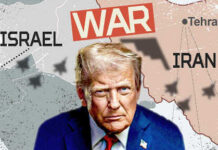

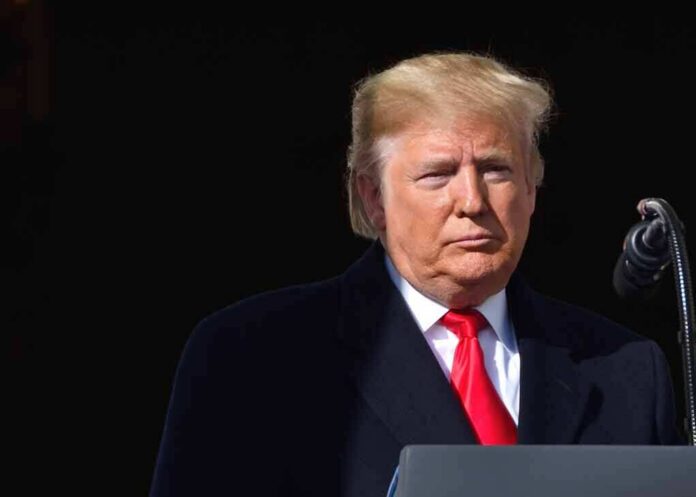
President Trump vows to slash U.S. troops in Germany far beyond the initial 5,000, delivering a long-overdue message to freeloading NATO allies who refuse to pull their weight in the fight against Iran.
Story Highlights
- Pentagon confirms withdrawal of 5,000 troops from Germany over 6-12 months, signaling Trump’s frustration with Europe’s minimal support in U.S.-Iran war.
- Trump escalates, stating cuts will go “a lot further” than 5,000, echoing his first-term push to end unfair burden-sharing.
- German Chancellor Friedrich Merz criticized U.S. Iran strategy, prompting the move; now downplays tensions despite free U.S. basing.
- Germany hosts 35,000-40,000 U.S. troops but falls short on NATO spending, justifying Trump’s America First realignment.
Pentagon Announces Initial Troop Withdrawal
Senior Pentagon officials disclosed on May 2, 2026, plans to withdraw approximately 5,000 U.S. forces from Germany. Chief spokesperson Sean Parnell described the decision as resulting from a thorough review of force posture in Europe, aligned with current theater requirements. The cuts target one brigade combat team and redirect a long-range fires battalion originally slated for Germany. This action spares critical facilities like Landstuhl Regional Medical Center, which treats troops injured by Iranian strikes.
Germany currently hosts over 36,000 active-duty U.S. troops, 1,500 reservists, and 11,500 civilians, a presence rooted in post-World War II and Cold War eras. The nation provides basing land for free and local workforce support, yet European allies offer limited aid in the U.S.-Iran conflict. Trump’s directive revives his first-term proposal for major reductions, halted by former President Joe Biden.
Trump Signals Deeper Cuts Amid Ally Criticism
President Trump announced on May 3, 2026, that U.S. troop reductions in Germany would exceed the Pentagon’s 5,000 figure substantially. Speaking to reporters, he stated, “We’re going to cut way down. And we’re cutting a lot further than 5,000.” The escalation follows public rebukes of German Chancellor Friedrich Merz and other NATO leaders for avoiding direct involvement in operations against Iran. Merz had assailed the U.S. for lacking an exit strategy, heightening transatlantic friction.
Trump’s stance enforces fair burden-sharing, a core America First principle. Germany and allies benefit from U.S. security guarantees while skimping on defense spending targets. This pattern mirrors Trump’s 2020 order to relocate 12,000 troops, underscoring persistent imbalances where America foots most of NATO’s bill.
Germany Downplays Rift as NATO Scrambles
German Chancellor Friedrich Merz attempted to walk back his criticism on May 4, 2026, insisting no direct link exists between his remarks and the troop cuts. Foreign Minister Johann Wadephul claimed Germany remains “prepared” and “relaxed” about reductions. Despite this, tensions persist, with NATO initiating talks to assess the Pentagon’s move. Europe increased brigade teams after Russia’s Ukraine invasion, yet support for U.S.-led Iran efforts lags.
President Donald Trump has said that far more troop reductions are in the offing after the Pentagon announced on Friday that some 5,000 U.S. soldiers would be withdrawn from bases in Germany over the coming year. https://t.co/gJEjLrlAlC
— Breitbart News (@BreitbartNews) May 4, 2026
U.S. law from December mandates maintaining at least 76,000 troops in Europe pending risk assessments, complicating deeper drawdowns. Still, Trump’s pressure exposes NATO’s inequities: Germany hosts Washington’s second-largest overseas deployment after Japan, free of charge, while criticizing American leadership. This realignment prioritizes U.S. interests, potentially redirecting resources home or to more reliable partners, fulfilling promises to end endless foreign entanglements.
Sources:
[1]
[2] Trump administration to cut 5000 U.S. troops from Germany
[3] Trump says US will reduce troop presence in Germany ‘a lot further …
[4]
[5] Trump signals deeper U.S. troop cuts in Germany amid rising NATO …
[6]
[7] Trump threatens deeper cuts for U.S. troop presence in Germany
[8]