Turkey just told 2,000 paying tourists that “who you are” makes you unfit to step off a ship, and that should make every traveler sit up and pay attention.
Story Snapshot
- Turkish officials blocked a chartered LGBTQ+ cruise from docking, citing “moral standards” and “family values.”
- The ship’s organizer says this is the first time in 36 years a country has banned them “because of who we are.”
- No clear Turkish law was cited, raising questions about raw political power over port access.
- The clash pits national “values” against individual freedom and tourism dollars, with global eyes watching.
Turkey’s message: your identity can close the port
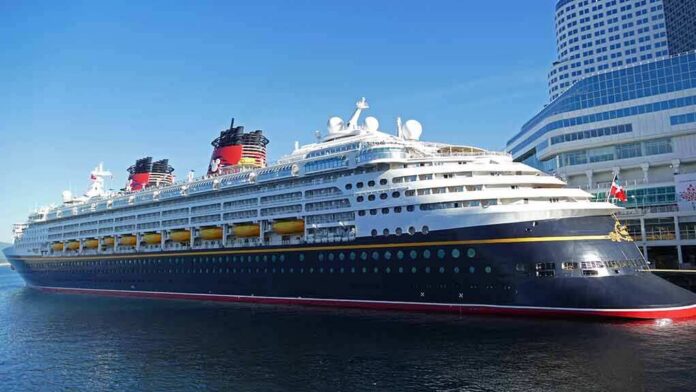
Turkish authorities did not quietly shuffle the schedule. They issued a public message: the Scarlet Lady, a Virgin Voyages ship chartered by United States based Atlantis Events for LGBTQ+ travelers, would not be allowed to dock in Kuşadası or Istanbul. Local officials in Aydin province said the passengers were known for behaviors that did not align with the fabric of Turkish society and its moral values. The message was clear. The problem was not safety. The problem was who was on board.
Atlantis Events had planned a 10 day Mediterranean trip, with thousands of LGBTQ+ passengers and Broadway star Patti LuPone on board. The ship was scheduled to arrive at Aydın Kuşadası Port before continuing to Istanbul. Instead, passengers got an abrupt notice from Atlantis: Turkish authorities had canceled the event stops, and the cruise would skip Turkey entirely due to “circumstances beyond our control.” The decision turned a standard port call into a global test case of how far a government can go in the name of “values.”
What officials said, and what they did not say
In their statement, Aydin province officials spoke the language of moral alarm. They claimed the cruise’s presence caused great discomfort in segments of society and declared it “absolutely out of the question” for the group to come to the province. They did not name a specific Turkish law. They did not cite a crime, a security threat, or a health concern. They rested their case entirely on social fabric, moral standards, and family values. That is culture talk used as a legal gate.
Supporters of the move argue that Turkey, as a sovereign nation, has the right to decide who uses its ports, especially for events they see as clashing with traditional family norms. They point to long running discomfort with Western sexual politics and pride style gatherings. But for American conservative readers, there is a key question. Should “values” enforcement rest on clear law and equal rules, or on vague official distaste that can shift with politics and pressure? That is where this case looks shaky.
The cruise company’s record and response
Rich Campbell, the chief executive officer of Atlantis Events, did not mince words. He told reporters this was the first time in 36 years that a country had clearly said they may not berth “because of who we are.” Atlantis has run many trips, including at least 13 previous visits to Turkey, without incident or bans. Campbell stressed that the voyage was a normal commercial charter, not a pride rally, march, or political protest. That matters because Turkish officials tried to frame the stop as an “event” more than a simple tourist visit.
The spark apparently came from a local nightclub. Authorities in Istanbul raided a bar after a flyer or brochure advertised an Atlantis party there. Campbell said that material was not produced by or linked to Atlantis. Yet the bar was shut down, and higher level officials then moved to block the ship itself. That chain raises a common sense concern. When the only concrete action is a third party bar ad, and the result is a nationwide port ban, it looks less like orderly law enforcement and more like a hunt for a pretext.
Law, power, and the thin line at the harbor
Homosexuality is legal in Turkey, and LGBTQ+ people are not barred from entering the country on paper. That fact undercuts any claim that passengers were a legal threat simply by being gay. At the same time, port states hold broad power over docking permissions, customs checks, and public order concerns. They can deny entry for many reasons with wide discretion. That mix of legal tolerance on paper and wide administrative power in practice is exactly where rights can quietly erode.
LGBTQ+ cruise ship denied entry to Egypt after Turkey ban
A cruise ship chartered by LGBTQ+ tour group Atlantis Events has been denied entry into Egypt, days after Turkey also refused it passage. The Scarlet Lady, carrying 2,000 passengers including Broadway performer Patti…
— PiQ (@PiQMarkets) July 9, 2026
For years, President Recep Tayyip Erdoğan’s government has taken a hard line against LGBTQ+ visibility, including bans on pride events since 2015. Critics see the cruise ban as one more step in a pattern: use flexible concepts like “discomfort” and “moral standards” to block gatherings, media, and now even foreign ships that center LGBTQ+ communities. From a conservative viewpoint that values both national sovereignty and clear, predictable law, this approach is risky. Power without sharp legal guardrails can be turned on any disfavored group tomorrow.
Tourism money, public opinion, and what comes next
Blocking a ship carrying around two thousand mostly American passengers is not cheap symbolism. Each port call means excursion bookings, meals, and shopping. Estimates put the lost tourism revenue near five hundred thousand dollars for this single decision. Turkey is a major tourism destination that sells itself as a crossroads of cultures. Turning away high spending guests over moral branding sends a message to every cruise line and traveler planning a visit.
Global coverage leaned heavily on the discrimination angle, highlighting phrases like “moral standards” and “family values” side by side with the passengers’ LGBTQ+ identity. Patti LuPone publicly condemned the ban, adding celebrity megaphone power. Yet the Turkish government has offered no detailed legal explanation or formal decree to answer critics. That silence keeps the story alive. For travelers, especially Americans who care about both religious freedom and equal treatment, the lesson is simple. When countries use vague “values” instead of clear laws, the next group turned away could be you.
Sources:
lifesitenews.com, english.mathrubhumi.com, cruisetotravel.com, facebook.com
© conservativefreepress.com 2026. All rights reserved.