

Ohio’s top Catholic church approved a public funeral Mass while withholding the pastoral facts behind that call.
Story Snapshot
- The Toledo cathedral said its priest can celebrate the funeral Mass “in conscience.”
- Church law presumes funerals for Catholics but limits them if a public scandal would result.
- A bishop’s teaching allows rites if the person showed repentance before death.
- The cathedral cited undisclosed pastoral details and declined further comment.
What The Cathedral Confirmed
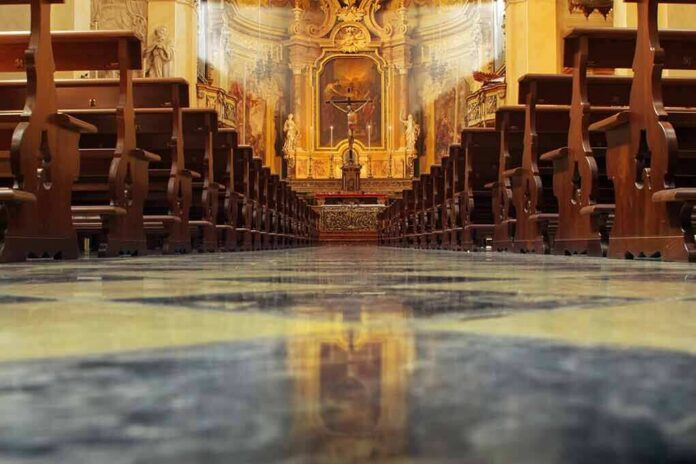
Our Lady, Queen of the Most Holy Rosary Cathedral in Toledo confirmed a funeral Mass scheduled for November 9, 2026, for John Arthur Park. The office manager said the celebrating priest reviewed the case and could offer the Mass “in conscience.” The message added that outsiders might not know “all the pastoral details” and that it would be inappropriate to comment further. The note came as Catholic media framed the case around a reported same-sex civil marriage.
The cathedral’s statement is the only on-record explanation now public. It does not include any ruling from the diocesan bishop, any written policy, or any canonical reasoning beyond the priest’s personal judgment. It also does not say whether Park sought reconciliation, showed repentance, or otherwise met any conditions that church law describes. The lack of detail leaves both supporters and critics to read intent into a decision they cannot fully see.
What Church Law Says About Funerals
The Code of Canon Law begins with a clear presumption. It says deceased Christian faithful must be given church funerals according to law. It also notes that funerals are usually in the person’s parish church. That presumption is not absolute. Canon 1184 says the church must withhold funerals from manifest sinners if a public funeral would cause scandal, unless there were signs of repentance before death. The exception for repentance is specific and longstanding.
Commentary that applies canon law to modern cases argues that a public same-sex marriage can qualify as “manifest” conduct that risks scandal. These writers say a public funeral could proceed if the person had repented or vowed to live chastely, and that pastors should make that clear to avoid confusion. This view stresses protecting the faithful from the impression that the church endorses the relationship itself rather than praying for a soul.
How Bishops Frame The Line
Bishop Thomas Paprocki, who has written and spoken on this issue, separates sexual orientation from public conduct. He says no one is denied Christian burial for orientation alone. He explains that a person in a same-sex marriage could receive funeral rites if the person repented and renounced the union. He also describes cases where a public Mass in church is not held because of scandal concerns, but a private service can still honor the dead and comfort the family.
That approach points to case-by-case judgment. It asks priests to weigh public facts and any real signs of repentance. It tries to hold two goods at once: mercy for the sinner and clarity about church teaching. Many Catholics across the spectrum accept that balance in principle. The part that frustrates the public is that pastoral details are often confidential, which leaves people guessing why a specific choice was made.
Why This Sparks A Wider Trust Problem
This Toledo case shows how silence breeds suspicion. The cathedral’s short note says the priest decided in conscience and hints there are facts the public does not know. But it offers no roadmap for how canon 1184 was applied, who reviewed it, or how the funeral would avoid scandal. In a time when many Americans distrust institutions, that gap invites claims that leaders bend rules for public image or for influential families.
This will become more and more common, no doubt: "Catholic Cathedral to offer funeral Mass for man in same-sex ‘marriage’" – https://t.co/SwHc9Hi8uF Diocese of Toledo, Ohio…
— Novus Ordo Watch (@NovusOrdoWatch) November 9, 2026
Reasonable steps could rebuild trust without breaking confidences. The diocese could publish a general explainer on how pastors weigh funerals in sensitive cases. It could outline the canons, define “public scandal,” and describe how signs of repentance can be shown without exposing private confessions. It could also confirm after the fact that the liturgy focused on praying for the dead, not praising disputed choices. Clear rules, fairly applied, calm a heated debate.
What To Watch Next
First, watch whether the funeral happened as scheduled and how the homily framed church teaching and mercy. Second, look for any diocesan guidance that clarifies the process for contested funerals. Third, expect ongoing debate in Catholic media about where to draw the “public scandal” line and how to communicate compassion without confusion. These are not small issues. They touch grief, conscience, and the public witness of a church many still look to for moral clarity.
Sources:
lifesitenews.com, canonlaw.info, catholic.com
© conservativefreepress.com 2026. All rights reserved.