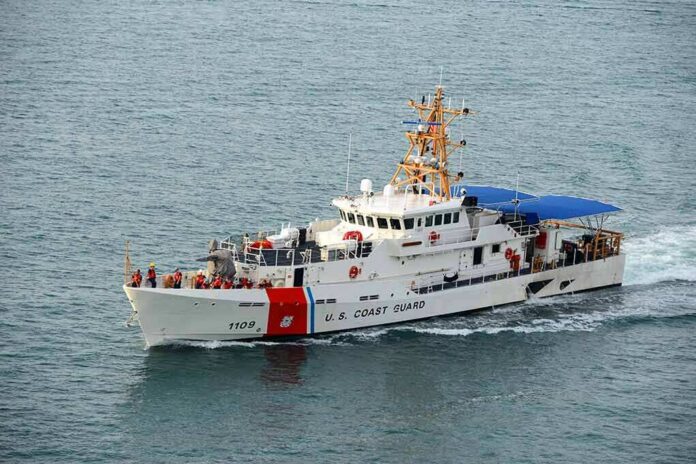
U.S. Southern Command says a precision strike sank a Caribbean drug boat and killed four narco-terrorists, tightening the noose on traffickers who flood our communities with poison.
Story Highlights
- SOUTHCOM reports a lethal strike on a “go-fast” vessel along known trafficking routes, killing four targets.
- Joint Task Force Western Hemisphere carried out the mission under SOUTHCOM direction.
- Officials cited confirmed intelligence tying the boat to active drug trafficking.
- Critics question transparency and demand more public evidence about the strike.
What SOUTHCOM Says Happened
United States Southern Command said a U.S. strike on September 19 targeted a high-speed “go-fast” vessel moving along established drug corridors in the Caribbean Sea. The command said confirmed intelligence showed the boat was involved in active trafficking. The strike killed four individuals SOUTHCOM labeled as narco-terrorists. The mission fell under the direction of U.S. Southern Command and was executed by Joint Task Force Western Hemisphere, which oversees operations in the region against drug networks.
Defense-focused outlets and wire services reported the same core points from the official release. Reports said the strike hit a suspected smuggling boat and resulted in four deaths. They echoed SOUTHCOM’s description of the target, the command chain, and the location as an established trafficking route in the Caribbean Sea. SOUTHCOM framed the action as part of an ongoing campaign to disrupt maritime smuggling networks that push fentanyl precursors, cocaine, and other hard drugs toward the United States border.
Why This Strike Matters for U.S. Communities
Drug cartels use go-fast boats to outrun patrols and move loads toward transshipment points. From there, product moves north by air, sea, and land. Communities here pay the price through overdose deaths, gang crime, and human trafficking tied to criminal pipelines. By hitting boats at sea, the United States aims to break supply before it lands on our shores. That strategy lines up with a simple goal many families share: keep lethal drugs and cartel violence far from American neighborhoods.
Under President Trump, the mission set in the Southern Command area has focused on speed and reach. Quick interdiction, joined surveillance, and combined assets try to deny cartels freedom of movement. Lethal strikes, according to the command’s public case, are reserved for vessels tied by intelligence to trafficking runs. Supporters argue that cartels are not casual smugglers. They are armed networks that corrupt governments, terrorize civilians, and feed the crisis that strains U.S. cities and rural towns alike.
Calls for More Public Details and the Legal Debate
Some media and advocacy groups have pressed for more disclosed facts about specific strikes. Reuters noted that human rights organizations describe such actions as extrajudicial killings and say the public record lacks disclosed evidence beyond official statements. Reuters also reported that Southern Command cited confirmed intelligence but did not provide more details publicly in that account. Those critics want more transparency on location, target identity, and the intelligence thresholds used to greenlight force.
This debate sits inside a larger legal argument about how to fight cartels at sea. Some legal analysts say drug trafficking is normally a law enforcement problem and prefer boardings, arrests, and trials rather than military action. Others stress that cartels operate like armed transnational groups, use stateless craft, and often escalate with weapons and ramming tactics. They argue that delaying action can lose the target and allow more deadly product to reach the United States. The policy choice is hard, but the stakes for American families are real.
Accountability, Oversight, and Measuring Results
Supporters of the campaign say accountability begins with a clear command chain, documented rules for the use of force, and after-action reviews. They also point to joint operations with U.S. partners that track routes and target organizers, not just boats. Skeptics ask for more public after-action data to prove impact, including seizures tied to strikes, reduced flow on known corridors, and arrests of network leaders. Both aims share a basic need: stop the drugs before they hit our streets.
US military says it killed 4 in strike on alleged drug-smuggling boat in the Caribbean https://t.co/Xp8gZfggTE
— ABC11 EyewitnessNews (@ABC11_WTVD) September 21, 2026
Conservatives want strong borders, safe towns, and a government that defends the innocent. Strikes like this promise to cut the problem at its source. To keep public trust, the administration can continue to release verifiable results when possible without helping cartels map our methods. That balance—firm action with prudent transparency—can maintain pressure on traffickers while showing Americans that every operation serves the same end: protect our people and uphold the rule of law.
Sources:
tribuneindia.com, stripes.com, politico.com, washingtonexaminer.com, reuters.com
© conservativefreepress.com 2026. All rights reserved.