
Venezuela’s twin earthquakes exposed a brutal truth: when a country is already broken, even rescue can arrive too late.
Quick Take
- At least 920 people were reported dead as search crews and civilians kept digging for survivors.
- Residents said they saw too few state rescue teams in the hardest-hit areas.
- International aid teams and equipment began arriving, but the damage slowed the response.
- The United Nations said up to 6.76 million people could be affected by the disaster.
Residents Say Help Came Too Slowly
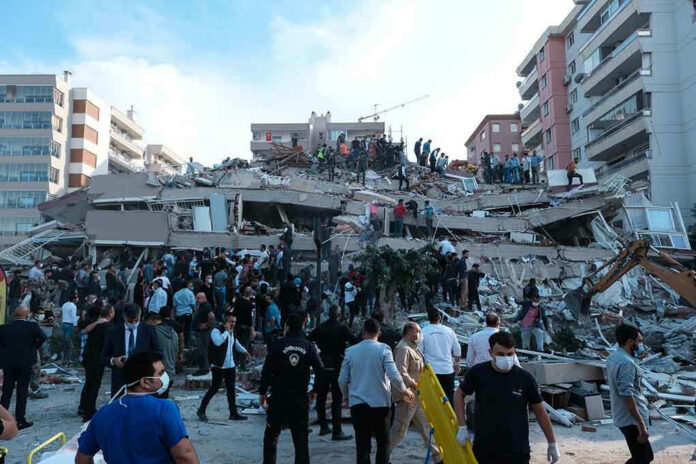
People in La Guaira and other hard-hit areas told reporters they were searching through rubble on their own. They said they saw few state rescue teams in the worst zones, even as the death toll kept rising. Authorities said 243 people had been rescued on Friday afternoon, but many families still believed the response was too thin for the scale of the disaster.[4]
The frustration was not only emotional. A survivor account cited in the research said debris had not been cleared and that help was not visible. Other reports said the lack of cellphone signals left many families cut off from missing relatives, which made the chaos worse. That combination of broken roads, damaged buildings, and weak communication made ordinary rescue work far harder than it should have been.
Infrastructure Damage Slowed Rescue Work
The earthquakes hit a country already struggling with weak public services and a long economic collapse. The research shows that the Caracas airport was damaged and closed, which made it harder to move supplies and crews quickly. Reports also said hospitals were under pressure and short on supplies as the injured kept arriving. In a disaster, that kind of damage can turn hours into days.
The United Nations said up to 6.76 million people could be affected, including about 2 million in Caracas alone.[1] That number shows why the response mattered so much. When transport lines, hospitals, and communications all take hits at once, the state needs a fast and organized plan. The evidence here suggests the system was overwhelmed before the full rescue effort could get moving.
Why The Wider Crisis Matters
Venezuela did not face this earthquake in a normal setting. The research describes a country already burdened by humanitarian crisis, with millions who had fled or were living under severe shortages. That pre-existing collapse helps explain why rescue teams, medical workers, and supplies were all stretched thin. It also explains why outside help from the United Nations and other countries became so important so quickly.[3]
🚨 "The death toll in the twin earthquakes which struck Venezuela earlier this week has risen to 1,430, according to one of the country’s top politicians Jorge Rodríguez."
Nadeem Badshah @guardian https://t.co/IeWrknLdt5— Stefan Bethlenfalvay (@SBethlenfalvay) June 27, 2026
That said, the available reporting does not prove total government inaction. The government declared a state of emergency and said it was coordinating aid, including rescue teams and health workers. The stronger finding is narrower and more defensible: survivors and reporters described a response that felt too slow, too small, and too tangled for the scale of the wreckage. In a crisis like this, delay costs lives.
Sources:
[1] Web – Venezuela earthquakes kill nearly 1,500, leave millions in need
[3] Web – expert reaction to earthquake in Venezuela | Science Media Centre
[4] Web – The Venezuela Earthquakes Hit a Health System Already in Crisis
© conservativefreepress.com 2026. All rights reserved.