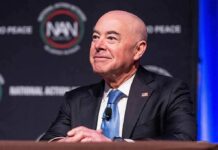


California’s self-proclaimed hospice fraud crackdown has been exposed as a spectacular failure, with 197 agencies registered to a single address—a smoking gun revealing that fraudsters are still operating freely despite years of promises and supposed enforcement actions.
Story Highlights
- 197 hospice and home health agencies registered to one address, exposing massive shell company fraud scheme
- 742 providers flagged for fraud remain operational despite state’s claimed crackdown, overbilling $105 million
- Federal investigators found 42 hospices in a four-block Los Angeles area, pointing to organized criminal enterprise
- Newsom administration deflects blame while Trump’s CMS director demands accountability for Medicare fraud crisis
Fraud Scheme Operates Despite State Moratorium
California implemented a statewide licensing moratorium on new hospice providers in September 2021, yet fraudulent operators continue exploiting regulatory loopholes through sophisticated shell company networks. The discovery of 197 agencies registered to a single address exemplifies how criminals circumvent oversight by creating fake entities faster than state agencies can identify and shut them down. This address-clustering tactic allows fraudsters to flip licenses, manipulate Medicare enrollment systems, and continue billing taxpayers while appearing legitimate on paper. The scheme reveals a fundamental flaw in Newsom’s approach: bureaucratic licensing freezes cannot stop criminals already embedded in the system.
Los Angeles County Emerges as National Fraud Epicenter
Los Angeles County accounts for approximately 18 percent of all national Medicare hospice billing activity, creating a concentrated target for organized fraud. CMS Director Dr. Mehmet Oz’s January field investigation identified 42 hospice facilities within just four blocks in Van Nuys, an impossible concentration unless fraud is occurring at scale. The geographic clustering indicates coordination among criminal enterprises exploiting vulnerable populations and lax oversight. These operations aren’t random—they’re calculated schemes designed to maximize fraudulent billing while minimizing detection risk. The scale suggests transnational organized crime involvement, with fraudsters understanding that California’s regulatory environment offers low risk and high reward for Medicare theft.
State Claims Success While Fraud Explodes
Governor Newsom’s administration touts revoking 280-plus licenses and filing 109 criminal charges as evidence of effective enforcement. However, March 2026 data reveals 742 flagged providers still operating and billing Medicare, with $105 million in identified overbilling. Attorney General Rob Bonta claimed California has been “at the forefront of identifying and addressing hospice fraud,” yet the persistence of hundreds of fraudulent providers contradicts this narrative. The disconnect between claimed enforcement success and ongoing fraud demonstrates a reactive approach that cannot keep pace with criminal innovation. State agencies are fighting yesterday’s fraud while new schemes proliferate unchecked, costing taxpayers millions and compromising care for genuinely vulnerable hospice patients.
Federal-State Blame Game Obscures Accountability
Newsom’s office accused Dr. Oz of racial profiling after his Van Nuys investigation highlighted Armenian American community involvement in fraud schemes, attempting to shift focus from systemic failures to identity politics. The governor claims the Trump administration dismantled federal oversight, placing responsibility for Medicare fraud on Washington rather than acknowledging state licensing and regulatory weaknesses. This deflection ignores a critical fact: California controls hospice licensing and has jurisdictional authority over fraud prevention within its borders. Federal agencies handle Medicare payment systems, but states approve providers who access those systems. Assembly Republican Whip Macedo correctly identified the core issue: “The Newsom Administration owns that failure 100 percent.” Political finger-pointing benefits no one except the criminals continuing to exploit vulnerable Americans.
Trump Administration Demands Action Plan
CMS and the Department of Health and Human Services jointly demanded California submit a comprehensive action plan within three weeks, signaling federal frustration with state inaction. Vice President JD Vance leads a broader fraud task force examining healthcare, housing, and food assistance fraud, with California’s hospice crisis serving as a primary example of systemic exploitation. House Republicans scheduled a February 2026 hearing titled “Common Schemes, Real Harm” to examine transnational crime organization involvement in Medicare fraud. The federal pressure represents overdue accountability for a state that allowed fraud to metastasize while claiming victory through symbolic gestures like licensing moratoria that demonstrably failed to stop criminal enterprises already operating in the system.
Sources:
Gov. Newsom, Dr. Oz Feud Intensifies Over Armenian Mafia Hospice Fraud Claims in Los Angeles
California Flagged for Weak Oversight in Federal Fraud Crackdown
Dr. Oz Healthcare Fraud Crackdown