When a Vietnam veteran had no known family to stand graveside, everyday Americans showed up by the hundreds—proving patriotism still beats the culture that tries to forget our heroes.
Story Snapshot
- A 2025 funeral for Vietnam veteran Robert Neff in Springfield, Illinois, drew more than 300 people after a public call went out because no family was found.
- The VA runs formal processes to bury and honor unclaimed veterans, including military honors, headstones, flags, and records work to identify remains.
- Volunteer groups such as Patriot Guard Riders and local honor guards often fill the “family” role at unaccompanied funerals.
- Similar ceremonies have been held across the country, including organized efforts like New Mexico’s “Forgotten Heroes” program and routine unaccompanied services at major national cemeteries.
Robert Neff’s Funeral Became a Community Stand-In for Family
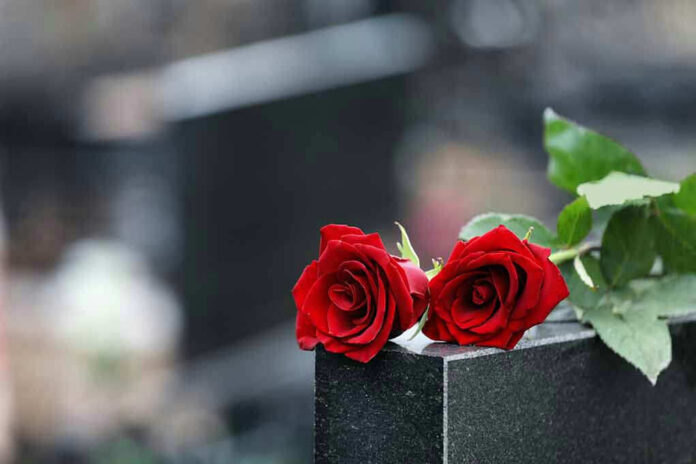
Springfield, Illinois, became the setting for a familiar but still jarring reality: a veteran who served his country reached the end of his life without known relatives to attend his funeral. In Robert Neff’s case, a public invitation went out after his death, and the response was overwhelming. More than 300 people reportedly attended at Camp Butler National Cemetery on May 27, 2025, including local residents, honor guards, and organized patriot groups.
A Veteran Had No Family at His Funeral, So America Came Instead
https://t.co/mcQK6yZdPi— Townhall Updates (@TownhallUpdates) March 10, 2026
That turnout matters because it highlights two truths at once. First, isolation among aging veterans is real, especially as Vietnam-era service members enter their late 70s and 80s. Second, when Americans are given a clear chance to do the right thing—show up, stand quietly, and honor service—many still do. The practical effect is simple: a veteran is not lowered into the ground with silence and emptiness, but with dignity and witnesses.
What the VA Actually Does When Veterans Go Unclaimed
The Department of Veterans Affairs, through its national cemetery system and related programs, coordinates burial for veterans whose remains are unclaimed or whose services are “unaccompanied.” According to the VA, the agency works with custodians and partners such as coroners to identify indigent or unclaimed veterans, update records, and ensure an appropriate burial. VA-provided honors can include a gravesite in a national cemetery, a headstone or marker, a burial flag, and other formal recognitions of service.
These systems are not designed for viral moments, but they make those moments possible. The VA’s internal work—tracking down eligibility, confirming service, contacting custodians, and improving procedures—creates the baseline guarantee that a veteran will not be discarded or treated as an administrative afterthought. When communities then add voluntary turnout, it turns a required government function into something deeper: a public reminder that citizenship includes duties, not just demands.
Patriot Guard Riders and Local Honor Guards Help Restore Respect
Organizations such as the Patriot Guard Riders frequently appear at these ceremonies, sometimes in large numbers, to provide a visible and disciplined show of respect. Reports from different ceremonies describe riders escorting remains, standing watch, and supporting military honors alongside active-duty participants and local honor guards. The focus is not politics in the partisan sense; it is a cultural insistence that service deserves recognition, even when a veteran’s personal life ended in loneliness.
That volunteer presence also highlights a gap that government programs cannot fully close: community and belonging. The VA can ensure a burial; it cannot manufacture family. When volunteers line roads, salute, or attend in silence, they effectively tell the broader public that the nation still has moral memory. For conservatives frustrated by years of institutions elevating trendy causes over timeless duties, these funerals show an alternative civic model built on gratitude, humility, and responsibility.
A National Pattern: From Illinois to Texas, New Hampshire, and New Mexico
The Neff funeral was not a one-off. Similar unaccompanied ceremonies have been held at sites such as Fort Sam Houston National Cemetery in Texas, where the cemetery conducts services for veterans who are interred without relatives present. Other widely shared examples include large turnouts for older veterans, such as a World War II Navy veteran in New Hampshire, and state-organized events like New Mexico’s “Forgotten Heroes” program, which has buried dozens of unclaimed veterans in a single annual ceremony.
The available research does not provide comprehensive national counts for how often these viral-scale turnouts occur, and it does not resolve every claim made in local coverage, such as whether specific programs are unique in the country. What it does show clearly is a consistent pattern across multiple states: when a veteran risks being buried with no one present, Americans—often led by veteran networks and local organizers—step in to make sure the final chapter includes honor.
Sources:
Burial and honor for unclaimed veterans