

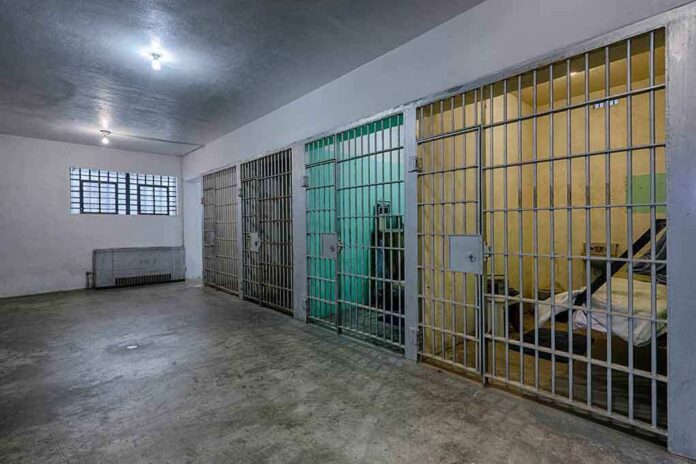
DHS is reportedly weighing a shutdown of Florida’s “Alligator Alcatraz,” raising questions about cost, effectiveness, and whether Washington is slow‑walking repayment owed to a state that stepped up on border enforcement.
Story Highlights
- Anonymous DHS sources say the Everglades facility is too costly and ineffective [1][2]
- Florida says it is still waiting on $608 million in federal reimbursement for one year of operations [1][2][8]
- Nearly 1,400 adult male detainees were housed there as of last month, ICE data show [1]
- A recent appeals court ruling underscored Florida’s operational control after no federal funds were paid [6]
DHS weighs closure while Florida seeks overdue reimbursement
Local and national reports cite unnamed federal and Florida sources saying DHS has concluded the Everglades detention center is too expensive and ineffective, with Florida spending over $1 million per day to run it [1][2]. Florida reportedly has not received $608 million in promised federal reimbursement for a year of operations, a delay linked in part to a recent partial DHS shutdown and ongoing federal reviews [1][2][8]. Both DHS and Florida’s Division of Emergency Management declined public comment on the talks, leaving official confirmation limited [1][2].
As preliminary talks reportedly proceed between Florida and the Trump administration, the facility—dubbed “Alligator Alcatraz”—remains a flashpoint for immigration enforcement and fiscal responsibility [1][2]. The center held nearly 1,400 male detainees as of last month, according to ICE data referenced in coverage [1]. Without clear on‑record statements or a public cost audit from DHS, the claims of ineffectiveness and the exact burn rate rest on anonymous sourcing, creating a verification gap even as negotiations are described as underway [1][2].
Court ruling affirms state control amid federal funding holdup
A recent Eleventh Circuit decision reversed a district court’s shutdown order, finding plaintiffs failed to show federal control or funding that would trigger environmental review laws, noting zero federal reimbursement had been paid despite prior promises [6]. The ruling underscored Florida’s operational control of the site and rejected claims of federal “final agency action” under NEPA at this stage [6]. That legal posture complicates activist efforts to shutter the facility through federal environmental hooks while reimbursement remains stalled [6][8].
Advocacy groups continue pressing for closure on humanitarian grounds. The ACLU urges immediate shutdown and challenges the legality of state detention authority, amplifying detainee allegations of poor conditions [3]. Amnesty International is likewise mobilizing petitions calling the site a model for abuse and environmental harm [4]. These campaigns shape the narrative environment surrounding DHS’s reported reassessment, even as the appeals court narrowed federal leverage tied to environmental oversight absent disbursed funds [6].
Costs, capacity, and the accountability dilemma
Reports describe mounting operational costs and vendor strain at the Everglades site, but they do not include public DHS audits or detailed cost breakdowns to validate “ineffectiveness” claims [1][2]. If the facility is indeed running above $1 million per day, taxpayers deserve transparent accounting and a results dashboard: how many detainees are processed, transferred, or removed compared with similar facilities, and at what per‑capita cost [1][2]. Without those numbers, both shutdown and stay‑open arguments lack the fiscal clarity voters expect.
For conservative readers, two priorities are paramount: rule of law and prudent spending. Florida built capacity to detain and process unlawful entrants; ICE data indicate substantial current occupancy [1]. If Washington asked states to surge capacity yet withholds repayment pending bureaucratic reviews, that is an accountability problem, not a reason to strand states with the bill [8]. If DHS now deems the site ineffective, it should release the evidence, the metrics, and a plan that preserves enforcement strength without wasting funds [1][2].
What should happen next
Policymakers should condition any shutdown or redesign on three disclosures: a DHS cost‑effectiveness audit with facility‑by‑facility comparisons; a public status update on the $608 million reimbursement, including environmental review milestones; and ICE throughput data for the Everglades site versus federal benchmarks [1][2][6][8]. These steps would separate activist narratives from verifiable performance, protect taxpayers, and ensure border enforcement remains strong, lawful, and accountable to citizens who demand security without blank checks.
Sources:
[1] Report: Florida in talks with Trump administration to shut down …
[2] Federal and State Officials Consider Closing Florida’s ‘Alligator …
[3] Shut Down “Alligator Alcatraz” | American Civil Liberties Union
[4] Shut down Alligator Alcatraz now – Amnesty International
[6] Appeals court reverses order on Alligator Alcatraz site | Miami Herald
[8] Feds block millions for ‘Alligator Alcatraz,’ ‘Deportation Depot’ over …