
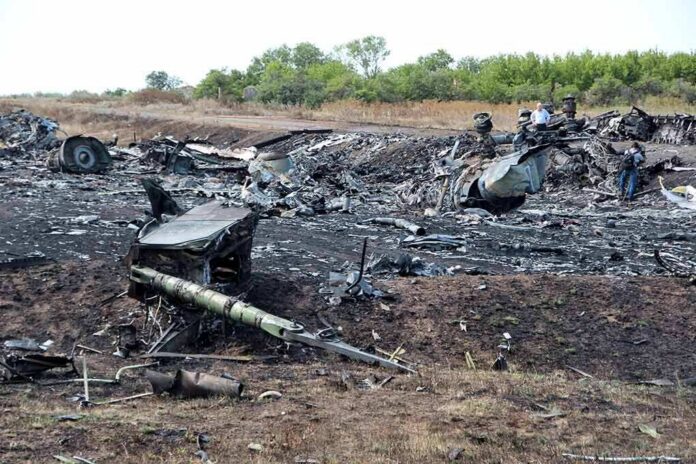
An American was among the dead after explosions tore through Saudi Arabia’s busiest airport, with hundreds more reported injured, and a militant group said it fired the shot.
Story Snapshot
- Houthis publicly claimed they targeted Riyadh’s King Khalid International Airport with a ballistic missile.
- Saudi civil aviation reported two attacks at the airport, killing three in early counts and disrupting flights.
- Coalition officials said defenses intercepted missiles aimed at Riyadh and hit a launch site in Yemen.
- Reports showed smoke, damaged aircraft, and evacuations as airlines scrambled and operations paused.
What happened at Saudi Arabia’s main gateway
Explosions and smoke hit King Khalid International Airport in Riyadh over several days, forcing evacuations and flight disruptions. Saudi aviation authorities said two separate strikes hit airport facilities and a Saudia aircraft, causing deaths and injuries, and pausing operations before later resuming traffic. The Houthi military spokesman, Yahya Saree, said their forces fired a ballistic missile that “hit its target,” while also warning airlines about Saudi airspace in related statements. Images verified by major outlets showed fire and a damaged jet.
Saudi-led coalition officials said air defenses intercepted ballistic missiles headed toward the capital and reported destroying a launch platform in Sanaa used for attacks on Riyadh. That account matches a common pattern in this war: attack claims by the Houthis, visible damage at civilian sites, and interception claims by Saudi defenses. Authorities also reported debris strikes near civilian areas in past incidents, which adds another layer to how casualties can occur during interceptions.
Why the casualty count and blame split do not align cleanly
Casualty numbers arrived in waves and did not match across outlets. Initial counts cited three deaths and several injuries in Riyadh, with other tallies combining figures from Abha and Riyadh airports across multiple days. Saudi civil aviation statements confirmed two attacks at Riyadh’s airport but did not immediately name the attackers, creating an attribution gap. The Houthis claimed responsibility for strikes on both Riyadh and Abha. Coalition officials later pointed to Houthi launches and a destroyed launcher.
These gaps reflect the fog of missile warfare. Airports are sprawling targets with many potential impact points. Damage can come from a direct hit, a near miss, or falling debris after an intercept. Public evidence has not locked down whether a ballistic missile directly hit the parked Saudia jet. The more solid ground is this: explosions happened, a plane and facilities were damaged, people died, and the airport’s operations were disrupted.
What the Houthis said, and how it fits their playbook
The Houthis repeated claims of targeting Saudi aviation hubs over the same period, including Riyadh and Abha. Their spokesman said they used ballistic and cruise missiles and warned airlines to avoid Saudi skies. This aligns with a clear strategy to pressure Saudi Arabia by striking airports and raising costs on air travel and logistics. The group’s messaging leaned into success claims, but those came without public technical proof such as verified debris or telemetry.
1/2 | SAUDI ARABIA: DEADLY ATTACK ON RIYADH INTERNATIONAL AIRPORT
VERIFIED
Saudi Arabia's General Authority of Civil Aviation (GACA) has confirmed 12 fatalities and 309 injuries following an attack on King Khalid International Airport on October 10.The victims include four… https://t.co/E1a3C6v2DG
— Littoral Insight (@LittoralInsight) October 11, 2026
For readers who value American conservative principles, the core tests are clarity, accountability, and civilian protection. Civilian airports are not legitimate military targets. Whether deaths came from a direct hit or from debris after an intercept, the moral and legal burden falls on those who launch at civilian infrastructure. Saudi authorities acted within a state’s duty to defend its capital. The Houthis offered words, not verifiable evidence, to back their “hit its target” boast.
What to watch next to confirm responsibility
Clear attribution needs hard evidence. Missile fragments with independent chain of custody, airport camera footage that shows approach vectors, and release of defense radar tracks would help. Maintenance and insurer reports on the damaged Saudia aircraft could show whether shrapnel, blast, or debris caused the harm. Satellite images near likely launch zones could match scorch marks to known Houthi systems. Until then, the established facts stand: a claimed Houthi strike, a deadly airport incident, and a city on edge.
Sources:
townhall.com, apnews.com, cnn.com, euronews.com, us.cnn.com, nbcnews.com, english.aawsat.com
© conservativefreepress.com 2026. All rights reserved.