A 20-year-old U.S. Marine’s arrest on suspicion of killing a woman in Naha jolted Okinawa and triggered a month of military curfews.
Story Snapshot
- Police arrested Lance Cpl. Devin Jacob Ballard on suspicion of killing and robbing Anna Yagi in Naha.
- Authorities said Yagi died of suffocation from pressure on her neck; surveillance reportedly tracked movements.
- Japan lodged strong protests and demanded strict discipline from U.S. forces.
- U.S. commanders halted operations for 48 hours and imposed a 30-day midnight curfew and alcohol ban.
What Police Say Happened In Naha
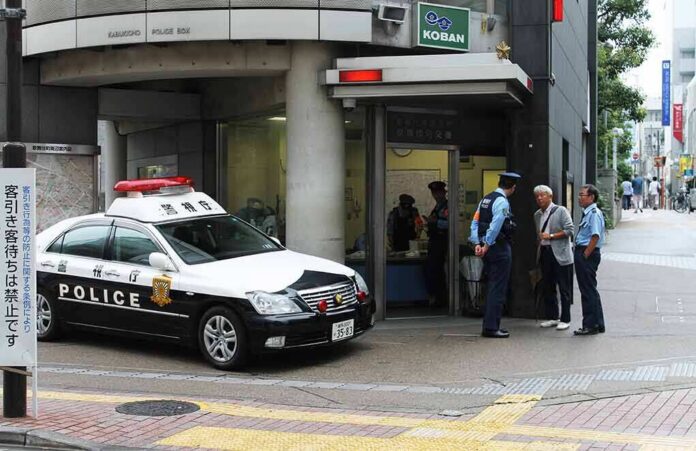
Okinawa police said they arrested Lance Cpl. Devin Jacob Ballard, 20, stationed at Marine Corps Air Station Futenma, on suspicion of robbing and murdering 39-year-old Anna Yagi at a hotel in Naha. Reporters cited police who said surveillance cameras showed a man entering the hotel with Yagi and later leaving alone. Police further said Yagi died of suffocation due to pressure on her neck, consistent with a strangulation theory. Ballard denied the allegations when questioned, according to police reports.
Police said officers later found Ballard walking in an entertainment district in Okinawa City and took him into custody. Media accounts described a quick handoff to prosecutors after initial questioning. The formal legal process now moves under Japanese law, which places the suspect in local custody during the investigation phase. The facts released to the public remain limited to police statements and reporting summaries at this stage.
Tokyo Pushes, Okinawa Demands, Washington Responds
Japan’s national leaders protested to the United States after the arrest. The vice foreign minister lodged a strong complaint with the U.S. ambassador. Officials used words like “unacceptable,” and they urged U.S. forces to enforce strict discipline and prevent repeat incidents. The message aligned with long-standing Okinawan concerns about crime tied to the large American military presence on the island, which has flared in past cases as well.
The U.S. military reacted within days. Commanders ordered a 48-hour pause of operations across Okinawa for standards training, banned alcohol for that window, and then imposed a month-long curfew from midnight to 5 a.m. for all personnel. The order kept service members on base, in assigned quarters, or at off-base homes during curfew hours. Command statements stressed cooperation with Japanese authorities and high expectations for conduct.
The Evidence In Public View, And What Is Missing
Named police sources and multiple outlets tie the case to hotel surveillance images and a medical finding of suffocation. Those details point to a clear timeline and a specific death mechanism rather than rumor or guesswork. Still, the public has not seen an arrest affidavit, a full autopsy, or the video itself. That gap is normal early in a Japanese criminal case, but it limits outside assessment until prosecutors file fuller records or a court process opens that evidence.
Ballard’s denial also sits in the record. A denial does not settle facts, but it reminds readers that an arrest is not a conviction. Responsible coverage keeps both truths in play: police say they have cause, and the suspect contests it. The American conservative instinct favors due process here. Let the evidence speak in court. In the meantime, it is fair to ask both governments to be transparent once the law allows.
Okinawa’s Repeated Cycle, And How To Break It
Okinawa has lived this cycle before: a violent allegation, public anger, a diplomatic protest, tough restrictions on U.S. troops, and then a slow return to normal. Each case lands with extra force because Okinawa hosts a heavy share of U.S. forces in Japan. Local leaders argue that crime risks stack on top of noise and land burdens. That mix keeps each new incident from feeling isolated; it becomes a referendum on the entire presence.
The U.S. military is imposing a monthlong curfew in Okinawa after the arrest of a marine on suspicion of murdering a local woman https://t.co/9jaKfAMCXb
— TIME (@TIME) October 7, 2026
Common sense suggests two tracks at once. First, give Japanese police and prosecutors space to run the case to the facts, not to headlines. Second, harden discipline where it actually moves the needle: strict liberty plans for first-term troops, command spot checks off base, targeted alcohol controls in high-risk zones, faster data-sharing with local police, and mandatory local-culture and victim-awareness training tied to liberty cards. Curfews signal urgency, but focused, year-round enforcement changes behavior.
What To Watch Next
Watch for prosecutors to file formal charges and outline core evidence. Look for clarity on whether any stolen items were recovered. Expect pressure from Tokyo and the Okinawa governor for lasting measures, not only temporary bans. Track whether U.S. commanders sustain tighter liberty oversight after the curfew lifts. The test is simple: fewer incidents, faster transparency, and steady respect for Japanese law—without trampling due process for the accused.
Sources:
time.com, abcnews.com, japan-forward.com, stripes.com, aa.com.tr, usnews.com
© conservativefreepress.com 2026. All rights reserved.