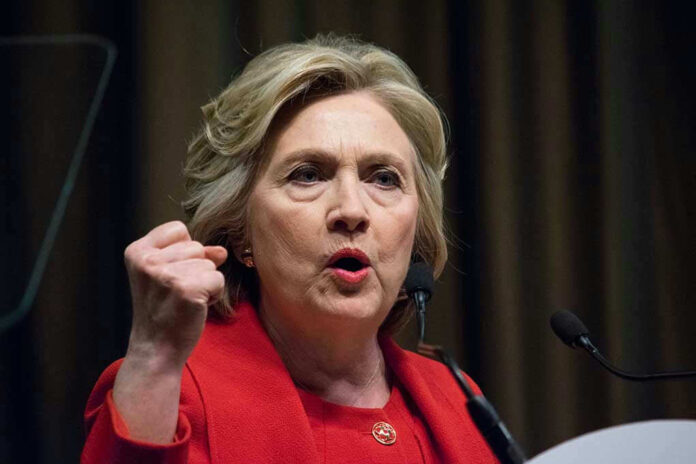
High-profile subpoenas targeting Bill and Hillary Clinton signal a seismic push for government accountability in the Epstein investigation, shaking Washington’s power structure and promising long-overdue answers for Americans demanding transparency.
Story Snapshot
- The House Oversight Committee has subpoenaed Bill and Hillary Clinton, former DOJ and FBI leaders, over the government’s handling of the Jeffrey Epstein case.
- Congressional investigators demand the Department of Justice release all Epstein-related documents by August 19, 2025.
- This bipartisan probe marks a rare instance of lawmakers seeking answers from elite figures of both parties, following public outrage over the DOJ’s recent Epstein findings.
- A potential House vote in September could declassify Epstein files, intensifying pressure for full disclosure and legislative reform.
Bipartisan Subpoenas Target Elite Political Figures in Epstein Probe
On August 5, 2025, the House Oversight Committee issued subpoenas to former President Bill Clinton, former Secretary of State Hillary Clinton, and a cohort of former Justice Department and FBI leaders. This sweeping move seeks to compel testimony and document production regarding how federal authorities handled the Jeffrey Epstein case. The Committee’s actions, supported by members across party lines, reflect mounting public frustration over perceived cover-ups and a lack of transparency in previous investigations involving powerful individuals. Many Americans see the investigation as a long-overdue challenge to elite impunity and government secrecy.
These subpoenas were authorized following a unanimous subcommittee vote on July 23, 2025, and formally delivered less than two weeks later. Targets include not only the Clintons but also former Attorneys General Merrick Garland, Bill Barr, Alberto Gonzales, Jeff Sessions, Loretta Lynch, Eric Holder, and ex-FBI Directors James Comey and Robert Mueller. The Justice Department faces a hard deadline of August 19 to turn over all Epstein-related files. Congressional leaders have signaled that, if compliance lags or new revelations emerge, the House may hold a vote in September to force declassification of Epstein documents. This would be an extraordinary measure, reflecting the urgency and seriousness with which lawmakers view the case.
Epstein Case: A Flashpoint for Government Accountability and Transparency
The current probe follows years of public dissatisfaction with how authorities investigated Jeffrey Epstein, a convicted sex offender with ties to influential figures across politics, business, and entertainment. Epstein’s 2019 death in federal custody—deemed a suicide by official reports—has sparked persistent skepticism and conspiracy theories, especially after the Department of Justice recently reaffirmed this conclusion and insisted no “client list” exists. This stance has only amplified calls among the public and in Congress for full disclosure of all evidence, correspondence, and prosecutorial decisions relating to Epstein’s network and alleged accomplices. The bipartisan nature of the current inquiry is notable, with lawmakers from both sides demanding answers and accountability, even if it means scrutinizing members of their own parties.
The subpoenas represent a rare convergence of conservative and progressive outrage, as legislators acknowledge the need for robust oversight of sex trafficking laws and prosecutorial agreements. Chairman James Comer, steering the investigation, has emphasized that restoring public trust requires pulling back the curtain on how such a high-profile case was handled. Speaker Mike Johnson, echoing this sentiment, declared that House Republicans are undeterred and committed to pursuing the truth, regardless of where it leads. The bipartisan support suggests that, for now, the push for transparency outweighs traditional political divides.
Implications for Law, Politics, and Public Trust
The immediate effect of these subpoenas is intensified scrutiny of the Justice Department and FBI, whose credibility has suffered in the eyes of many Americans over the past decade. If the DOJ complies fully, the public may finally gain access to critical documents and testimony illuminating past decisions—and possible failures—in the Epstein investigation. In the short term, this places reputational risk on subpoenaed figures, including the Clintons, who have long been dogged by allegations of questionable associations with Epstein. In the long term, the investigation could set new precedents for congressional oversight of criminal cases involving government officials and high-profile suspects, potentially paving the way for legislative reforms to sex trafficking laws and plea agreements.
Legal experts and transparency advocates have long argued that the 2008 non-prosecution deal Epstein received in Florida reflected systemic failures in holding the powerful accountable. The current House inquiry, if thorough and unimpeded, could force a reckoning on how such deals are struck and expose gaps in the justice system. Some caution, however, that while transparency is vital, lawmakers must ensure due process and avoid politicizing the proceedings. The outcome will likely reverberate well beyond Washington, shaping public confidence in institutions and fueling debates over elite privilege and government overreach for years to come.
🚨GHISLAINE MAXWELL TESTIFIES: CLINTON BLACKMAIL, EPSTEIN’S BODY FILES, AND HILLARY’S ALLEGED KILL LIST HANDED TO FOREIGN INTELLIGENCE
Ghislaine Maxwell detonates a political nuke: Bill Clinton was blackmailed by Epstein, not just over sex, but over bodies — “hundreds” of them.… pic.twitter.com/UOlxob7RGa
— CrazyDutch17 (@DSqldier17) July 30, 2025
Moving forward, the stage is set for a potential political showdown if the Justice Department resists document requests or if new revelations implicate additional high-profile individuals. Grassroots activists and advocates for victims of sex trafficking are watching closely, hopeful that this rare demonstration of bipartisan resolve will translate into meaningful reforms. For conservative Americans wary of government secrecy and elite protection, the investigation represents a crucial test of whether Congress can reclaim its oversight authority and restore faith in the Constitution’s promise of equal justice under law.
Sources:
House Oversight Committee subpoenas Epstein files – CBS News
2025.08.05 Subpoena Cover Letters – House Oversight Committee
House Oversight subpoenas DOJ, Epstein, Clintons, Comey – Axios
House Oversight Committee issues subpoenas Epstein files – ABC News