
An experimental pill that stopped shigella diarrhea in nearly every challenged adult could quietly reshape how we travel, fight outbreaks, and protect kids worldwide.
Story Snapshot
- An oral live Shigella sonnei vaccine, WRSs2, showed about 89% protection in a phase 2 human challenge trial.
- No vaccine-related serious adverse events were reported, but a few strong reactions forced dose cuts.
- The vaccine triggered strong antibody responses, hinting at a real path to lasting protection.
- All data so far come from healthy U.S. adults, not the children in Africa or Asia who need it most.
A dangerous stomach bug finally meets a serious contender
Shigella is not a headline virus, but it is one of the quiet killers of children. This bacteria causes brutal diarrhea that spreads through dirty water, close contact, and crowded settings. Doctors worry more each year because many strains now resist common antibiotics, which means the usual backup plan is failing. Public health groups have begged for a vaccine for decades, yet no Shigella shot is licensed anywhere today. That may be about to change.
Researchers tested a new oral vaccine called WRSs2 in a phase 2 trial that did something rare. Healthy adults swallowed the vaccine, then later drank a measured dose of a virulent Shigella sonnei strain on purpose, inside a tightly controlled study. This “controlled human infection model” sounds extreme, but it gives a fast, hard answer to one question: when a vaccinated person meets the real bug, do they get sick or not?
What the phase 2 results really showed
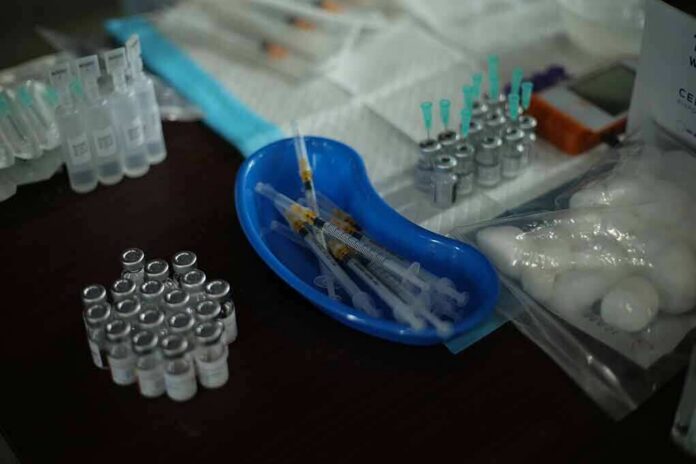
The main trial result is simple and striking. Among adults who received two doses of WRSs2, only 3 out of 34 developed shigellosis after challenge, compared with 21 out of 26 in the placebo group. That works out to about 89% vaccine efficacy, with statistics strong enough that this was very unlikely to be a fluke. Researchers also reported that a single-dose group had zero cases of disease, suggesting even one dose may protect well in this model.
Safety is the other half of the story. Earlier phase 1 work showed WRSs2 was generally well tolerated over a wide dose range, with mostly mild diarrhea and no serious complications. In the new phase 2 trial, there were no vaccine-related serious adverse events or deaths. That is the headline. But six participants did experience grade 3 adverse events, strong enough to trigger two safety board reviews and lead to a reduction in vaccine dose and tighter eligibility rules.
Why an oral live vaccine is both exciting and tricky
WRSs2 is a live, weakened Shigella sonnei strain. The idea is elegant and old-fashioned: use a crippled version of the germ that can wake up the immune system without causing full-blown disease. In phase 1 studies, this design produced robust antibody responses in blood and in the gut, including antibodies that could kill Shigella in lab tests. In the phase 2 challenge, vaccinated adults not only got sick far less often, they also shed fewer bacteria and had milder symptoms, hinting at less spread in real life.
Live oral vaccines, however, demand a narrow balance. Push the dose too low and the immune system barely notices. Push too high and healthy people spend the weekend chained to a toilet. The need to cut the WRSs2 dose after several grade 3 reactions shows scientists are still tuning that sweet spot where strong protection meets everyday tolerability. For healthy American adults, that tradeoff may be acceptable. For small children in poor regions, the margin for error is slimmer.
From lab challenge to real-world disease burden
Challenge trials are like crash tests in a lab. They tell us how a vaccine behaves when the rules are simple, the strain is known, and volunteers are well fed and closely watched. Real life is messier. In places like parts of Africa or South Asia, people face multiple Shigella strains, malnutrition, other infections, and poor sanitation. History with other gut vaccines shows that high protection in a controlled challenge can drop once the vaccine hits crowded villages and city slums.
That is where conservative instincts on policy and risk line up with good science. The numbers from this phase 2 trial justify real optimism and more investment. They do not justify skipping careful field trials in the children who carry most of the disease burden. WRSs2 has never been tested yet in toddlers, immune-compromised adults, or pregnant women. Researchers and regulators should demand phase 3 studies in endemic regions before any push for broad use, no matter how urgent the need feels.
Media hype, data control, and what comes next
Coverage so far has leaned hard on the good news. Headlines celebrate “89% protection” and a “promising” vaccine, while mentioning side effects and U.S.-only adults only in passing. That framing builds public hope but also sets up disappointment if later field results show more modest protection. To add pressure, Shigella outbreaks, such as those reported in Indian states like Kerala, keep reminding the world how serious the problem is and how limited current tools are.
One more tension sits beneath the surface. GlaxoSmithKline, the trial sponsor, holds the full clinical study report, and outside researchers must request it by email. That is standard for industry, but it slows independent checks on the safety and efficacy numbers. For a vaccine that may one day be given to millions of poor children, the bar for transparency should be higher. The best path forward is not blind trust and not cynical dismissal, but tough, open scrutiny backed by data sharing and serious phase 3 trials in the places that need this vaccine the most.
Sources:
sciencenews.org, cidrap.umn.edu, academic.oup.com, delta.larvol.com, pubmed.ncbi.nlm.nih.gov, theemmesgroup.com, gavi.org
© conservativefreepress.com 2026. All rights reserved.