

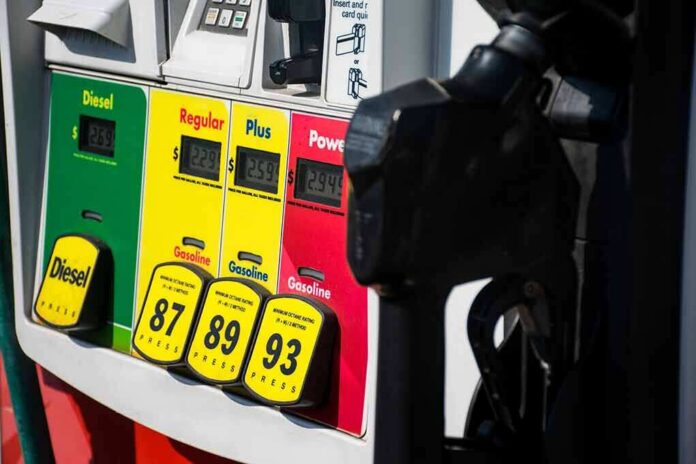
Diesel spiked to late-summer 2023 highs while Russia choked exports, squeezing a market with no slack.
Story Snapshot
- U.S. diesel averaged about $4.56 per gallon at its 2023 late-summer peak.
- Russia halted most diesel exports in September 2023, jolting supply chains.
- Moscow eased the curbs in October, but only after prices and nerves jumped.
- Thin diesel inventories and refinery limits made the shock hit faster and harder.
Prices Jumped As A Tight Market Met A Sudden Supply Shock
Energy Information Administration data show the U.S. national diesel average reached the mid-$4.50s per gallon in late summer 2023, including $4.540 for the week of September 11 and roughly $4.563 for the late-summer high. Those levels stood far above pre-2022 norms and signaled a strained market even before new shocks arrived. Price series confirm the surge, though they do not by themselves assign blame to one cause. The shape of the move points to supply getting pinched.
Russia then pulled a hard brake. On September 21, 2023, Moscow temporarily banned gasoline and diesel exports to most countries to “stabilise” its home market and “saturate” domestic supply. Russia is a major diesel exporter. Even a short freeze spooks traders, reroutes cargoes, and lifts wholesale prices. That effect can travel fast. Trucks, farms, and rail in many nations depend on these barrels. When export taps shut, spot markets pay up, and retail prices follow with a lag.
Russia Loosened The Grip, But The Damage Was Done
By October 6, Russia lifted most diesel export limits, calming the worst fears and hinting that domestic shortages had eased. Reuters detailed how the retreat worked and what it meant for flows in the weeks ahead. The unwind did not erase the stress. Buyers had already scrambled for supply. Shipping schedules had shifted. Inventories, already thin, needed time to rebuild. In fuel markets, days of disruption can echo for weeks as tanks, pipelines, and ships realign.
Refinery choices also shaped the squeeze. Analysts reported that U.S. refineries cut distillate output even as demand held, partly because plants favored lighter crude slates and gasoline yields. Tom Kloza pointed to a drop of about 127,000 barrels per day in U.S. distillate production during that window, which tightens diesel supply on the margin. With little spare capacity worldwide, small losses hit hard. This is why diesel often jumps faster than gasoline when trouble starts.
Why Diesel Bites First: Structure, Not Spin
Diesel runs the global economy’s backbone. It moves freight, powers farms, and feeds industry. Inventories are lean by design, and refining for diesel is less flexible than people think. The Energy Information Administration explained that refinery outages and sanctions can widen diesel refining margins and reduce supply, pushing prices up faster than crude oil alone would suggest. This structure rewards reliability. It also punishes even brief export bans, refinery hiccups, and route risks.
🚨 RECORD US DIESEL PRICES HIT $5.90 AMID REFINERY DISRUPTIONS.
WASHINGTON, UNITED STATES – The average price of diesel in the United States has climbed to a record $5.90 a gallon, straining truckers, farmers and holiday travelers as refinery outages and global conflicts tighten… pic.twitter.com/xEkcGCAnHx
— The Content Factory (@tcf_updates) September 7, 2026
Conservative common sense starts with cause and effect. When a top supplier hits the brakes on exports, prices rise. When refiners make less diesel, prices rise. When inventories sit thin, prices rise faster and take longer to fall. Blaming one headline can feel good, but the market moved for reasons that add up. The lesson is steady: build resilient supply, keep refineries running safely, protect trade lanes, and stop pretending diesel is optional. It is the economy’s workhorse, and work cannot wait.
Sources:
eia.gov, reuters.com, cnbc.com, government.ru
© conservativefreepress.com 2026. All rights reserved.