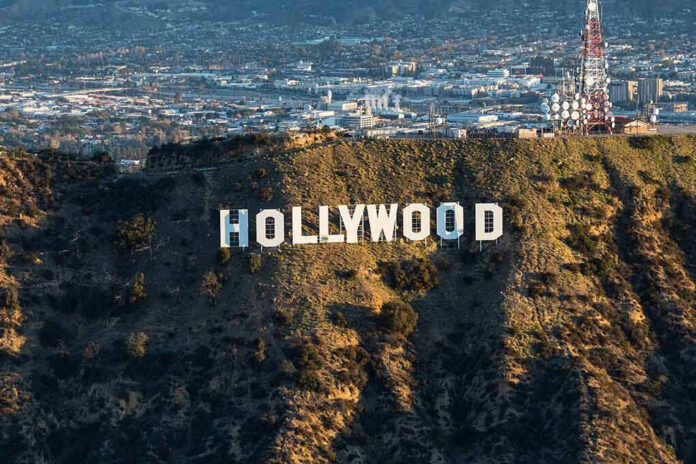
Hollywood’s continued blacklisting of acquitted actor Kevin Spacey exposes the chilling power of public accusation—raising alarms about due process and the fate of constitutional rights in an era when reputation can be ruined without conviction.
Story Snapshot
- Kevin Spacey, once a Hollywood icon, now admits to homelessness after losing his Baltimore mansion in foreclosure following costly legal battles.
- Despite his 2023 acquittal, Spacey remains professionally blacklisted, highlighting how mere allegations can destroy a person’s career and livelihood.
- The entertainment industry’s response exemplifies a broader trend of presuming guilt, undermining fundamental American values of due process and redemption.
- Spacey’s case reignites debate over the #MeToo movement’s legacy and the dangers of mob-driven justice overruling the courts.
Kevin Spacey’s Fall: From Acquittal to Homelessness
Kevin Spacey, twice an Oscar winner and former star of “House of Cards,” declared himself homeless after his $5.65 million Baltimore mansion was foreclosed in July 2024. This dramatic reversal follows a nearly eight-year saga of sexual misconduct accusations that began in 2017. Although Spacey was acquitted on all charges in a London court in 2023, Hollywood’s doors have remained firmly shut. Left with mounting legal bills and virtually no work, Spacey now drifts between hotels and temporary rentals, his possessions consigned to storage units.
Spacey’s admission is a rare glimpse into the real-world devastation that can follow public allegations—even when the justice system finds no wrongdoing. His case stands out not just for the fall from grace, but for the enduring punishment that continues long after acquittal. The entertainment industry’s response—a near-total professional ban—exemplifies a disturbing trend: accusations alone are enough to end careers, regardless of legal outcome. This “guilty until proven innocent” mindset flies in the face of America’s foundational due process protections.
Blacklisting and the Erosion of Due Process
The Hollywood establishment, from studios to agents, quickly disowned Spacey as allegations surfaced, stripping him of leading roles and any path to professional redemption. Even after his legal vindication, the industry continues to shun him, illustrating the power of public perception over rule of law. This dynamic mirrors the broader post-2017 shift where mere accusations—amplified by media and activist pressure—result in immediate social and economic penalties. For constitutional conservatives, this is a stark example of how mob-driven justice can trample individual rights.
This phenomenon is not limited to celebrities. In the eyes of many Americans, it signals a dangerous precedent: anyone can be targeted, cast out, and left destitute without a conviction. The erosion of the presumption of innocence—once a bedrock of our justice system—should alarm every citizen, especially as the same tactics threaten gun owners, religious conservatives, and others whose values run afoul of the prevailing ideological winds.
The Role of Media and Industry Power
Media outlets played a decisive role in shaping the narrative, often blurring the line between accusation and guilt. The relentless coverage of Spacey’s scandal, coupled with Hollywood’s risk-averse policies, created an environment where even a court acquittal could not restore his livelihood. This demonstrates how concentrated industry power, enabled by a complicit press, can serve as an unelected arbiter—deciding who gets a second chance and who is permanently exiled.
The underlying power dynamics reveal an industry more concerned with reputation management and virtue signaling than with fairness or constitutional values. Studios, fearing backlash from activist groups and social media mobs, opt for zero-tolerance policies that leave no room for due process or redemption. This pattern of collective punishment chills free expression and reinforces the dangers of ideological conformity over individual rights.
Broader Implications: When Public Opinion Overrules Justice
Kevin Spacey’s ongoing exile—despite legal exoneration—spotlights a deeper crisis in American culture: the rise of trial-by-media and the decline of due process. Industry experts and legal scholars warn that this approach threatens the very principles that safeguard liberty—namely, the presumption of innocence and the right to rebuild one’s life after being cleared by the courts. For conservatives, Spacey’s case is not merely about one man’s downfall but a cautionary tale about the fragility of constitutional protections in the face of popular outrage.
As the Trump administration works to restore common-sense justice and constitutional order, stories like Spacey’s serve as powerful reminders of what is at stake. The battle is not just over one celebrity’s fate, but over the soul of a nation built on individual rights, equal treatment, and the rule of law.
Sources:
Kevin Spacey Reveals He Is Homeless After Losing Mansion to Foreclosure Amid Costly Legal Battles