

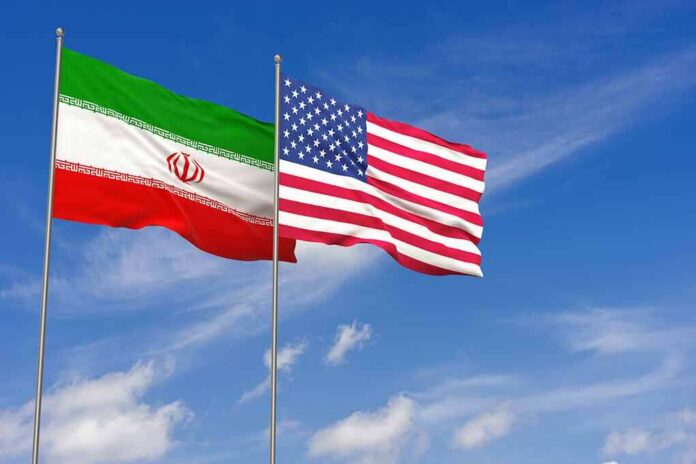
Iran says it is “open to diplomacy” only if the United States backs off pressure, testing Washington as the war hits six months.
Story Highlights
- Iran’s foreign minister tied talks to ending U.S. pressure, framing leverage as a precondition.
- President Trump and Secretary of State Marco Rubio say America is open to talks, but not on Iran’s terms.
- Iran says no talks are happening now and uses threats around the Strait of Hormuz to seek concessions.
- Analysts say both sides signal diplomacy while pushing for leverage, a long U.S.-Iran pattern.
Tehran Sets a Condition: End “Pressure,” Then Talk
Iran’s foreign minister said diplomacy is possible if the United States ends its “pressure” campaign. He posted that “putting diplomacy back on track” depends on Washington accepting that “pressure doesn’t work,” drawing a clear line as the conflict reaches six months. This message keeps Iran’s door “open,” but only if the United States eases actions that limit Tehran’s cash and reach. That condition aims to shift costs away from Iran while keeping military and regional pressure in play.
Reuters reporting and regional coverage show Iran pairing this offer with a refusal to start formal talks now. Tehran says it will not engage while it claims Washington is breaching a June interim deal, and that messages only move through intermediaries. Iran’s stance uses time and tension as leverage. By holding off direct talks, Tehran tests whether Washington will trade relief for calm, even as shipping and energy markets watch the Strait of Hormuz for signs of risk.
Washington’s Line: Door Open, Behavior Must Change
President Trump and top aides have said the United States is open to diplomacy with Iran, but only if Tehran changes its actions. Secretary of State Marco Rubio has echoed that line, pointing to Iran’s threats around the Strait of Hormuz and regional attacks as behavior that blocks progress. This approach keeps the moral and strategic high ground. It shows allies and markets that America prefers a deal, while it rejects any demand that the United States must give relief first.
The White House has also made clear that no talks are taking place now and none are scheduled, even as it keeps channels for messages with partners and allies. That clarity matters. It denies Tehran a talking point that Washington is bending, while it leaves room for a real discussion if Iran halts attacks and meets clear terms. It also signals to energy producers and shippers that U.S. resolve will keep sea lanes open without paying a ransom for calm.
Leverage Play: Hormuz Threats and Escalation Warnings
Senior Iranian voices have warned they will escalate in and beyond the Strait of Hormuz within weeks if the United States does not fully implement an interim deal, including demands Tehran says were promised. These warnings put global trade and fuel prices at risk. They are meant to scare partners and split the U.S. coalition. Iran’s leaders use this brinkmanship to push for sanctions relief and recognition of its nuclear “rights,” without first reining in the very actions that sparked sanctions.
Iran’s mix of “open to talks” and threats fits a long pattern where both sides test each other while claiming diplomacy is alive. Research on past rounds shows Washington often keeps the door open to prove it tried peace, even as it doubts Tehran’s intent. Tehran then ties talks to lifting sanctions, hoping time and pain will push the United States to blink first. That history suggests Iran’s latest message is leverage, not a breakthrough, and pressure plus clarity remains the prudent U.S. course.
Sources:
insiderpaper.com, nytimes.com, al-monitor.com, iranintl.com, aa.com.tr, irannewsdaily.com, reuters.com
© conservativefreepress.com 2026. All rights reserved.