
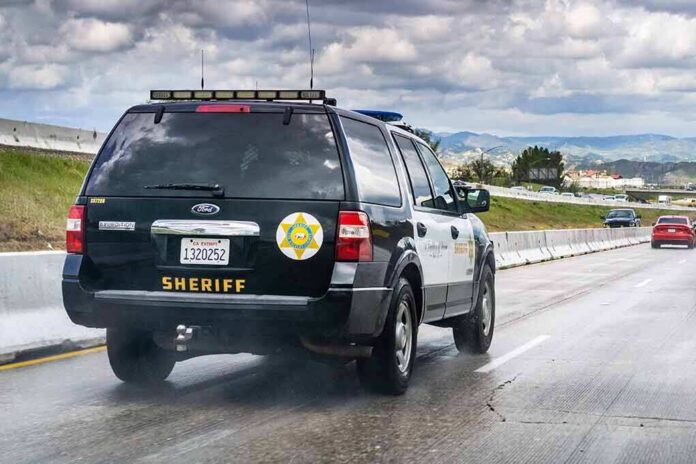
The moment Tony Romo snaps, “You think I’m drunk?!” at a Milwaukee deputy turns a routine traffic stop into a front-row look at how modern drunk driving enforcement really works when a famous face is behind the wheel.
Story Snapshot
- Former Dallas Cowboys quarterback Tony Romo was stopped on Interstate 43 in Milwaukee and arrested on suspicion of operating while intoxicated.
- Bodycam footage shows deputies citing unsafe driving, glassy eyes, alcohol odor, and failed sobriety tests before putting him in handcuffs.
- Romo insists he had “zero” drinks, argues to call his lawyer, and refuses a breath test, triggering a search warrant for blood.
- The case shows how probable cause, personal rights, and celebrity scrutiny collide on the side of a busy highway.
From golf course to traffic stop on a busy Milwaukee interstate
Deputies with the Milwaukee County Sheriff’s Office say they first noticed Tony Romo’s Jeep because of how it was moving through traffic. Reports describe unsafe passing on the right near the Marquette Interchange on Interstate 43, with the vehicle crossing the painted gore area where lanes split. The stop happens just after 6 p.m., daylight, on a busy stretch near downtown. When the deputy walks up, Romo says he has just left a golf tournament and is driving to see his grandparents.
The deputy does not treat this like a simple speeding ticket. On camera, she tells Romo that his driving, where he was coming from, and his appearance raise concern. She mentions “red, glassy eyes” and an odor of an alcoholic drink on his breath as reasons to start an impaired driving investigation. For many readers, that sounds like a script. It is. These details line up with roadside cues taught nationwide for drunk driving enforcement, used to decide whether to go further.
“Zero drinks,” questions for deputies, and a flash of frustration
Romo does not accept the suspicion quietly. On the bodycam, he repeatedly tells the deputy he had “zero” drinks and seems stunned that she links his golf outing to possible intoxication. When she asks him to step out of the Jeep for field sobriety tests, he keeps asking if he can call his lawyer first. She refuses and orders him out. At one point, after more back and forth, Romo steps out and pointedly asks, “Because I’m coming from a golf course, you think I’m drunk?”
This brief flare of anger is what grabs the headlines, but it also shows a tension many drivers feel. He is worried about his rights and reputation. She is focused on safety and procedure. For conservatives who value both personal responsibility and law and order, this is the crossroads: you want officers to act when they see danger, but you also expect them to respect the boundaries of the law and basic fairness.
Field sobriety tests, failed cues, and the decision to arrest
Once Romo is out of the vehicle, the bodycam shifts to the familiar roadside dance: heel-to-toe walking, turning, balancing on one leg, and following instructions. Media accounts say deputies reported he “performed poorly” on standardized field sobriety tests. One station notes the one-leg stand test where Romo lifts his foot but does not count out loud as directed. Deputies treat these missed steps and balance issues as signs of impairment and move toward arrest for operating while intoxicated.
Critics sometimes argue these tests can trip up even sober people. That is fair. But officers are not looking for perfection. They look for patterns of mistakes tied to intoxication. From their point of view, they had unusual driving, physical signs like glassy eyes, an alcohol odor, and now failed test cues. Under Wisconsin law, that combination can add up to probable cause to arrest, even before a breath or blood test is taken.
Refusing the breathalyzer, search warrant, and the rights question
The bodycam and reports show Romo refusing a roadside breath test when it is offered. He answers, “Oh, no,” and declines to blow. That choice is legal, but it carries consequences. Court records cited by outlets say he later received a citation for refusing a test for intoxication after arrest and that a search warrant was used to get a mandatory blood draw. This is standard under implied consent rules, which tie the privilege of driving to agreement to testing when police have cause to suspect impairment.
Bodycam Footage Shows Tony Romo Being Arrested for Alleged OWI and Refusing Breathalyzer Test https://t.co/w9zMFY7jSS
— People (@people) July 29, 2026
Romo’s push to call his lawyer before stepping out and before testing has sparked debate online. Some viewers ask why he was not allowed to phone an attorney on the spot. Officers, though, are trained that roadside investigations must move quickly for safety and evidence reasons. The smart conservative view splits the difference: you want citizens to know their rights, including the right to remain silent, but you also recognize that turning every highway shoulder into a legal conference room is not workable.
Celebrity scrutiny, public video, and what we still do not know
The release of the bodycam video changes the story’s feel but not its legal status. News outlets stress that Romo is arrested on suspicion of operating while intoxicated, not convicted. Prosecutors still need solid proof, usually the lab result from his blood. Some accounts say no formal criminal charges have been filed yet and that the investigation is ongoing. That gap is important. The same footage that convinces many viewers he was drunk is, in court, only part of the picture.
This case also shows how celebrity changes everything. Thousands of drivers face similar stops for suspected impaired driving every year, but only a handful see their confusion, anger, and handcuffs replayed online. When that happens, the public often reduces the story to a simple verdict: “He was drunk” or “He was railroaded.” The wiser approach, grounded in common sense, is to see two truths at once. Deputies had enough specific facts to justify further testing and an arrest. Romo still deserves a fair legal process, and the final judgment about guilt belongs in a courtroom, not the comment section.
Sources:
mediaite.com, tmz.com, mediaconfidential.blogspot.com, youtube.com, foxnews.com, cbsnews.com, abcnews4.com
© conservativefreepress.com 2026. All rights reserved.