Washington says the Iran war is “won,” yet the ceasefire is temporary and key threats remain unresolved.
Story Snapshot
- The White House cites major damage to Iran’s forces and claims strategic success.
- A ceasefire and shipping restart exist, but no final peace deal is in place.
- Independent reporting says core war aims, like nuclear limits, are still unsettled.
- The gap between victory talk and unfinished goals fuels public distrust across parties.
What Washington Says Was Achieved
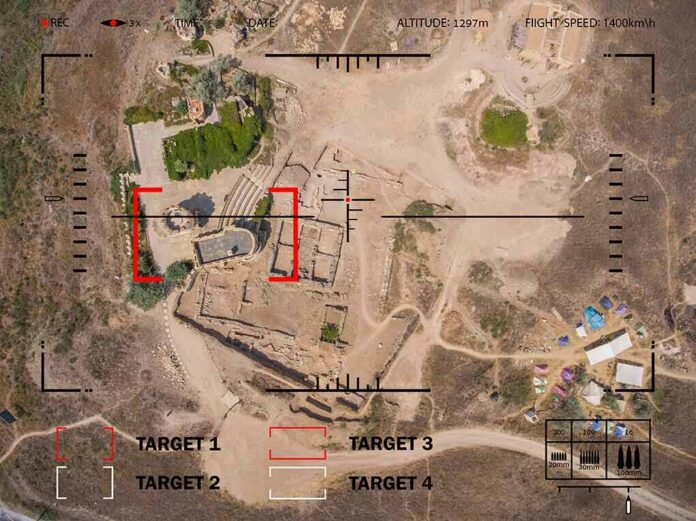
Trump administration officials say joint U.S.–Israeli strikes crushed Iran’s conventional power. They cite attacks on more than 13,000 targets and claim sharp losses for Iran’s navy, munitions plants, and air defenses. They argue these blows will sideline Iran’s forces for years and deter further attacks. Supporters point to reopened shipping lanes as proof of leverage. These assertions set a clear narrative of victory and justify a pause in bombing to cement gains through talks.
The administration also argues that a fragile ceasefire shows deterrence works. Officials say the halt in open fighting cuts risk to U.S. troops and global trade while talks continue. They maintain the pause reduces the need for new war powers from Congress. They frame the moment as a strategic pivot: fight hard, then lock in terms. This message aims to show control, resolve, and results, even as detailed terms remain out of public view.
What Is Still Unsettled or Disputed
The ceasefire memorandum is not a peace treaty, and its full text has not been released. Reporting says the deal extends a pause, reopens the Strait of Hormuz, and lifts some limits, but leaves core disputes for later talks. Independent coverage finds little public evidence of lasting progress on Iran’s nuclear program. Skeptics warn that big claims of military damage do not equal an end-state win if missile, drone, or nuclear risks persist.
NPR reports that Iran’s leadership and military structures remain in place and are shaping negotiation terms. That suggests bargaining power on both sides and an outcome far from settled. The same reporting notes that early U.S. aims—ending enrichment, destroying Iran’s military, and forcing regime change—have not been met in a verifiable way. This gap between initial goals and current facts is why many analysts call the conflict paused, not concluded.
Why This Dispute Matters to Voters
Americans across the spectrum are tired of wars that promise quick wins but end with open questions. Many see leaders claim success while hiding details behind classified walls. People who distrust the “deep state” hear victory talk and see another blank check. If the ceasefire holds because both sides are cautious, that is good. But if leaders label a pause as a win without enforceable terms, the public’s trust erodes more.
Costs and trade risks hit families first. The Strait of Hormuz moves much of the world’s oil. Any flare-up can spike fuel prices, pinch supply chains, and raise grocery and delivery costs. If damage to Iran’s arsenal reduces near-term attacks, shipping can recover. If not, insurance rates climb and prices follow. Voters want straight talk: what risks dropped, what stayed, and how leaders will keep tankers moving without endless bombing or new troop deployments.
How To Read the Competing Claims
Battlefield damage is real if strikes destroyed ships, plants, and radars. But strategy is about the end state, not the strike count. If Iran can still enrich uranium, fire missiles, or arm proxies, then the core problem remains. The strongest test is verifiable limits with monitoring. Without a public text, third-party inspection reports, or independent battle-damage assessments, outside experts cannot confirm many key claims. That makes the rhetoric-versus-reality gap wider.
As President Trump weighs his options in Iran, @JakeAuch tells @noosphereapp he wants to prevent a failure becoming a quagmire. The wars in Vietnam, Iraq, Afghanistan and Iraq all have groupthink and sunk cost bias in common, says the Marine Corps veteran. https://t.co/NGoG7Rb16U
— Laura Trevelyan (@LauraTrevelyan) July 27, 2026
For now, two things can be true. First, U.S. and allied strikes likely hurt Iran’s conventional forces a lot. Second, the conflict’s hardest goals—nuclear limits, missiles and drones, and proxy networks—are not settled in public view. The ceasefire and shipping restart reduce immediate danger. But until negotiators release terms and inspectors verify compliance, “mission accomplished” talk is premature. Citizens should press for transparency so leaders cannot relabel a pause as victory.
Sources:
19fortyfive.com, npr.org, bbc.com, youtube.com
© conservativefreepress.com 2026. All rights reserved.