Qatar’s air force just shot down two Iranian jets invading its airspace, boldly standing with President Trump’s America First campaign against a desperate Iranian regime.
Story Highlights
- Qatar intercepted two Russian-made Su-24 bombers from Iran on March 2, 2026, after they ignored warnings, marking the first Gulf state takedown of Iranian manned aircraft.
- President Trump vows to strike Iran “for as long as it takes,” rejecting weak globalist timelines for decisive victory.
- Qatar also downed seven missiles and five drones, proving U.S. allies can defend against Iranian aggression without endless foreign aid dependency.
- Iran’s escalation follows U.S.-Israeli strikes killing Supreme Leader Khamenei, exposing regime weakness after years of unchecked terror sponsorship.
- Gulf states hosting U.S. forces now frontline in conflict, reinforcing Trump’s strategy to protect American interests abroad.
Incident Details
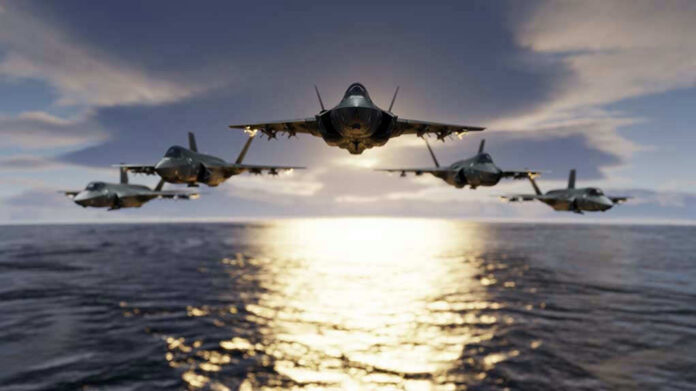
Qatar’s Defense Ministry announced on March 2, 2026, that its air force shot down two Sukhoi Su-24 tactical bombers entering from Iranian territory. The jets failed to heed repeated warnings, resulting in no survivors. This marks the first public confirmation by a Gulf Arab state of Iran deploying manned aircraft in attacks, shifting from prior drone and missile tactics. Qatar simultaneously intercepted seven ballistic missiles and five drones, destroying all before impact. The ministry affirmed full capabilities to protect sovereignty against external threats.
Qatar Shoots Down Two Iranian Jets That Entered It's Airspace https://t.co/OdSQH7psll
— Sonny (@saveamerica64) March 2, 2026
Conflict Background
U.S. and Israeli airstrikes on Iran began March 1, 2026, killing top leaders including Supreme Leader Ayatollah Ali Khamenei. Iran retaliated with drones and missiles targeting Israel and Gulf nations hosting U.S. assets. Qatar, a key U.S. ally, became a focal point. Previously, Iranian actions against Gulf states involved only unmanned systems. This manned aircraft incursion signals escalation, testing alliances forged under Trump’s strong leadership against Iranian expansionism.
Iran’s death toll exceeds 550 from ongoing operations. A fourth U.S. service member died from prior wounds, while three F-15E Strike Eagles were lost over Kuwait in apparent friendly fire. These events highlight risks to American troops stationed to counter threats Biden’s weakness once emboldened.
President Trump’s Resolve
President Trump declared the U.S. will continue striking Iran “for as long as it takes” to neutralize threats. Initial plans projected four to five weeks, but Trump stressed sustainability far beyond, prioritizing American security over globalist restraint. This approach counters years of fiscal mismanagement and appeasement that fueled inflation and instability at home. Qatar’s success validates bolstering allies to share defense burdens, aligning with conservative principles of limited U.S. overreach.
Trump’s stance reassures patriots frustrated by past administrations’ hesitancy, which allowed Iran to sponsor terror while American families faced border chaos and economic strain. Gulf partners like Qatar demonstrate self-reliance, reducing calls on U.S. resources.
Strategic Implications
Short-term, the Gulf faces heightened risks to infrastructure and civilians. Long-term, Iran may ramp up manned operations, spurring Gulf defense investments and prolonging conflict. U.S. forces strain under extended ops, but Trump’s America First policy strengthens partnerships vital for energy security and countering Chinese influence. Regional destabilization threatens oil markets, echoing globalist failures Trump now corrects through resolve.
Sources:
Qatar downs two Iranian jets as Trump expects prolonged war
Qatar shoots down Iranian warplanes, missiles and drones
Qatar downs two Iranian jets amid US-Israel strikes