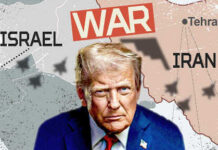
America’s allies are refusing to help reopen the Strait of Hormuz even as Iran’s blockade squeezes global energy supplies and sends fuel prices higher.
Story Snapshot
- President Trump publicly urged allied nations to help reopen the Strait of Hormuz after Iran effectively blockaded it following U.S. and Israeli strikes.
- Major partners including the UK, Germany, Japan, and Australia signaled they will not join military operations, emphasizing diplomacy and avoiding a wider war.
- The strait is a critical chokepoint for roughly 20% of global energy exports, making the blockade an immediate pocketbook issue for Americans.
- China called for de-escalation and reportedly benefits from selective passage, with Iranian forces allowing Chinese vessels through unharmed.
Trump’s Message: Shared Waterway, Shared Responsibility
President Donald Trump’s request is straightforward: reopen the Strait of Hormuz and restore secure maritime transit after Iran’s retaliatory blockade. Trump framed the strait as a shared international artery that benefits multiple economies, not merely a U.S. concern. The call came after U.S. and Israeli military operations against Iran, followed by Iran’s move to restrict shipping—an action that has already contributed to a surge in global fuel prices.
Trump’s warning about NATO’s “very bad” future if allies refuse to participate underscores that this is not only a Middle East security flashpoint, but a test of alliance expectations. The available reporting does not specify the exact capabilities Washington asked each partner to contribute, or what operational plan was proposed. That lack of detail leaves outside observers judging mostly from each government’s public refusals and diplomatic language.
Allied Pushback: “Not Our War” and No New Naval Mission
Responses from key U.S. partners were notably direct. The United Kingdom said it would not be drawn into a wider war and urged diplomacy. Japan stated it was not considering a maritime security operation in the strait. German officials went further, describing the conflict as “not their war, nor NATO’s,” and rejected involvement. Australia also said it would not send ships, reinforcing a broader reluctance to join a high-risk operation.
Those refusals matter because the strait’s geography and Iran’s ability to escalate make coalition politics inseparable from military feasibility. Expert commentary cited in the research questions whether “a handful or two handfuls” of European ships could accomplish what the U.S. Navy cannot do alone, implying that symbolic contributions may not change battlefield realities. Allies appear to be weighing risks of escalation against the benefits of action.
Why Hormuz Matters: Energy Shock, Inflation Pressure, and Vulnerable Chokepoints
The Strait of Hormuz is not an obscure maritime lane; it is one of the world’s most consequential energy chokepoints, carrying about 20% of global energy exports. When that flow is disrupted, fuel prices can rise quickly, and that spike doesn’t stay overseas—it hits American families through higher gasoline, higher shipping costs, and rising prices across energy-dependent goods. The research describes a continued surge in global fuel prices.
From a conservative lens grounded in the available facts, the takeaway is less about rhetoric and more about the hard vulnerability of global supply lines. Overreliance on fragile routes and foreign regimes exposes U.S. consumers to shocks that feel like inflation, regardless of domestic fiscal policy. At the same time, the research does not quantify the full economic damage, so the precise scale of the hit remains unclear beyond “surging” prices and broad downstream effects.
China’s Middle Position and Iran’s Selective Passage
China’s response highlights a different kind of pressure campaign. Beijing called for halting military actions and pushed diplomatic solutions, while showing no inclination to deploy ships to force the strait open. The research also reports Iran is allowing Chinese vessels to pass through unharmed, a detail that suggests selective enforcement is part of the strategy. Trump reportedly warned he could delay a planned China trip if Beijing did not help keep the strait open.
Trump Called on US Allies to Help Reopen Strait of Hormuz – This Is How They Responded
https://t.co/Jp2xMi4BhL— Townhall Updates (@TownhallUpdates) March 16, 2026
With allies declining and China staying on the sidelines, the near-term outlook described by experts leans toward economic pain forcing diplomacy. The research suggests continued disruption could eventually push multiple parties—including Gulf states and even U.S. partners—toward ceasefire talks because the pressure is global and immediate. What is still unknown is the timeline: the reporting does not provide a clear path for reopening the strait or the conditions under which Iran would lift restrictions.