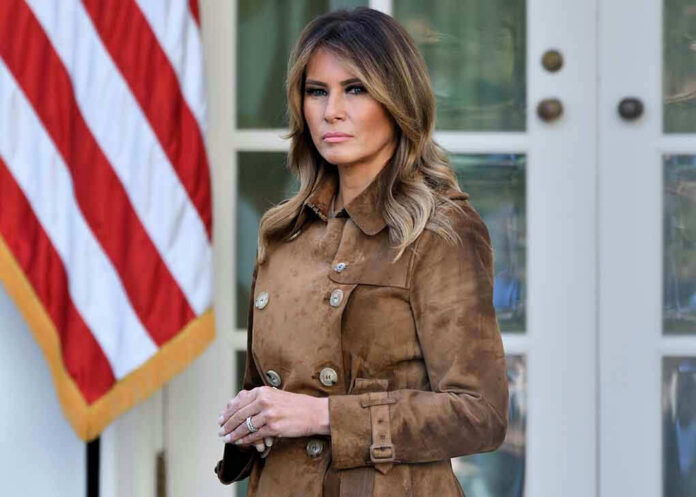
Melania Trump’s rare public rebuke of Jimmy Kimmel is fueling a new fight over whether late-night “satire” has crossed into dehumanizing rhetoric—especially after gunfire erupted at the White House Correspondents’ Dinner days later.
Story Snapshot
- Jimmy Kimmel joked on April 23 that First Lady Melania Trump had “a glow like an expectant widow” during a Correspondents’ Dinner parody.
- After an active-shooter incident disrupted the real Correspondents’ Dinner at the Washington Hilton, the clip resurfaced and went viral.
- Melania Trump responded on April 27 on X, calling Kimmel a “coward,” labeling his language “corrosive,” and urging ABC to “take a stand.”
- Reports differ on how to characterize the shooting incident, and available coverage does not establish whether the gunman specifically targeted President Trump.
What Melania Trump Actually Said—and Why It Stands Out
Melania Trump’s April 27 statement drew attention because she rarely steps into daily political battles, yet she chose direct language aimed at a specific media figure and his network. She accused Jimmy Kimmel of using “hateful and violent rhetoric,” argued that it “divides the country,” and urged ABC to act. Her framing matters: it shifts the dispute from “comedian versus politician” toward whether entertainment companies have responsibilities when politics and violence intersect.
Melania Trump Fires Back at Jimmy Kimmel's Awful 'Joke' https://t.co/qOJiARDeqA
— Doug Spencer (@kishca2212) April 27, 2026
Kimmel’s controversial line came from an April 23 parody of the White House Correspondents’ Dinner on Jimmy Kimmel Live!, where he mocked the Trumps’ marriage and described Melania as having “a glow like an expectant widow.” The joke played as harsh—even by late-night standards—because it leaned on the idea of a spouse anticipating a president’s death, not merely a policy jab. That distinction is central to why the clip traveled so fast once real-world danger entered the picture.
The Timeline: A Joke, Then Real Gunfire at a High-Profile DC Event
The timing is what turned an ugly punchline into a national flashpoint. Kimmel’s parody aired April 23. The actual White House Correspondents’ Dinner took place April 25–26 at the Washington Hilton with President Donald Trump and Melania Trump present, when an active shooter disrupted the event and attendees were escorted out amid reports of gunfire. Coverage identifies the suspect as Cole Allen. Several accounts describe it differently—“active shooter,” “attempted shooting,” even “attempt on Trump”—and the public record in the provided sources does not conclusively resolve intent.
That uncertainty hasn’t stopped people from drawing lines between culture and consequences. Supporters of the First Lady argue the “widow” framing normalized the idea of political death, making it harder to treat threats as abnormal. Others counter that a joke, however tasteless, does not equate to incitement—especially since Kimmel spoke before the dinner incident occurred. Based on the available reporting, there is no evidence Kimmel referenced or predicted the later violence; the controversy is about judgment and tone, not proof of coordination.
ABC’s Corporate Problem: Free Expression Versus Brand Risk
Melania Trump’s demand that ABC “take a stand” forces the network into a familiar corporate dilemma: protect a talent brand built on political commentary, or limit exposure to reputational blowback and advertiser concerns. ABC also carries the broader question of whether entertainment divisions should police rhetoric when national politics is already inflamed. The sources reviewed do not report an on-the-record response from ABC or Kimmel to Melania’s statement as of April 27, leaving the next move—apology, suspension, or silence—unclear.
This is not the first time Kimmel has faced scrutiny over how he talks about political violence. Reporting notes he previously experienced a brief suspension after comments tied to the fatal shooting of Turning Point activist Charlie Kirk, later returning after apologizing for poor timing. That precedent is relevant because it suggests ABC has, at least once, treated timing and context as grounds for disciplinary action. Whether the network sees this case as similar will depend on internal standards that are not publicly detailed in the provided materials.
Why This Resonates Beyond Late-Night TV
The larger issue is institutional trust—something both conservatives and liberals increasingly say is collapsing. Conservatives hear elite media figures talk about Trump-world with contempt and conclude that powerful cultural gatekeepers live by different rules than everyone else. Liberals worry that political pressure campaigns against comedians threaten speech norms. The facts here show a narrower reality: a crude joke, a terrifying security incident, and a rare First Lady intervention. Even without proving cause-and-effect, the episode underscores how quickly American politics turns entertainment into a proxy war.
From a conservative perspective, the practical question is simple: when public discourse treats political opponents as objects of ridicule—especially with death-adjacent language—it becomes harder to rebuild basic civic restraint. From a liberal perspective, the counterquestion is also straightforward: who decides where satire ends and “dangerous rhetoric” begins? With no confirmed network action yet, the most concrete takeaway is that the boundary fight is moving from social media into direct pressure on corporate media decision-makers.
Sources:
Melania Trump issues rare public statement calling out ‘coward’ Jimmy Kimmel’s joke
Melania Trump urges ABC to ‘take a stand’ after Jimmy Kimmel’s ‘widow’ joke
Kimmel calls Melania Trump ‘expectant widow’ days before White House correspondents’ dinner shooting