
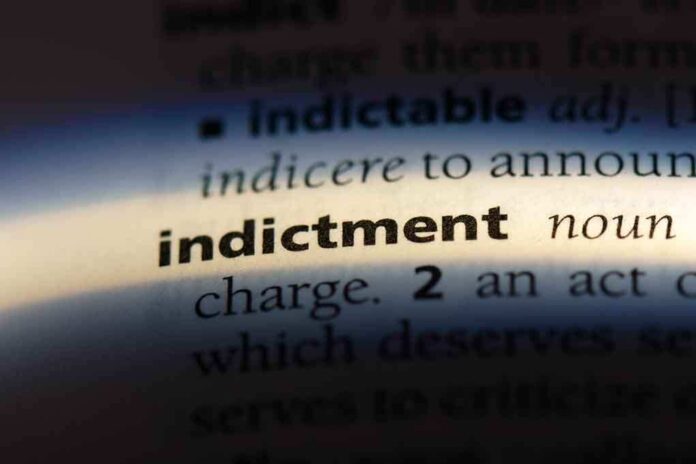
An unprecedented indictment of former FBI Director James Comey intensifies the battle over justice and politicization in America.
Story Highlights
- James Comey, former FBI Director, indicted for unauthorized disclosure of sensitive information.
- The indictment is seen as a culmination of Donald Trump’s long-standing pressure campaign.
- This case raises questions about the politicization of justice and its implications for law enforcement.
- Concerns arise over the precedent set by prosecuting former top officials.
Indictment of a Former FBI Director
In a historic move, a federal grand jury has indicted James Comey, the former FBI Director, on charges related to the unauthorized disclosure of sensitive information. This indictment follows years of public and political pressure from former President Donald Trump and his supporters, who have consistently accused Comey of misconduct during his tenure. The allegations primarily focus on his handling of investigations into the Trump campaign and Hillary Clinton’s emails, which have been a source of controversy since 2016.
The indictment of Comey marks a significant development in the ongoing debate over the politicization of justice. Trump and his allies view this as a vindication of their efforts to hold Comey accountable, while critics argue that it represents a dangerous precedent of using legal mechanisms to settle political scores. The charges bring to the forefront the delicate balance between enforcing federal law and maintaining the independence of law enforcement agencies.
Historical Context of Political Pressure
James Comey’s tenure as FBI Director was marked by high-profile investigations into Hillary Clinton’s private email server and Russian interference in the 2016 election. His public statements during these investigations drew criticism from both sides of the political aisle. The controversy escalated when Trump fired Comey in May 2017, leading to Comey’s testimony before Congress and the release of memos documenting his interactions with Trump. These actions have been under scrutiny ever since, with Trump and his allies repeatedly calling for Comey’s prosecution.
The indictment comes amidst a highly polarized political environment, echoing past incidents such as the prosecution of former CIA Director David Petraeus for mishandling classified information. However, the prosecution of a former FBI Director is unprecedented, highlighting the complex power dynamics and relationships at play. This case could potentially influence the future conduct of law enforcement officials and the handling of sensitive investigations.
Implications and Reactions
In the short term, this indictment is likely to heighten political tensions and renew debates over the independence of the Department of Justice (DOJ) and the scope of prosecutorial discretion. Legal scholars and former DOJ officials are divided, with some expressing concern over the potential chilling effect on law enforcement, while others argue that legal accountability is necessary if laws were indeed violated.
Long-term implications include the potential impact on public trust in federal institutions and the precedent it sets for prosecuting former agency heads. This case serves as a test of institutional resilience and the separation of powers, with both sides of the political spectrum using it to advance their narratives about justice and accountability. As legal proceedings begin, all eyes remain on this high-profile case and its ramifications for the future.