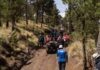


Two young hikers nearly froze to death on Mount Shasta, trapped for 36 hours between icy cliffs before rescuers pulled them to safety.
Quick Take
- A 19-year-old man and 20-year-old woman called for help from 11,000 feet on Mount Shasta late on October 12.
- Temperatures dropped to around 14-16°F while the pair waited for rescue with little food, water, or warm clothing.
- Searchers found them a day later trapped between 30- and 50-foot cliffs in Cascade Gulch, far off their planned route.
- Both hikers climbed out with help and were reported uninjured after the roughly 36-hour ordeal.
- The rescue adds to a string of recent emergencies on the mountain, raising fresh questions about wilderness preparation.
Distress Call Comes From High on the Mountain
The two hikers reached the Siskiyou County Sheriff’s Office by phone at roughly 10:20 p.m. on October 12. They said they were stuck at about 11,000 feet in Avalanche Gulch, a steep section on Mount Shasta’s southern face. They told dispatchers they were freezing and did not have enough food, water, or clothing for the cold night ahead.
Officials say the pair had set out on what was meant to be a day hike but got lost while heading back down the mountain. Somewhere along the way, they drifted from Avalanche Gulch into nearby Cascade Gulch, putting them off the known trail system and deep into rougher terrain.
Rescuers Fight the Clock in Dangerous Terrain
Search teams moved in quickly once the call came through, deploying ground crews, aircraft, and a second search team to comb the slopes. A U.S. Forest Service climbing ranger also joined the hunt through the gulch areas, working against falling temperatures and tough footing on the mountain.
Searchers finally heard the hikers shouting around 4 p.m. on October 13, nearly 18 hours after the first distress call. The pair was found at the bottom of Cascade Gulch, boxed in by cliffs between 30 and 50 feet high and about 1,000 feet from the McBride Springs Trail.
By the time crews reached them, the hikers had spent close to 36 hours exposed to brutal mountain weather, with readings as low as 14 to 16°F at the elevations where they were stranded. The Sheriff’s Office said both hikers were able to climb out of the gulch on their own with help from rescuers, and neither needed emergency medical treatment at the scene.
A Mountain With a Growing Reputation for Trouble
Mount Shasta has become a repeat stage for dramatic rescues this year, with this incident marking the third search operation tied to the mountain within a single month. That pattern points to a wider problem: inexperienced hikers underestimating a 14,000-foot peak known for sudden weather swings, confusing terrain, and routes that look easy from the trailhead but turn deadly once daylight fades.
Mountain guides have long pushed climbers to stick to a strict turnaround time, generally recommending an alpine start before dawn and a hard cutoff around midday to ensure enough daylight remains to hike back out safely. Nothing in the official account states whether these two hikers were briefed on that guidance or chose to push past it. What is clear is that they ended up far from the trail after dark, in conditions that turned a day hike into a life-threatening ordeal.
Taxpayer-Funded Rescues Carry Real Costs
Search-and-rescue operations like this one are typically free to the public, carried out by sheriff’s deputies, volunteer teams, and federal personnel rather than billed directly to those who get lost. That system reflects a basic American principle: no one should hesitate to call for help out of fear of a bill. But it also means taxpayers and volunteer crews absorb the cost every time a hiker heads into dangerous terrain without proper planning.
A day hike on Mount Shasta turned into a much longer ordeal.
Search crews spent Tuesday looking for the two hikers, and SCSO says the rescue comes amid growing concern about conditions on Avalanche Gulch.https://t.co/GIIcgKqvvj#MountShasta #SiskiyouCounty pic.twitter.com/EjqU9118N1
— Jefferson Daily News (@JeffDailyNews) October 15, 2026
This rescue ended the way every one of them should: two hikers alive, uninjured, and reunited with their families. Credit belongs to the deputies, aircraft crews, and Forest Service rangers who spent a freezing night and day combing cliffside gulches for two strangers. Their work is a reminder that personal responsibility on the trail, respecting turnaround times, carrying proper gear, and telling someone your plan, remains the first line of defense long before any rescue team gets the call.
Sources:
siskiyou.news, latimes.com, abcnews.com, people.com, nypost.com, redding.com, kutv.com, upr.org, wmtw.com
© conservativefreepress.com 2026. All rights reserved.