Iran’s mine-laying threat in the Strait of Hormuz just met a hard stop—and the world’s energy lifeline may have avoided a man-made chokehold.
Story Snapshot
- U.S. forces destroyed 16 Iranian mine-laying vessels near the Strait of Hormuz after intelligence indicated preparations to deploy mines.
- The Strait of Hormuz carries roughly 20% of global oil transit, making even a limited mining campaign a high-impact economic weapon.
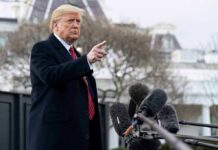
- President Trump publicly warned of “severe military consequences” if Iran attempted to mine the strait.
- Officials described the strikes as part of intensified U.S. operations, while some public messaging on tanker escorts was later clarified.
Preempting a Maritime Choke Point With High Economic Stakes
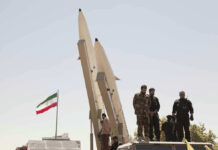
U.S. military strikes on Tuesday, March 10, 2026 destroyed 16 Iranian naval vessels identified as mine-layers operating near the Strait of Hormuz. U.S. officials described the action as intelligence-driven and preventive, aimed at stopping an Iranian attempt to seed the waterway with mines before any closure could begin. The strait is a strategic bottleneck for energy trade, and mining it can disrupt shipping without a conventional naval battle.
President Donald Trump amplified the deterrence message publicly, warning of serious consequences if Iran laid mines and framing the strikes as a proactive response. Early public remarks referenced 10 vessels destroyed, but subsequent reporting aligned the total at 16, reflecting a fast-moving operational picture. The basic claim across coverage remains consistent: U.S. forces targeted capabilities that could have been used to threaten a critical global shipping lane.
Why Mining the Strait of Hormuz Is a Classic Iranian Pressure Tactic
The Strait of Hormuz has a long history as a pressure point, especially when Iran seeks leverage without matching U.S. naval power ship-for-ship. During the 1980s “Tanker War,” Iranian mining escalated risk for commercial traffic and helped trigger major U.S. escort and protection efforts. The precedent most Americans remember is 1988, when the USS Samuel B. Roberts struck a mine, underscoring how a relatively cheap weapon can impose outsized costs and fear.
That history matters because mines do not need to “win” a war to cause immediate global consequences. A credible threat can spike insurance rates, reroute tankers, slow port schedules, and shake energy markets. The research indicates U.S. officials said no mines had yet been detected in the water at the time of the strikes, which is central to the debate: supporters see lawful defense of commerce, while critics may question acting before mines are deployed.
Operation Tempo, Messaging Confusion, and What’s Confirmed
Reporting described the strikes as occurring amid an intensified phase of U.S. operations, with senior officials using language such as “most intense day” to characterize the pace of action. At the same time, public messaging showed some friction: a post involving tanker escorts was deleted and later clarified, with officials indicating escorts had not yet begun. That distinction is important because escort operations signal a broader, longer-term commitment and can widen confrontation risks.
On the Iranian side, officials made sweeping allegations about casualties and damage, including claims of extensive civilian deaths and thousands of sites hit. The research also notes Iran’s internal security posture hardening, with Iranian leadership vowing to treat protesters as enemies. Those claims and statements illustrate the propaganda and domestic-control dimensions that often accompany regional conflict, but independent verification of casualty totals was not established in the provided materials.
Constitutional-Values Lens: Energy Security, Deterrence, and Avoiding Open-Ended Commitments
For Americans who lived through years of inflation and economic instability, a disruption in a corridor handling about one-fifth of global oil transit is not an abstract foreign-policy issue—it can translate into higher prices at home. From a limited-government perspective, preventing a deliberate shipping crisis can be seen as protecting the public from avoidable economic harm. The research frames U.S. action as deterrence: removing the mine-laying capability before it becomes an active hazard.
At the same time, the reporting also shows why clarity matters. If public communications about escorts or expansion are inconsistent, trust erodes and markets can overreact. The strongest factual takeaway available is narrow: U.S. destroyed vessels described as mine-layers, and officials said mines were not yet in the water. Beyond that, larger claims—about civilian targeting or the scale of destruction—should be treated cautiously until independently confirmed.
What Comes Next: Shipping Risk, Escalation Management, and Verification Gaps
The immediate tactical impact is straightforward: fewer Iranian platforms are available to deploy mines quickly. The strategic impact is more uncertain, because Iran can respond asymmetrically and because the broader U.S.-Iran conflict environment remains active in the research summary. If Iran attempts alternative disruption—drones, seizures, or proxy activity—shipping risk could remain elevated even without mines. That makes naval readiness and clear rules of engagement central in the days ahead.
U.S. strikes 16 Iranian mine-laying vessels near Strait of Hormuz https://t.co/ryYJWP9g2L
— Dimsumdaily Hong Kong (@dimsumdaily_hk) March 11, 2026
The research also points to the key limitation readers should keep in mind: some of the most dramatic claims in the information stream are contested or unverified. What is well supported is the U.S. assertion of preemption based on intelligence and the strategic rationale tied to keeping Hormuz open. As the administration signals deterrence, the main accountability question becomes whether actions stay tightly focused on maritime security rather than drifting into an open-ended regional escalation.
Sources:
https://www.axios.com/2026/03/10/hormuz-strait-mines-war-trump
https://www.foxnews.com/video/6390729632112