

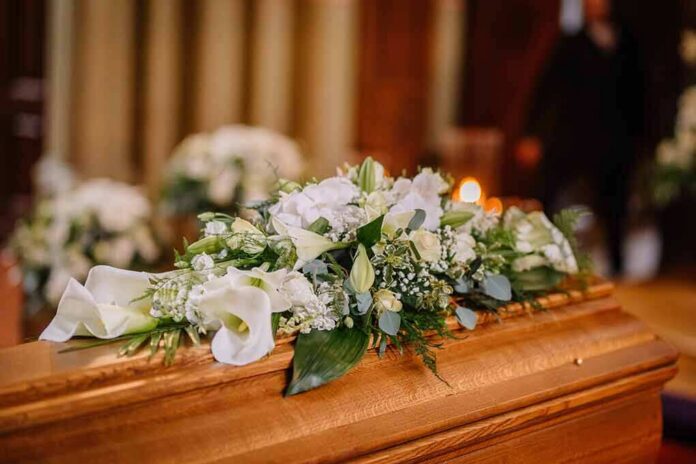
A Louisiana family says they buried the wrong grandmother, and the body was cremated before anyone could prove who it was.
Story Snapshot
- The English family says a woman in their casket looked like another local grandmother, Jean Mims.
- Funeral-home staff reportedly assured the family the body was Gloria English despite doubts.
- Mims’s family says the funeral home later could not find her body; an investigation opened.
- The cremation means definitive DNA or visual checks may be impossible, raising oversight concerns.
What Sparked The Dispute In Shreveport
Relatives of Gloria English held a private funeral at Heavenly Gates in Shreveport on November 12. Family members viewed the woman in the casket and raised doubts, saying she did not look like English. Staff at the funeral home reportedly assured them the remains were correct. After the service, relatives compared the casket photo with images of another local woman, Jean Mims, and believed the face matched Mims more closely.
Mims’s family reported a separate problem days later. They said Heavenly Gates told them it could not find Mims’s body before her scheduled funeral. The Caddo Parish coroner said the funeral home contacted his office and reported that a mix-up had occurred. State regulators opened an investigation into the funeral home following these complaints. Officials have not released final findings or a timeline for results.
Why Proof May Be Hard To Find Now
The body shown at the English funeral was cremated soon after the service. That step removed the most direct path to confirm identity through new viewing or most DNA tests. The New York Post reported that there was no definitive way to confirm whether the casketed decedent was English or Mims after cremation. That gap has kept the case driven by photos, paperwork, and testimony instead of lab results.
Families can mistake appearances after death. Embalming, illness, makeup, swelling, and lighting can change how a person looks. Research on post-death errors shows that mix-ups, while uncommon, do happen across large systems. A peer-reviewed review found multiple cases of wrong-body release or procedures due to identification failures. These are incident counts, not rates, but they confirm the risk when checks break down.
What The Funeral Home And Regulators Say They Are Doing
Heavenly Gates issued a public apology to both families and said it is investigating. The funeral home did not publicly confirm whether a body mix-up happened or explain the “paperwork” problem the English family says arose when they tried to collect ashes. The Louisiana State Board of Embalmers and Funeral Directors regulates funeral homes and crematories and has opened a case. The board enforces state law and identification rules meant to prevent errors like this.
Louisiana rules require strict identification and documentation, including casket and cremation controls. When these steps fail, consequences ripple through families for years. The state board’s mission includes inspecting facilities, reviewing complaints, and ordering corrective actions when needed. The investigation could examine intake logs, identification tags, embalming records, transfer receipts, crematory orders, and final release paperwork to trace the chain of custody for each decedent.
Why This Matters Far Beyond One Funeral Home
This case hits a raw nerve across the political spectrum. People expect basic competence and honesty when saying goodbye to loved ones. When bodies go missing or get mislabeled, it feeds a wider view that systems protect themselves first and families last. Both conservatives and liberals see a government that too often reacts only after harm is done. Clear rules exist, but they mean little without consistent checks, audits, and real accountability when they fail.
Readers should watch for three concrete outcomes. First, whether regulators publish a clear timeline of events tied to documents. Second, whether the board orders fixes that can be verified, like bar-code tagging and dual-witness signoffs at each handoff. Third, whether families receive transparent answers, not legal phrases. Until then, the hard truth remains: a family is left without certainty about a final goodbye, and trust in a core life ritual took a public hit.
Sources:
nypost.com, ksla.com, newsmediahouse.com
© conservativefreepress.com 2026. All rights reserved.