
Sanctioning a United Nations official for criticizing Israel’s war in Gaza? That’s not a plot twist from a dystopian novel—it’s the latest headline out of Washington, and it’s exactly the kind of story that leaves anyone who cares about American sovereignty and common sense shaking their head.
At a Glance
- The U.S., under Secretary of State Marco Rubio, has imposed sanctions on U.N. Special Rapporteur Francesca Albanese for her criticism of Israeli actions in Gaza and advocacy at the International Criminal Court.
- Albanese faces a U.S. travel ban and asset freeze, marking an escalation in the U.S. response to perceived anti-Israel bias in the U.N. and international legal bodies.
- The move is drawing applause from pro-Israel and national security advocates, but outrage from international human rights groups.
- This action continues a broader trend of the U.S. pushing back—hard—against what it sees as “lawfare” targeting America and its allies.
Sanctions Drop on U.N. Official: The Background and the Blowback
On July 9, 2025, Secretary of State Marco Rubio announced sanctions on Francesca Albanese, the U.N. Special Rapporteur on the situation of human rights in the Palestinian territories. Her crime? Daring to call out Israel’s military response in Gaza and pressuring the International Criminal Court to issue arrest warrants for Israeli officials. Apparently, in today’s world, speaking out at the U.N. can get you sanctioned if you pick the wrong targets—especially if those targets are U.S. allies and you’re a little too enthusiastic for the taste of Washington’s top diplomats.
Rubio’s office wasted no time spelling it out: the sanctions will block Albanese’s assets in the United States and bar her from setting foot on American soil. The justification? Her “illegitimate and shameful efforts” to prompt the ICC to target U.S. and Israeli officials and companies. This isn’t the first time the U.S. has thrown its weight around to protect its favored partners from international scrutiny, but it’s certainly one of the most direct shots at a U.N. human rights official in recent memory.
Who Pays the Price: Allies, Enemies, and American Priorities
The Albanese saga didn’t begin in 2025. She’s been a lightning rod since her appointment in 2022, especially after the October 7, 2023, Hamas attack on Israel set off the Israeli invasion of Gaza. Albanese’s mandate comes from the U.N. Human Rights Council, a body the U.S. and Israel routinely accuse of anti-Israel bias. Albanese, for her part, has called for arms embargoes and sanctions against Israel, accused the country of genocide, and even criticized Western companies for allegedly enabling Israeli military actions. Unsurprisingly, Israel banned her from entering in early 2024, and U.S. officials have repeatedly called for her removal.
Now, with the ICC issuing arrest warrants for Israeli leaders—including Prime Minister Benjamin Netanyahu—the U.S. is circling the wagons. Rubio’s move is a clear warning to international bureaucrats: if you go after America or its friends, expect consequences. Human rights groups, including Amnesty International, are up in arms, calling the sanctions a “disgraceful affront to international justice.” But for many Americans, who’ve watched global bodies lecture the U.S. on everything from border security to the Second Amendment, this might finally look like some overdue backbone.
Sanctions as a Blunt Instrument: The Real Agenda
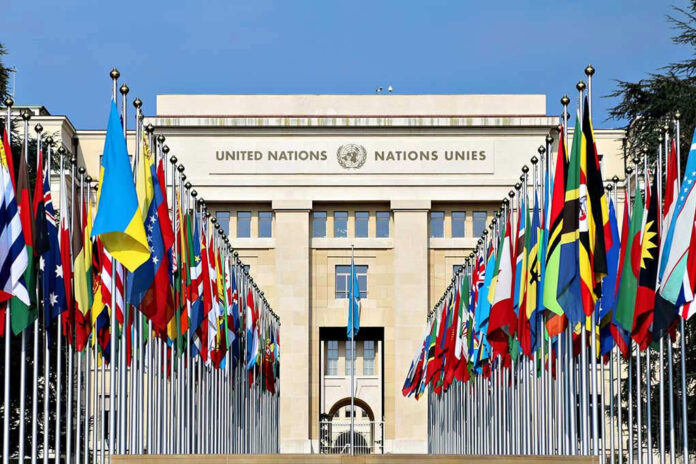
Let’s not kid ourselves—these sanctions are about more than one Italian scholar mouthing off at the U.N. They’re about drawing a line in the sand: the U.S. will not stand by while “lawfare” is waged against its officials or its allies. The precedent goes back to the Trump administration, which sanctioned ICC officials for investigating American actions in Afghanistan. Rubio and his backers are simply doubling down, making it clear that American sovereignty isn’t up for negotiation—especially not in the courtrooms of The Hague or the halls of Geneva.
The practical impact on Albanese is real but limited: she can’t travel to the U.S., and any assets here are frozen. The symbolic impact, however, is massive. The U.S. is telling the world’s so-called human rights experts, “Take your agenda somewhere else.” For those frustrated with endless lectures from unelected globalists, it’s about time someone put their foot down. Critics will howl about undermining international law. Supporters, meanwhile, see it as a welcome defense against the erosion of national sovereignty and the weaponization of international institutions for political ends.