
Mike Waltz’s confirmation as U.S. Ambassador to the United Nations signals a major shift in American diplomatic strategy, aligning with conservative values and agendas.
Story Highlights
- Mike Waltz confirmed as U.S. Ambassador to the UN just before the UNGA.
- The confirmation follows a contentious Senate nomination process.
- This appointment reflects a shift in U.S. diplomatic stance under Trump.
- Waltz’s role aligns with “America First” policies and UN reform.
Waltz’s Confirmation and Its Implications
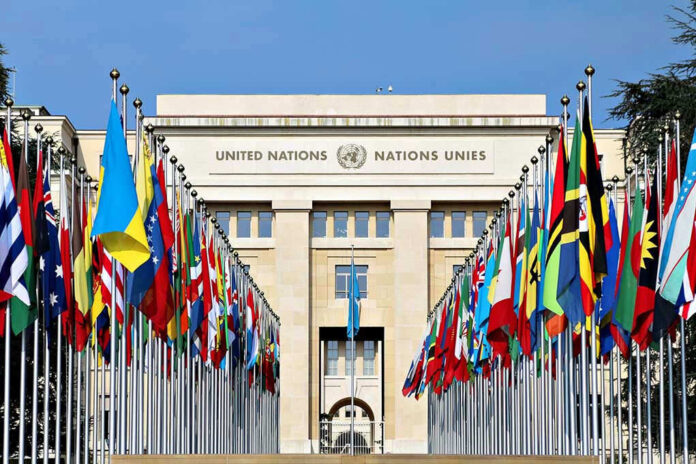
The Senate confirmed Mike Waltz as the U.S. Ambassador to the United Nations just days before the UN General Assembly in September 2025. Waltz, a former National Security Advisor and Congressman, was confirmed following a narrow 12-10 vote in the Senate Foreign Relations Committee. His appointment marks a significant shift in U.S. diplomatic strategy at the UN, aligning with President Trump’s “America First” policies and promises to reform the UN.
Waltz’s rapid transition from National Security Advisor to UN Ambassador within the same year reflects his close alignment with Trump’s administration. His confirmation, achieved despite a contentious Senate process, positions him to immediately represent U.S. interests at the UN. This strategic timing allows the U.S. to present a strong front at the UNGA, emphasizing security and reform, key concerns for the conservative audience.
Political Dynamics and Senate Maneuvering
The confirmation process for Waltz was marked by significant political maneuvering. While the Republicans largely supported the nomination, Democrats expressed concerns over Waltz’s assertive stance and alignment with Trump’s policies. Despite this, bipartisan support from figures like Senator Jeanne Shaheen helped advance the nomination. This reflects the complex dynamics in the Senate, where partisan lines often blur in foreign policy matters.
The U.S. Senate’s role in confirming Waltz underscores the ongoing partisan tensions but also highlights areas of potential bipartisan cooperation in foreign policy. Waltz’s appointment is a testament to the administration’s commitment to pushing back against multilateralism and focusing on national interests, a stance that resonates with conservative values of sovereignty and limited government.
Impact on U.S. and UN Relations
Waltz’s appointment is expected to have both immediate and long-term effects on U.S.-UN relations. In the short term, it ensures the U.S. has a robust advocate at the UNGA, likely resulting in more assertive American positions on global issues. In the long term, this could lead to increased tensions between the U.S. and other UN member states, particularly concerning funding and reform agendas.
International NGOs and agencies that rely on U.S. support may face challenges as Waltz pushes for greater accountability and reform. The broader diplomatic community will need to adapt to a more transactional approach from the U.S., potentially leading to shifts in global alliances and diplomatic practices.
Sources:
Senate confirms Mike Waltz as Trump’s U.N. ambassador
Senate confirms former national security adviser Mike Waltz
Mike Waltz confirmed as UN ambassador in bipartisan vote
US Senate confirms Waltz as UN ambassador after months of delays
Senate confirms Mike Waltz as Trump’s ambassador to the UN