
Iran’s drone strikes on Bahrain and a tanker in the Strait of Hormuz show how fast this war can choke off oil, hit your wallet, and test Trump’s promise to protect American forces and freedom of navigation.
Story Snapshot
- Iran’s Revolutionary Guard is widening attacks on Bahrain and ships near the Strait of Hormuz after new U.S. strikes.
- Bahrain says Iranian drones violated its sovereignty and targeted areas near the U.S. Fifth Fleet.[2]
- A tanker was hit by a projectile in Hormuz as Iran pushes its claim to control traffic in the vital waterway.[1]
- These clashes threaten global oil flows, gas prices, and test Trump’s vow to stop Iran from closing the strait.[9]
Iran Escalates With Drone Strikes on Bahrain and Gulf Shipping
Bahrain reported that several drones targeted its territory at dawn, and officials blamed Iran’s Revolutionary Guard for the attack.[2] The strike came just hours after the U.S. military hit Iranian missile and drone storage sites and coastal radar stations in response to an earlier Iranian drone strike on a cargo ship in the Strait of Hormuz.[2] Iranian state media said the Guard had attacked “U.S.-linked” locations in the region, but did not clearly admit hitting Bahrain, keeping their message vague while tensions rose.[1]
Bahrain’s Foreign Ministry called the drone incident a “flagrant violation” of its sovereignty and a direct threat to national security.[2] The kingdom did not report major damage, but the symbolism matters: Bahrain hosts the U.S. Navy’s Fifth Fleet, so any strike there sends a message to Washington as well as the Gulf.[2] As regional partners like Egypt and Kuwait condemned Iran’s behavior, Gulf states warned that Tehran was “exporting chaos” instead of respecting borders and peace efforts, raising fears of a wider fight.[2]
Strait of Hormuz Under Fire and Iran’s Push for Control
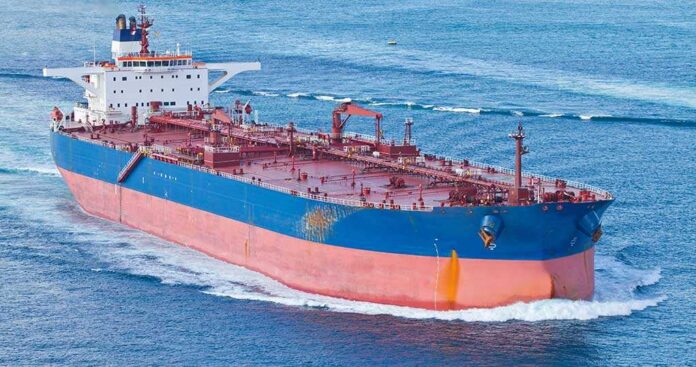
At the same time, a commercial tanker transiting the Strait of Hormuz was struck by an unidentified projectile, adding another dangerous incident in one of the world’s most important shipping lanes.[1] Maritime reporting offices said the ship was hit but remained afloat, and suspicion immediately focused on Iran because of its recent warnings and prior drone attacks on tankers in the region.[1] Iran’s state media reiterated that the strait is “governed by Iran,” and officials warned ships not to cross without Tehran’s permission, claiming sovereignty far beyond normal international rules.[5]
Those threats matter because nearly one-fifth of the world’s oil and large volumes of natural gas move through the Strait of Hormuz.[10] Since the broader Iran war flared after U.S. and Israeli strikes, at least 21 ships have been hit or targeted, and many tanker operators have paused shipments rather than risk drone or missile fire.[10][9] Analysts say there is no formal blockade, but constant attacks and warnings from Iran have made captains think twice about sailing, which keeps global energy prices high and makes American families pay more at the pump.[10]
Trump’s Military Response and the Battle Over “Self-Defense” Narratives
U.S. Central Command said American forces shot down several Iranian one-way attack drones and then struck Iranian missile and drone depots and coastal radar sites after the attack on a Singapore-flagged cargo ship in Hormuz.[2][18] The military described Iran’s strike on commercial shipping as “unwarranted aggression” that violated the ceasefire and threatened freedom of navigation through the international trade corridor.[2] President Trump and his commanders framed the action as self-defense and a warning that Iran cannot hit civilian vessels or U.S. partners without facing real consequences.[18]
US Central Command Statement
U.S. Forces Conduct Additional Strikes After Iran’s Latest Commercial Ship Attack
TAMPA, Fla. — U.S. Central Command (CENTCOM) forces conducted additional strikes against multiple targets in Iran, June 27, at the Commander in Chief’s direction.… pic.twitter.com/AhsW7qmzad
— Chikhi Cato (@husseinMBChB) June 28, 2026
Iran answered by claiming its Revolutionary Guard attacked U.S.-linked bases and targets in Bahrain, Kuwait, and the Gulf as retaliation, again using the language of “self-defense” and “response” rather than open escalation.[3][2] This fits a long pattern in the region, where Iran justifies most of its strikes as revenge for sanctions or air raids, while the U.S. and Gulf states stress their own right to self-defense and call Iranian moves “ceasefire violations.”[1] For ordinary Americans, the key point is simple: every round of this tit-for-tat raises the risk to U.S. troops, disrupts trade routes, and pushes energy prices higher.
What It Means for American Security, Energy Costs, and Constitutional Values
The current fighting shows how vulnerable the Gulf still is, even after decades of U.S. presence and billions spent on defense.[4] Experts warn there is no way to protect every ship or oil facility from drones, missiles, and possible mines, especially in a narrow lane like Hormuz where Iran sits right on the coast.[4][9] U.S. intelligence believes Tehran has thousands of naval mines ready, and any large-scale use could slow shipping to a crawl and give Iran deniability, making it harder to prove who caused each incident.[9]
For constitutional conservatives, this crisis raises hard questions about war powers, spending, and clear missions. Trump’s administration is now responsible for protecting American forces, keeping trade lanes open, and avoiding endless conflict that drains the budget and fuels inflation. Voters expect strong action against Iran’s aggression but also transparency about objectives, costs, and limits on globalist entanglements. As Iran tests U.S. resolve in Bahrain and Hormuz, patriots will watch closely to ensure our government defends American lives, economic freedom, and the rule of law without sliding into another open-ended Middle East war.
Sources:
[1] Web – Mideast Fighting Widens With Attacks on Bahrain, Hormuz Tanker…
[2] Web – Iran war news: Iranian drones attack Bahrain and a ship is struck in …
[3] Web – Iran fires drones at Bahrain, oil tanker hit in Hormuz as clashes test …
[4] Web – Mideast Fighting Widens With Attacks on Bahrain, Hormuz Tanker
[5] YouTube – Iran Fires Drones At Bahrain In Tit-for-Tat Strikes With US …
[9] Web – U.S. Navy Analysis Confirms Iranian Link to Drone Attack
[10] Web – U.S. Navy Analysis Confirms Iranian Link to Drone Attack – centcom
[18] YouTube – U.S. struck Iran in retaliation for a drone attack on a cargo …
© conservativefreepress.com 2026. All rights reserved.