Venezuelan President Nicolás Maduro’s hiring of Julian Assange’s lawyer raises eyebrows as he prepares for a U.S. court showdown.
Story Snapshot
- Nicolás Maduro hires Barry J. Pollack, known for representing Julian Assange.
- Maduro faces charges of narco-terrorism and other serious offenses.
- U.S. forces captured Maduro, describing him as an “ousted leader.”
- Pollack’s involvement suggests a high-stakes legal battle ahead.
Maduro’s Legal Strategy: A High-Profile Defense
Venezuelan President Nicolás Maduro has retained Barry J. Pollack, a prominent U.S. criminal defense attorney, as he faces a series of serious charges in the United States. Pollack is well-known for his defense of WikiLeaks founder Julian Assange, a case that drew international attention. This legal move comes just days before Maduro’s first court appearance following his capture by U.S. forces. The charges against him include narco-terrorism conspiracy, cocaine importation and exportation, and possession of machine guns.
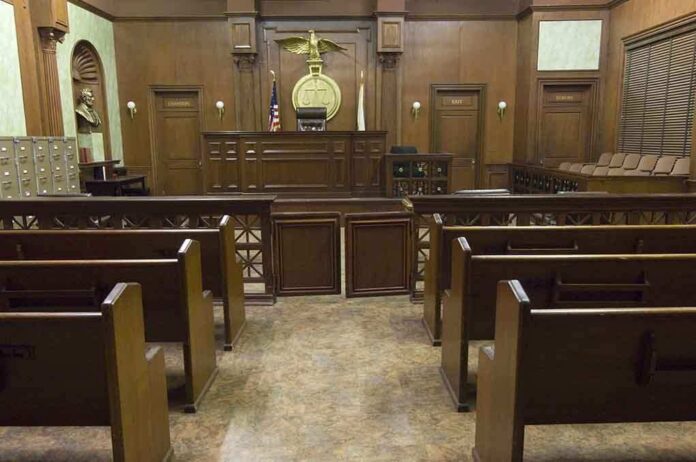
Maduro, who has been labeled an “ousted leader,” appeared in court alongside his wife, Cilia Flores, both pleading not guilty to the charges. The case is being overseen by 92-year-old Judge Alvin Hellerstein, known for his long tenure at the Southern District of New York. The charges against Maduro have roots extending back to 2020, highlighting longstanding U.S. concerns about his alleged involvement in international drug trafficking and terrorism.
The Implications of Pollack’s Involvement
Barry J. Pollack’s involvement in Maduro’s defense is significant, given his track record with high-profile cases like that of Assange. Pollack’s expertise in national security and defense matters suggests a formidable legal strategy could be in play. His past success in brokering a plea deal for Assange over the publication of U.S. secrets indicates potential negotiations might be on the horizon in Maduro’s case. The legal proceedings are expected to be closely watched as they unfold, given the implications for U.S.-Venezuelan relations and the broader geopolitical landscape.
The U.S. prosecution, led by an interim U.S. Attorney and a team experienced in narcotics and national security cases, aims to secure convictions that could have far-reaching consequences. The capture and prosecution of Maduro are seen as a significant step in addressing narco-terrorism and could impact the power dynamics within Venezuela, potentially creating a power vacuum and influencing the country’s political future.
Broader Impact and Future Developments
The legal battle involving Maduro is not just a matter of criminal defense; it is a political and diplomatic event with potential ramifications for both Venezuela and the United States. In the short term, the legal proceedings could delay any resolution to the power vacuum in Venezuela, while a conviction would reinforce the U.S. stance on Maduro’s regime as a narco-terror entity. This case underscores the ongoing struggle against international drug trafficking and its ties to political regimes, as well as the U.S. commitment to enforcing legal consequences for such activities.
As the proceedings continue, observers are keenly watching for any developments that could shift the balance of power in Venezuela or alter the U.S.’s approach to similar cases in the future. The outcome of this high-profile case could set precedents for how the U.S. handles foreign leaders accused of narco-terrorism and related crimes.
Sources:
CBS News – Nicolás Maduro and Cilia Flores Lawyers