

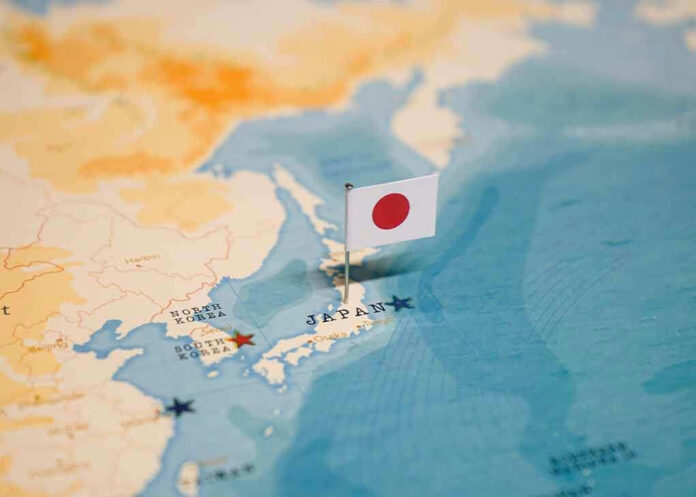
If you think Japan’s record-shattering 21.5 million tourist arrivals in just six months is wild, wait until you hear how a manga-fueled earthquake rumor tried to derail the party—and what Japan’s doing to keep the travel bonanza rolling.
At a Glance
- Japan smashed previous tourist records with 21.5 million foreign visitors from January to June 2025
- A weak yen and pent-up post-pandemic demand drove the surge, with spending soaring to nearly $17 billion in the second quarter alone
- Overtourism and misinformation—like a viral earthquake scare—are creating new headaches for Japan’s most popular destinations
- The government aims to double down with a 60 million visitor target by 2030, but must balance growth with sustainability
Japan’s 2025 Tourism Tsunami: Record Numbers, Real Challenges
Japan’s tourism industry has always been a master of reinvention, but 2025 has unleashed a spectacle nobody could have scripted. The first half of the year saw a jaw-dropping 21.5 million foreign arrivals, a 21% leap over last year’s record pace. June alone crammed 3.4 million globe-trotters into sushi bars, bullet trains, and ancient temples, all while locals tried to keep their zen. What’s driving this stampede? The yen’s been in a slump, making everything from ramen to ryokans feel like a discount spree for travelers. Add to that a global “revenge travel” fever, and Japan became the must-snap selfie spot of the year.
https://www.youtube.com/watch?v=1hRufdWnNzE
Tourist cash is rolling in at an unprecedented rate—foreign visitor spending hit nearly 2.5 trillion yen, or about $16.8 billion, in just the second quarter. Hotels are bursting, trains are packed, and shopkeepers can’t keep enough KitKats on the shelves. Yet, this isn’t just a feel-good story. The crowds are so thick in Kyoto’s geisha districts that locals are starting to feel like extras in their own city. The government, watching its 2030 goal to double annual arrivals to 60 million, is balancing dollar signs with the risk of full-blown overtourism.
Manga Mayhem: How an Earthquake Rumor Rocked Hong Kong Arrivals
Not every tourism trend is powered by wanderlust or favorable exchange rates. In a plot twist worthy of its own anime, Japan’s visitor stats took an unexpected hit from Hong Kong. A whopping 33.4% drop in arrivals came courtesy of a viral rumor predicting a devastating earthquake in July—sparked by a manga panel and turbocharged by social media. Hong Kong travelers, usually among Japan’s most enthusiastic fans, suddenly ghosted the country, prompting Japanese officials to mount a feverish campaign of reassurance. No tremors, no apocalypse, just a case study in how fast misinformation can rattle an industry built on trust and Instagram likes.
Japanese authorities didn’t just sit on their hands. They jumped into action, issuing repeated denials and partnering with travel agencies to calm jittery nerves. Meanwhile, the rest of Asia—particularly China, South Korea, Singapore, and India—kept on flocking in, undeterred by disaster fiction. The episode is a wake-up call: as tourism rebounds, Japan’s digital rumor control may need to be as robust as its Shinkansen schedule.
The Delicate Art of Growth: Overtourism, Local Pushback, and the Next Frontier
Japan wants more tourists, but not all in the same place at the same time. Kyoto’s charming lanes and Mount Fuji’s trails are ground zero for overtourism, with residents calling for visitor caps and stricter management. The government’s solution? Spread the love—nudge travelers toward lesser-known regions, tweak the timing, and invest in infrastructure that can handle the deluge. The Japan National Tourism Organization is doubling its marketing muscle to sell the hidden gems and off-peak adventures, hoping to keep both locals and tourists happy. If they pull it off, Japan could become a textbook case in sustainable tourism—if not, the spectacle of “tourist fatigue” could become its own viral export.
Behind the scenes, airlines, hoteliers, and travel agencies are scrambling to adapt. Digital services are expanding, multilingual support is getting a workout, and everyone from street vendors to luxury brands is rethinking how to serve a more diverse, demanding crowd. The stakes are high: get it right, and the economic windfall continues; get it wrong, and the backlash could rival any disaster fiction.
What Comes Next: Ambition, Adaptation, and the Global Spotlight
Japan’s 2025 surge is more than a numbers game—it’s a test of resilience and creativity. The world is watching as the country juggles explosive growth, the hazards of digital misinformation, and the realities of local life under the tourist spotlight. With a 60 million visitor goal by 2030, the pressure is on to keep the experience magical for newcomers and manageable for residents. For now, the yen remains weak, the cherry blossoms still draw crowds, and the lure of Japan’s unique blend of old and new endures. The big question: can the nation channel this tidal wave of interest into a golden era of tourism, or will the cracks start to show? One thing’s for sure—this is one travel story you’ll want to follow to the end.
Sources:
Xinhua: Japan sees record 21.5 million tourists in first six months
The Sun: Japan hits record 21.5 million tourists in first half of 2025
Mainichi: Japan logs record 21.5 mil. foreign visitors in Jan-June
Bluewin: More tourists than ever in Japan in the first half of the year