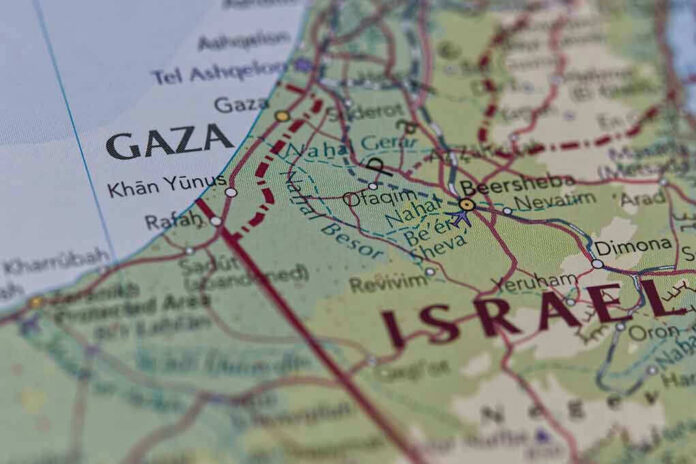
Trump’s new peace initiative with Netanyahu at the White House signals a dramatic foreign policy shift, reigniting hope for stability while raising fresh questions about America’s role in the Middle East and its conservative values at home.
Story Snapshot
- President Trump unveils a bold peace plan to end the Israel-Hamas war, with Netanyahu joining White House talks.
- The plan emphasizes an immediate ceasefire, humanitarian aid, and future negotiations, shifting from prior globalist approaches.
- U.S. diplomatic strength is restored as Trump puts America’s interests and allies first, countering years of weak leadership.
- Some critics question the plan’s long-term feasibility, but supporters see it as a return to principled, results-driven foreign policy.
Trump’s Leadership Reasserts American Strength Abroad
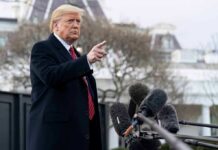
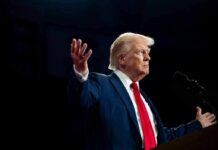
President Donald Trump’s return to the White House has already marked a decisive pivot from the previous administration’s globalist drift. In September 2025, Trump unveiled a comprehensive peace plan aimed at ending the years-long Israel-Hamas conflict. The White House summit saw Israeli Prime Minister Benjamin Netanyahu in attendance, underscoring renewed U.S.-Israel cooperation and the administration’s commitment to supporting America’s closest allies. This diplomatic momentum stands in stark contrast to the indecisive and apologetic stance that characterized U.S. foreign policy under leftist leadership, restoring respect for American strength on the world stage.
The peace plan, revealed during a joint press conference, includes proposals for an immediate ceasefire and robust humanitarian aid for civilians caught in the crossfire. By prioritizing a framework for future negotiations, the Trump administration signals a break with the failed half-measures of the past, putting national interests, constitutional principles, and the safety of allies first. Conservative Americans frustrated by years of woke virtue signaling and globalist priorities will find reassurance in Trump’s direct approach—one that recognizes the necessity of strength and clarity in foreign policy, especially in a region where weakness has consistently bred chaos.
Ceasefire and Humanitarian Relief: A New Approach to Peace
Trump’s plan is not just about halting violence; it’s about creating conditions for long-term stability. The proposal calls for phased withdrawals, humanitarian corridors, and prisoner exchanges, with the goal of establishing a sustainable peace. Netanyahu’s presence at the White House signals Israel’s willingness to engage, provided its security concerns are met. Initial reactions from Hamas have been skeptical, demanding guarantees on aid and political recognition. Despite this, international observers note a cautious optimism, reflecting widespread exhaustion with endless conflict and the hope that renewed American mediation can deliver real results where previous efforts have failed.
Negotiations are ongoing, with technical teams working to address implementation details amid continued sporadic violence. Humanitarian aid deliveries have increased, though access remains limited by persistent hostilities and mistrust among parties. For conservatives, the emphasis on real, measurable progress—and the willingness to hold all sides accountable—highlights a return to common-sense diplomacy. The administration’s clear-eyed focus stands in stark contrast to years of bureaucratic inertia and empty rhetoric that left American allies vulnerable and undermined U.S. credibility abroad.
Restoring Order at Home and Abroad
This renewed focus on principled leadership abroad is matched by a crackdown on chaos at home. With illegal immigration finally under control, border security restored, and constitutional rights protected, America can once again serve as a force for peace and stability on the world stage. The Trump administration’s willingness to challenge entrenched interests, defend the founding values of liberty and sovereignty, and reject the absurd excesses of woke ideology is resonating with millions of Americans who have grown weary of failed policies and government overreach. The Israel-Hamas peace plan becomes a symbol not only of hope for the Middle East, but also of a restored America — strong, respected, and true to its founding mission.
While critics and some international actors voice skepticism about the plan’s prospects, supporters point out that such opposition often comes from those who benefit from perpetual conflict or who resent a U.S. president willing to defy elite consensus. The plan’s success will depend on the willingness of all parties to commit to peace and the continued resolve of American leadership to see the process through. As negotiations proceed, one thing is clear: under Trump, the era of apologetic, passive American foreign policy is over, and conservative values are again guiding the nation’s approach on the world stage.