
A televised clash in Munich exposed how quickly “woke” ideology turns international security talks into a culture-war referendum.
Story Snapshot
- Hillary Clinton and Czech Deputy Prime Minister Petr Macinka exchanged sharp remarks during a Feb. 14, 2026 panel at the Munich Security Conference.
- The argument centered on gender identity debates, “woke” politics, immigration, Ukraine policy, and competing views of President Trump’s leadership.
- Clinton openly acknowledged she “really” doesn’t like Trump and said she opposes what he is doing to the U.S. and the world.
- Macinka criticized the “woke revolution,” urged calmer dialogue, and warned against labeling political opponents as “public enemies” using terms like “fascism” and “Nazism.”
What Happened on the Munich Stage—and Why It Went Viral
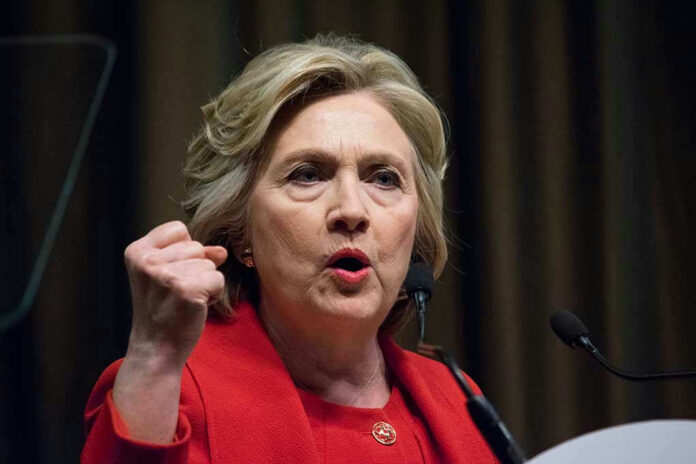
Hillary Clinton appeared on a panel at the Munich Security Conference in Germany on Saturday, February 14, 2026, and got into a heated, televised exchange with Czech Deputy Prime Minister and Foreign Minister Petr Macinka. Multiple outlets reported the moment spread quickly online, fueled by the blunt tone and the personal edge. The dispute moved from policy into cultural flashpoints, especially gender politics and the broader “woke” debate now dividing many Western governments.
Macinka directly challenged Clinton’s demeanor during the exchange, including telling her “Don’t be nervous,” according to reporting that highlighted how confrontational the panel became. Clinton responded with unusually candid admissions about President Trump, agreeing when Macinka suggested she doesn’t like him and then expanding that she also dislikes what he is doing to the United States and the world. That candor, combined with the setting, drove the clip’s shareability.
Gender Politics Turned Into the Flashpoint
Clinton steered parts of the argument toward women’s rights and gender framing, pressing with lines that questioned which gender was being discussed and whether women could “have our rights.” She also tied the topic to the Ukraine debate, arguing against “selling out” Ukraine while referencing “their two genders” in a pointed retort. The exchange reflects how progressive messaging often treats gender ideology as a non-negotiable moral baseline rather than a contested public question.
Macinka’s Case Against “Woke Revolution” and Name-Calling Politics
Macinka criticized what he described as a “woke revolution,” including gender identity disputes and climate activism, and argued that President Trump’s approach represents a reaction to politics that drifted too far from ordinary people. Reports also emphasized his call for Western leaders to stop branding ideological opponents as enemies, urging calmer debate and pushing back on routine use of labels like “fascism” and “Nazism.” His framing positioned today’s cultural fights as corrosive to democratic discourse.
Immigration and Ukraine Hovered Over the Entire Confrontation
The panel’s broader context included immigration policy, with reporting noting Clinton acknowledged the U.S. system had “gone too far” while still advocating humane reforms combined with secure borders. Ukraine policy also remained central, as Clinton defended continued support and used it as a counterpoint to Macinka’s criticisms. The sources do not supply independent expert analysis of policy outcomes, but they consistently portray the exchange as a proxy fight over Western identity and priorities.
What Conservatives Should Take From This Moment
The verified facts show a clear pattern: international elite forums increasingly become venues where cultural ideology is litigated in front of global audiences, and American figures export those talking points abroad. For conservatives who prioritize limited government and common-sense boundaries, the exchange underscores how quickly gender politics can displace concrete security discussions. At the same time, Macinka’s insistence on de-escalating rhetoric and ending “public enemy” branding points to a practical principle: democracies function best when disagreement isn’t criminalized.
DAAAMN: WATCH Hillary's Face As Czech Deputy PM Macinka Shuts Her DOWN in Heated Back and Forth on Gender https://t.co/L7pvDasWnw
— Marlon East Of The Pecos (@Darksideleader2) February 16, 2026
The coverage also highlights a key limitation: beyond direct quotes and broad topic descriptions, the reporting does not provide detailed, independent verification of the claims each side made about President Trump’s policies or their effects. What is clear is the political reality of 2026—Trump is back in the White House, and Clinton remains a prominent voice for the old progressive foreign-policy class. The viral blowup in Munich shows that “woke” politics is no longer a side issue; it is shaping alliances, arguments, and public trust.
Sources:
Hillary Clinton Gets in Heated Exchange With Czech Leader at Munich Security Conference