
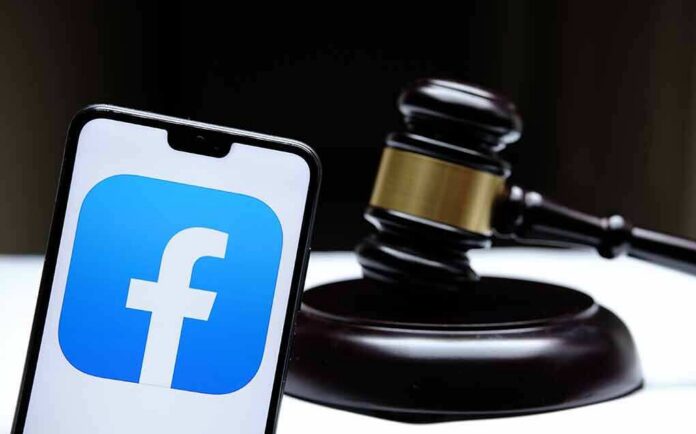
Meta agreed to pay about $17 billion and add teen safety changes to end a landmark state-led trial over harms to young users.
Story Snapshot
- State attorneys general said Meta designed Facebook and Instagram to hook teens and hid the harms.
- A federal judge let key addiction and concealment claims move forward before the settlement.
- The deal includes large payments and new safety steps on Meta’s platforms, according to state officials.
- The case caps years of suits over platform design and youth mental health.
What The Settlement Does And Why It Matters
State attorneys general announced that Meta will pay about $17 billion and strengthen child safety tools on Facebook and Instagram to resolve claims that its products harmed children and teens. Officials said the agreement ends a high-profile trial in Oakland, California, over teen social media addiction. The case accused Meta of using features that keep kids online and of hiding known risks. The settlement avoids a jury verdict but locks in money and policy changes for youth safety.
The payout ranks among the largest tech settlements tied to user harm. State officials framed the deal as both punishment and reform, citing the scale of youth use and reported mental health impacts. The resolution follows a wave of similar lawsuits by parents, school districts, and states, all focused on platform design choices like endless feeds and alerts that drive engagement. Those suits argue these features can worsen anxiety, depression, and self-harm in young users.
How We Got Here: The Claims And The Court
Dozens of states sued Meta in 2023 and 2024, saying the company knowingly built addictive features for minors and misled the public about harms. A federal judge later rejected Meta’s effort to dismiss core claims, allowing the states’ addiction and concealment theories to proceed toward trial. That ruling raised the stakes for Meta, since it meant a jury could hear testimony on internal practices and product design, including how the company measured and managed teen well-being.
The trial opened with testimony from former Meta engineering leader Arturo Béjar, who told jurors that leadership put growth and engagement over child safety and ignored warnings about harm to teens. His account echoed prior statements to Congress that algorithms and recommendations can push harmful content to minors. Béjar’s testimony helped anchor the states’ case that design, not just bad content, drives risk for teens on social platforms. Meta has previously said the lawsuits misportray its work to keep young people safe online.
The Bigger Picture: A New Legal Front On Platform Design
This case fits a broader trend: hundreds of individual suits, more than a hundred school district claims, and state actions target platform features as the cause of youth harm, not just what users post. Recent reporting and expert rulings show courts are weighing scientific evidence on how design choices affect young users. One court allowed most plaintiffs’ experts to testify about links between design and mental health outcomes, a sign these theories are getting traction.
/scan
Meta is on trial. The case is about design, data and disclosure.
Four states say Meta deliberately made Facebook and Instagram addictive to children and concealed the risks. Meta says it has worked to protect young users. The trial will test specific legal claims, not…
— BREAKLING (@BREAKLINGx) August 21, 2026
For families, the settlement could bring faster product changes that help limit harmful content and reduce compulsive use. For policymakers, it sets a template for future actions against large platforms. For Meta and the tech sector, it signals that state coalitions, not just federal agencies, can force major changes through litigation pressure. A prior jury verdict against Meta and YouTube in a separate case underscored that liability risk is now real, not theoretical.
What To Watch Next: Enforcement And Industry Ripple Effects
Attorneys general will need to enforce the safety steps and ensure the changes work for teens in practice. Schools and parents will watch whether time limits, content controls, and reporting tools are easier to use and harder to bypass. Other platforms could face similar claims if they rely on design patterns that boost engagement among minors. Analysts say potential losses across this litigation wave range widely, showing both near-term costs and large tail risk for tech firms.
Sources:
youtube.com, reuters.com, theguardian.com, capradio.org, npr.org, njoag.gov, judiciary.senate.gov, santafenewmexican.com, cnbc.com
© conservativefreepress.com 2026. All rights reserved.