
A Trump-appointed attorney’s unprecedented investigation targets former officials, raising questions about political motivations and the rule of law.
Story Overview
- A Trump-appointed attorney issues subpoenas for a ‘grand conspiracy’ case.
- The investigation targets former intelligence and law enforcement officials.
- Concerns arise about the politicization of the Justice Department.
- The legal basis and jurisdiction of the case in Florida are unclear.
- Upcoming grand jury proceedings are scheduled in Miami.
Subpoenas in the Spotlight
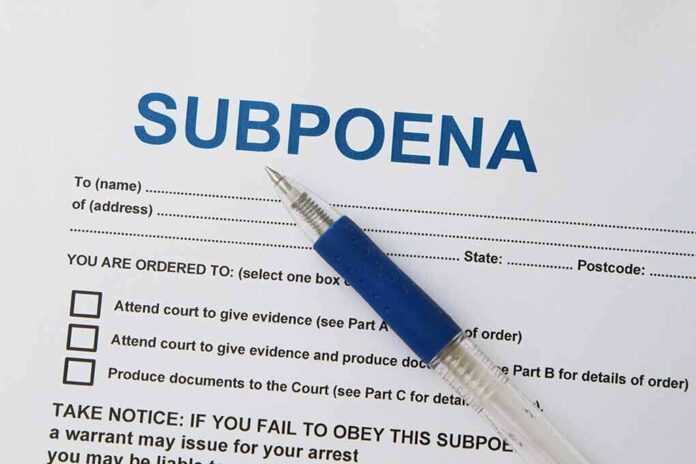
In a bold move, Jason Reding Quiñones, a Trump-appointed U.S. attorney in Florida, has issued over two dozen subpoenas targeting former intelligence and law enforcement officials. These subpoenas are part of a broader criminal inquiry into an alleged “grand conspiracy” by Trump’s critics and perceived political enemies. The investigation focuses on the origins and conduct of the investigations into Russian interference in the 2016 election. This action has reignited debates over the use of federal prosecutorial power for political purposes.
The subpoenas, issued in November 2025, target notable figures, including James Clapper, Peter Strzok, and Lisa Page. This move is seen as an effort by Trump loyalists to pursue legal action against those involved in the Russia investigation, which Trump and his allies have long claimed was a politically motivated “witch hunt.” The sweeping nature of the subpoenas, lacking clear specification of alleged crimes, has raised eyebrows among legal experts and commentators.
Political Ramifications
The decision to pursue the case in Florida, despite most relevant events occurring in Washington, D.C., has sparked questions about venue and jurisdiction. The Department of Justice’s internal divisions over the legitimacy of the investigation are evident, with two top prosecutors in Florida resigning over the case’s handling. These developments highlight the ongoing concerns about the independence of federal law enforcement under the current administration.
The investigation’s expansion and the setting of grand jury proceedings for January 12, 2026, in Miami, indicate the seriousness with which the Trump administration is pursuing this case. Trump allies have publicly celebrated the subpoenas, framing them as overdue justice and accountability for alleged abuses of power by former officials. However, critics argue this is a politicization of the justice system, aimed at settling political scores rather than upholding the rule of law.
Long-term Implications
The implications of this investigation are far-reaching, with potential effects on public trust in the Justice Department and broader democratic norms. The case may set a precedent for using federal law enforcement to target political opponents, raising concerns about the erosion of impartial justice. Legal experts warn of long-term damage to the rule of law if prosecutorial power is perceived as a tool for political retribution.
The broader intelligence and law enforcement communities may also feel the chilling effects of this investigation, with increased scrutiny and politicization of their work. As the legal proceedings unfold, all eyes will be on the outcomes of the grand jury and the DOJ’s handling of this controversial case.
Sources:
Trump-picked US attorney fires off subpoenas for ‘grand conspiracy’ case against president’s enemies
Trump loyalists push ‘Grand Conspiracy’ as new subpoenas land
Grand jury subpoenas issued for CIA, FBI officials in Trump Russia probe