
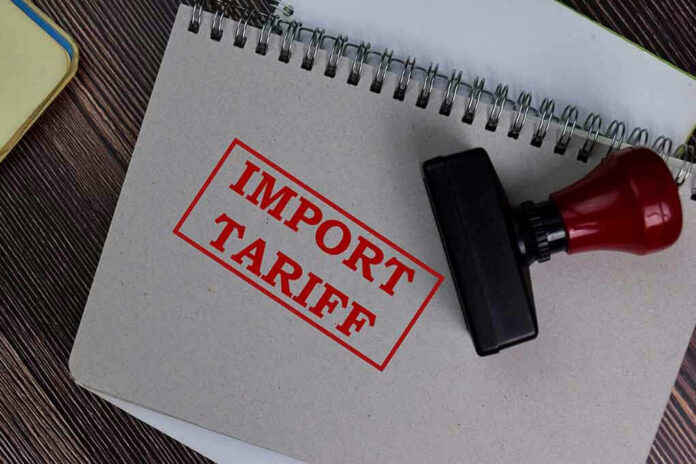
A new 25% tariff on countries trading with Iran aims to pressure Tehran amid escalating protests.
Story Highlights
- President Trump announces immediate 25% tariff on nations trading with Iran.
- The move comes as Iran faces nationwide protests with over 646 reported deaths.
- Trump’s action targets global trade partners like China and Russia.
- Potential for increased tensions and economic repercussions on US and global markets.
Trump’s Tariff: A Strategic Move Amid Iran’s Turmoil
On January 12, 2026, President Donald Trump announced a bold new policy imposing a 25% tariff on any country conducting business with Iran. This decision, made public via Trump’s Truth Social account, is a direct response to the escalating protests in Iran. These protests, driven by the collapse of the rial and widespread economic dissatisfaction, have resulted in over 646 deaths and more than 10,600 detentions, as reported by the Human Rights Activists News Agency. Trump’s strategy is to apply economic pressure on Iran’s trade partners, including major players like China and Russia, in a bid to influence the Iranian regime’s actions.
The timing of this tariff announcement aligns with ongoing unrest in Iran, where the government struggles to maintain control amid nationwide demonstrations. Protesters have been challenging Supreme Leader Ayatollah Ali Khamenei’s authority since late December 2025, with the situation intensifying as pro-regime rallies chant anti-American slogans. The Iranian government has responded by blocking communication channels, further fueling unrest. Trump’s decision to target countries trading with Iran underscores his administration’s commitment to supporting human rights while maintaining a strong stance against Tehran’s government, echoing his first-term “maximum pressure” policy.
Global Reactions and Economic Implications
The immediate effect of this policy is the disruption of trade for countries like Brazil, Turkey, and the UAE, who are significant trading partners with Iran. This tariff not only threatens their export economies but also risks inflating prices for US consumers. Trump’s administration has confirmed that military options remain “on the table,” as stated by White House Press Secretary Karoline Leavitt. This dual approach of economic and military pressure is designed to force Iran into negotiations or concessions, though it also risks escalating into a broader conflict. The response from Iran has been mixed, with their Foreign Minister Abbas Araghchi asserting control over the protests while remaining open to dialogue.
Economically, the ramifications of this tariff could extend beyond immediate trade disruptions. The potential for a full-blown tariff war looms if affected countries retaliate, which could lead to significant shifts in global supply chains. Historically, such tariffs have led to increased prices for imported goods in the US, affecting both businesses and consumers. Politically, this move may strain relationships with key allies, as the US’s aggressive stance could be perceived as overreach, complicating diplomatic relations and alliance structures, such as those within NATO.
Future Outlook and Strategic Considerations
In the short term, the tariff’s immediate impact will be closely monitored by both economic and political analysts. The potential for heightened tensions between the US and Iran, along with its trade partners, is significant. Long-term implications could include either a military escalation or a strategic retreat by Iran, leading to potential concessions. The global energy sector, heavily reliant on Iranian oil through these trading partners, could face significant disruptions, mirroring previous tariff expansions that risked inflation. As the situation develops, the world watches closely to see if this aggressive policy will yield the desired diplomatic outcomes or further entrench existing hostilities.
Ultimately, Trump’s tariff is not just a trade policy but a strategic maneuver aimed at reshaping geopolitical dynamics. The administration’s readiness to combine economic sanctions with the threat of military force marks a significant departure from previous diplomatic norms, highlighting a willingness to leverage America’s economic power to pursue broader foreign policy goals.
Sources:
Trump Announces New Tariff on Countries Trading with Iran as Number Killed in Protests Rises