

Restaurants are not reinventing dining for the Ozempic era so much as accelerating a long-running shift toward portion control and protein-forward meals—only now the demand shock from GLP-1 users is large enough to force visible menu engineering at scale.
At a Glance
- Major chains have rolled out “GLP-1-friendly” or lighter-portion menus, often remixing existing items into smaller, higher-protein, lower-sugar formats.
- The mechanism is straightforward: GLP-1 drugs curb appetite and slow digestion, pushing diners toward fewer bites, fewer sides, and less alcohol.
- Spending data show meaningfully lower quick-service outlays among GLP-1 households, pressuring restaurants to protect check averages with design, not upsell.
- Most adaptations are incremental—portion size, pricing ladders, and labeling—rather than wholesale kitchen overhauls.
The operational problem restaurants are solving
GLP-1 medications reduce hunger and increase satiety; users arrive at the table with a smaller appetite and often a narrower tolerance for sugar and fat. That physiological leverage changes what sells: a high-margin dessert, a second cocktail, or an extra side now loses out to one composed plate with adequate protein and fiber. Chains have begun to codify the new demand curve. Smoothie King introduced a GLP-1 support lineup emphasizing protein, fiber, and no added sugar—an overt signal that this customer exists and can be served without violating macronutrient guardrails. Olive Garden added a Lighter Portions section that shrinks classics and pulls the price down with the portion—another tacit acknowledgment that value in 2026 is not measured only in abundance.
Fast casual brands are following the same playbook. ABC News reported Chipotle’s high-protein builds marketed explicitly as “GLP-1-friendly,” and Shake Shack’s “Good Fit” menu that surfaces bunless and protein-centric configurations already latent in the kitchen’s capabilities. These menus are not culinary novelties; they are packaging and positioning to meet a changed appetite. In independent dining, Cuba Libre’s “GLP-Wonderful” menu cut a near-1,000-calorie pollo asado to roughly 400, demonstrating how portion architecture, not exotic ingredients, delivers compatibility for this cohort.
What “GLP-1-friendly” really means in menu engineering
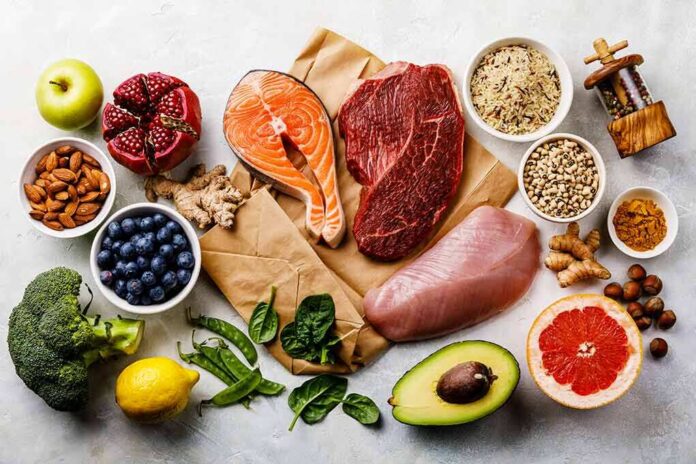
In menu development terms, the GLP-1-friendly construct is less a cuisine than a constraints set: adequate protein to preserve lean mass; fiber to support satiety; low added sugar; controlled portion size to avoid waste and discomfort. These are easy constraints for line kitchens to meet because they map to options already on the line—double-protein bowls, lettuce wraps, half-portion pastas, and zero-added-sugar smoothies. That is why so many GLP-1-facing offerings are repackages rather than reformulations: the least disruptive path is to curate and label what the operation can already execute quickly and consistently. Clinton Hall’s mini meal—petite burger, a few fries, a small beer at a low price point—illustrates the point in a single bundle: right-sized intake, right-sized ticket.
The economic logic tracks the physiology. If users leave food on the plate or skip courses, waste and check averages both rise as problems. Smaller portions reduce waste and price resistance; protein-forward positioning protects perceived value at fewer calories. It is not a niche carveout: national reporting documents a pattern of smaller portions and protein emphasis across multiple chains, from Chipotle to Smoothie King, with Olive Garden formalizing the downsized tier for core entrees.
Demand shock, in data not anecdotes
The story is not only visible on menus; it shows up in spending panels. PwC’s analysis found quick-service spending per GLP-1 household down about 8.7% after 6–8 months, with categories like pizza and chicken hit hardest. Consulting and corporate research echo directionally similar figures, describing a measurable drag on restaurant demand as adoption grows. Put bluntly: less hunger equals fewer eating occasions and smaller orders, and chains that do nothing will absorb the revenue loss in check size. That is why a “lighter portions” ladder is not a feel-good add-on; it is a margin-preservation tool that meets diners where their appetite has moved.
Mechanistically, the appetite shift comes straight from the drugs’ action—GLP-1 agonists slow gastric emptying and mute hunger signals, extending fullness between meals. In practice, that suppresses grazing and trims the edges off indulgent categories: sugary beverages, desserts, and large-format fried items. The spending picture is uneven by format—special-occasion venues can ride on experience while quick service is exposed—but the direction of travel is consistent across studies and industry commentary.
Marketing reality: remix more than reinvent
There is an important caveat about substance versus label. Some items flagged as GLP-1-friendly are indeed existing SKUs assembled differently or renamed; in several chain cases, the nutritional specs change less than the framing. That does not negate the trend; it explains how the industry translates medical behavior change into deployable product. Chains optimize for speed, predictability, and food cost. Curating a protein-forward salad with existing chicken and greens, or calling out “no added sugar” on a smoothie that already qualified, is precisely how national systems adapt without retooling prep or supplier contracts.
The better lens is to ask whether the bundle solves the diner’s constraints at the moment of choice. A half-portion pasta at a lower price, a bowl that hits 40-plus grams of protein without a bun, or a smoothie that pairs fiber with no added sugar—all satisfy a user’s goals and keep them in the brand’s four walls. Where the adaptations are modest, they are still commercially rational experiments; where they are material—like Cuba Libre’s calorie cuts or Olive Garden’s formal downsizing—they reset the baseline for what value looks like in chain dining.
Independent restaurants and the portion reset
Outside the big systems, operators are experimenting with the same levers: smaller plates, explicit half portions, and menu sections built for lighter intake. Philadelphia restaurants, for example, have tested smaller formats and added reduced-size options permanently once they saw consistent demand—an operational hedge that also broadens price access. The drivers are not only GLP-1 users but also wellness-oriented diners who now see “enough” as better than “more.” Category veterans will recognize this cycle from earlier eras—“light” menus, calorie counts on chain boards, half-desserts—but the scope of pharmacologically driven appetite suppression makes this pivot structurally different in magnitude.
America’s Restaurants Face a Dilemma: How to Sell Food in the GLP-1 Era. Fewer orders and higher costs are squeezing restaurants big and small as people on the weight-loss drugs eat and drink less when dining out. https://t.co/yReVP1dcYx
— Tom Vierhile (@TomVierhile) October 3, 2026
What lasts from the GLP-1 era
Three elements are durable. First, portion ladders will become standard, not special: half, lighter, and shareable builds that compress waste and let diners calibrate intake without friction. Second, protein and fiber will remain prominent signals on menus and merchandising; they map to both GLP-1 physiology and mainstream wellness. Third, price architecture will evolve—smaller base portions at lower entry prices, with add-protein and sides restoring margin for those who want them. None of this requires kitchens to reinvent recipes; it requires discipline in menu design, SKU curation, and training servers to normalize lighter choices without stigma.
If you run a restaurant, the operational checklist is clear. Audit your top sellers for right-size variants that keep flavor identity with 25–40% fewer calories. Build at least one high-protein, high-fiber plate per daypart that uses your existing mise en place. Calibrate beverage menus with half-pours and zero-added-sugar options that still feel celebratory. And align pricing so reduced portions feel like value, not penalty. The chains have telegraphed the play; independents can execute it with more charm.
Sources:
nytimes.com, nbcnews.com, abcnews.com, denverpost.com, tastingtable.com
© conservativefreepress.com 2026. All rights reserved.