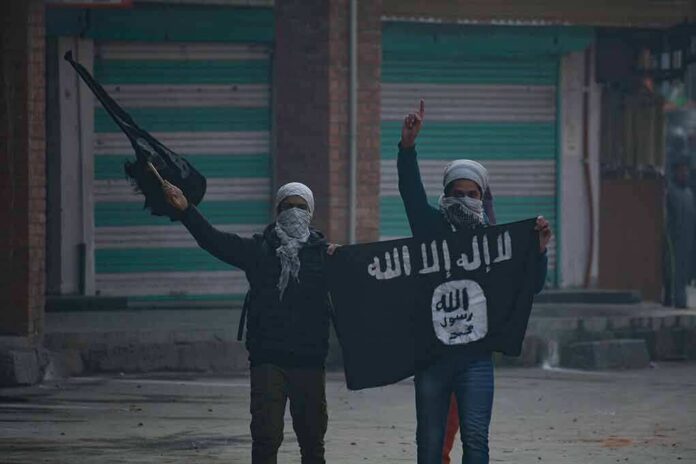
Ethiopia’s recent bold move against ISIS operatives within its borders could reshape the region’s security landscape.
At a Glance
- Ethiopian authorities arrested 82 suspected ISIS affiliates.
- The suspects were reportedly trained in Somalia’s Puntland region.
- This operation marks the first significant ISIS crackdown in Ethiopia.
- Authorities claim to have disrupted a major terrorist plot.
Ethiopia’s Unprecedented Action Against ISIS
Ethiopia’s National Intelligence and Security Service (NISS) recently announced the arrest of 82 individuals suspected of ISIS affiliation across multiple regions, including Addis Ababa, Oromia, Amhara, Harari, Central Ethiopia, and the Somali regional state. This operation is described as the most extensive counterterrorism action against ISIS in Ethiopia to date. It signifies a critical development, given that ISIS activity had previously been largely confined to Somalia.
The suspects were allegedly trained in Somalia’s Puntland region under the command of Abdulqadir Mumin, the leader of ISIS Somalia. They were reportedly recruited for a “terror mission” and were in the process of establishing sleeper cells across Ethiopia. The NISS, working closely with federal police and regional security forces, claims to have thwarted a significant terrorist plot through these coordinated raids.
The Broader Impact on Regional Security
This operation immediately disrupts a planned terrorist operation in Ethiopia, increasing security presence and vigilance in major cities and border regions. The arrests also heighten public awareness and concern about ISIS infiltration, underscoring the group’s expanding regional ambitions. Ethiopia, which had not previously reported large-scale ISIS activity within its borders, now faces a new threat that could strain its security and intelligence resources.
The operation could lead to further ISIS attempts to establish a foothold in Ethiopia. This potential escalation necessitates increased counterterrorism cooperation between Ethiopia, Somalia, and international partners. The Horn of Africa must remain vigilant against the risk of ISIS expanding beyond Somalia, something analysts see as a wake-up call for the region.
Ethiopia’s Strategic Response
Ethiopia’s crackdown represents a significant escalation in its counterterrorism strategy. The arrests demonstrate Ethiopia’s growing intelligence capabilities and willingness to confront emerging threats head-on. However, the success of this operation also raises concerns about potential retaliatory attacks or ISIS operatives going further underground.
Security experts emphasize the importance of regional cooperation, given the cross-border nature of militant recruitment and training. The reliance on Puntland as a training ground underscores the challenges of governance and security in Somalia’s semi-autonomous regions. Ethiopia’s action could lead to increased demand for intelligence, surveillance, and security services, potentially attracting international support or funding for counterterrorism efforts.