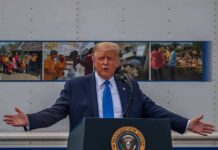

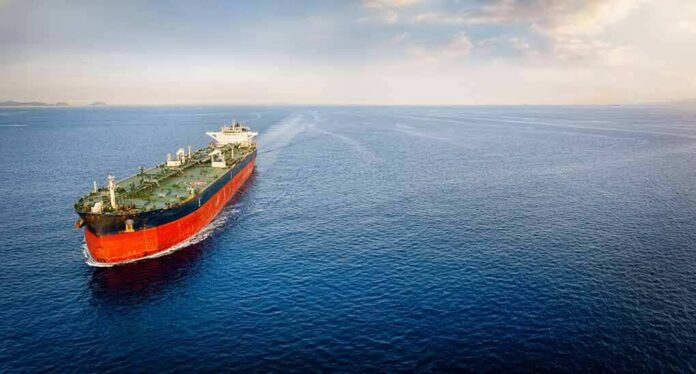
President Trump said Iran is “completely collapsing” as Washington tightens a maritime squeeze and financial pressure around the Strait of Hormuz.
Story Highlights
- Trump says Hormuz is open and cleared of mines while Iran claims it remains shut.
- Iran ties any reopening to sweeping U.S. concessions, signaling deep strain.
- Analysts say Tehran’s economy is battered but still functioning under rationing.
- Congressional research warns a long Hormuz shock could rattle global oil markets.
Trump’s Message and the Strait of Hormuz Standoff
President Trump told reporters there are no talks with Iran and said the Strait of Hormuz is open and operating. He said water mines have been cleared, challenging Tehran’s claim that traffic remains shut. His statement came amid competing assertions over who controls the waterway. Iran-linked voices have said the channel is still blocked or restricted, creating confusion and risk for shippers and insurers who must judge the threat in real time.
Iran has pushed a list of demands before it will fully reopen the strait. Reports describe conditions that include lifting sanctions, easing the naval squeeze, and other concessions. These terms show Iran feels the pressure and wants relief at sea and in its economy. Washington has not agreed to those terms. The standoff keeps markets on edge and keeps leverage with the United States and partners who are policing maritime lanes and tracking illicit oil flows.
How Much Is Iran Actually Buckling?
Independent reporting says Iran’s system is under heavy strain, but not broken. Economists describe a “survival economy” marked by rationing, restricted foreign currency, and cuts to investment while the state protects core imports and services. That is not a healthy economy, but it is still running. This picture supports Trump’s leverage claim while stopping short of a full collapse verdict from neutral observers on the ground and in markets.
United States intelligence assessments earlier this year said Iran’s leadership remained intact and not at risk of sudden collapse. Those assessments align with the idea that sanctions and maritime pressure can grind down revenue and options without toppling the regime overnight. They also suggest that pressure campaigns work over time, especially when paired with strict enforcement against oil sales and front companies.
Energy Stakes for American Families and Allies
The Strait of Hormuz moves a large share of the world’s oil and gas. Congressional researchers warn that a long disruption could test emergency plans and push prices higher without a quick fix. Even when flows resume, markets may take months to normalize. That matters to every family that buys gas, heats a home, or pays for shipped goods. A clear and safe strait helps tame costs. A murky security picture invites spikes and supply fear.
This is why firm policy matters. Strong patrols, tight sanctions enforcement, and real consequences for attacks protect the free flow of commerce. They also deny cash to the Iranian regime and its proxies. Past soft approaches let oil sales rebound and filled hostile coffers. Today’s approach aims to reverse that trend. It seeks to pressure Tehran back to the table on terms that protect American interests, allies, and freedom of navigation.
Reality Check: Pressure Works, But Patience Is Required
Trump’s claim of “complete collapse” captures the scale of pressure, not a final outcome confirmed by neutral data. Public numbers and expert views point to severe damage and growing stress inside Iran’s economy, yet continued basic state functions. That tension is common in high-stakes sanctions fights. Collapse is rare; coercion through sustained pressure is more typical. The policy goal should be clear: keep Hormuz safe, keep costs down, and force behavior change without endless war.
Sources:
redstate.com, reuters.com, aljazeera.com, seattletimes.com
© conservativefreepress.com 2026. All rights reserved.